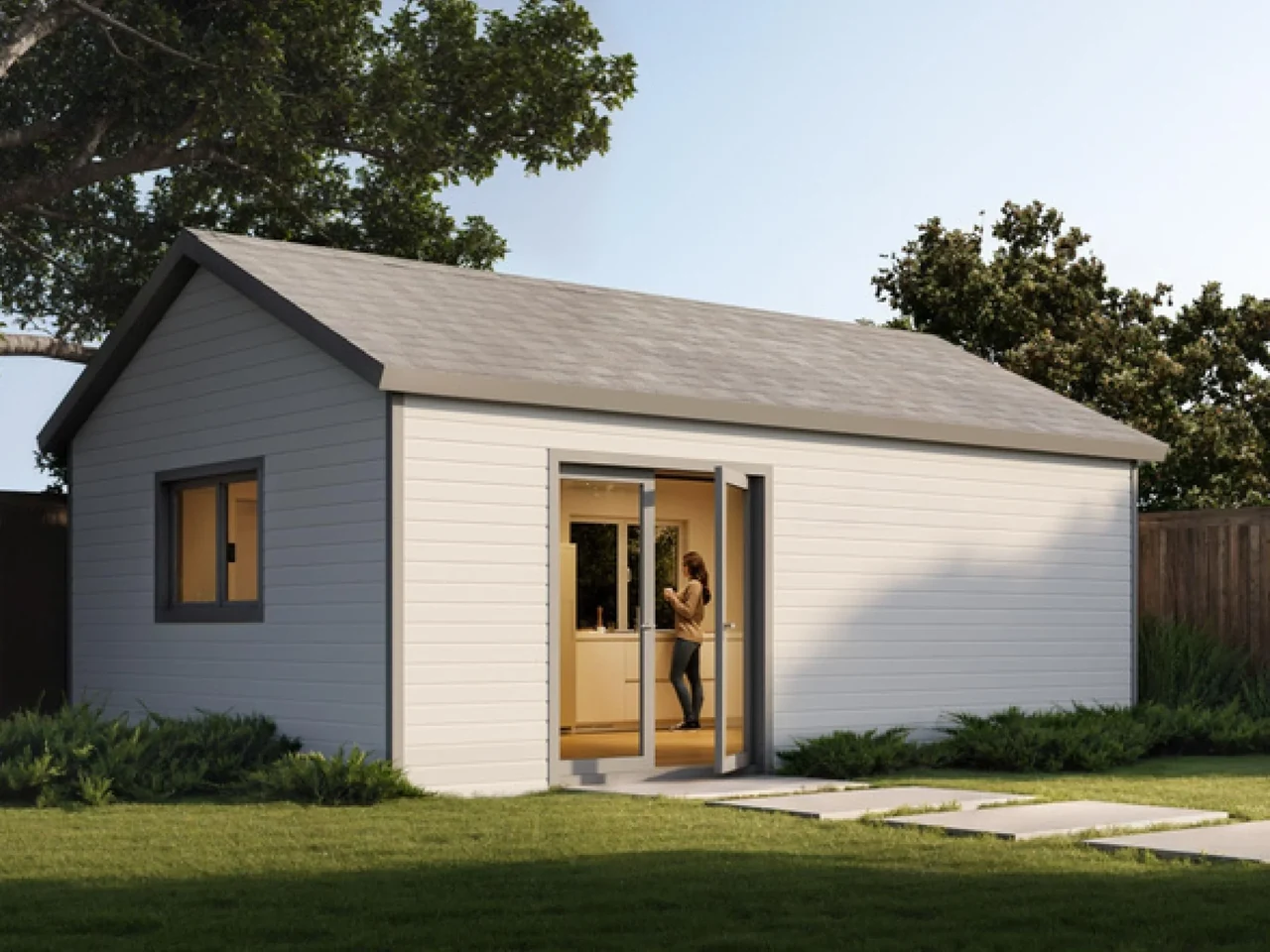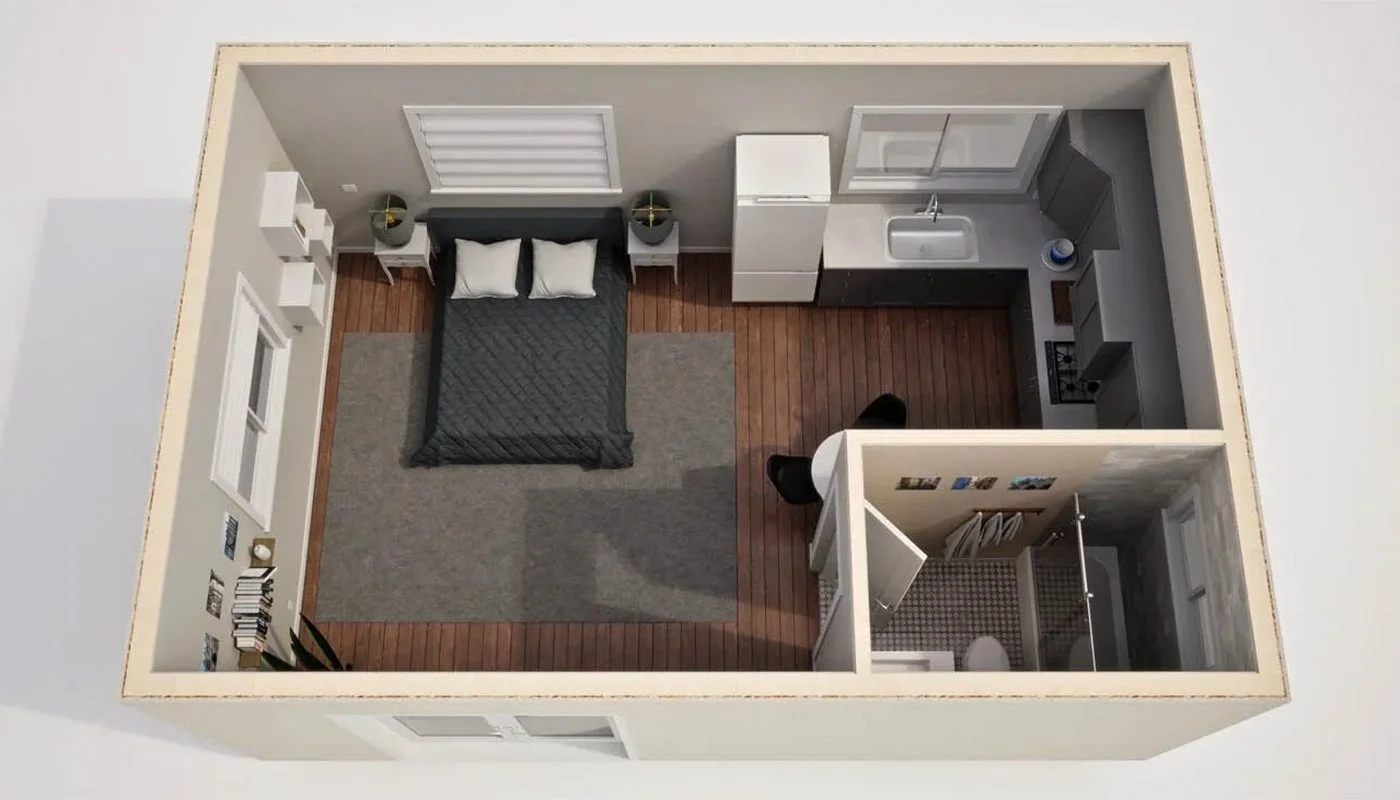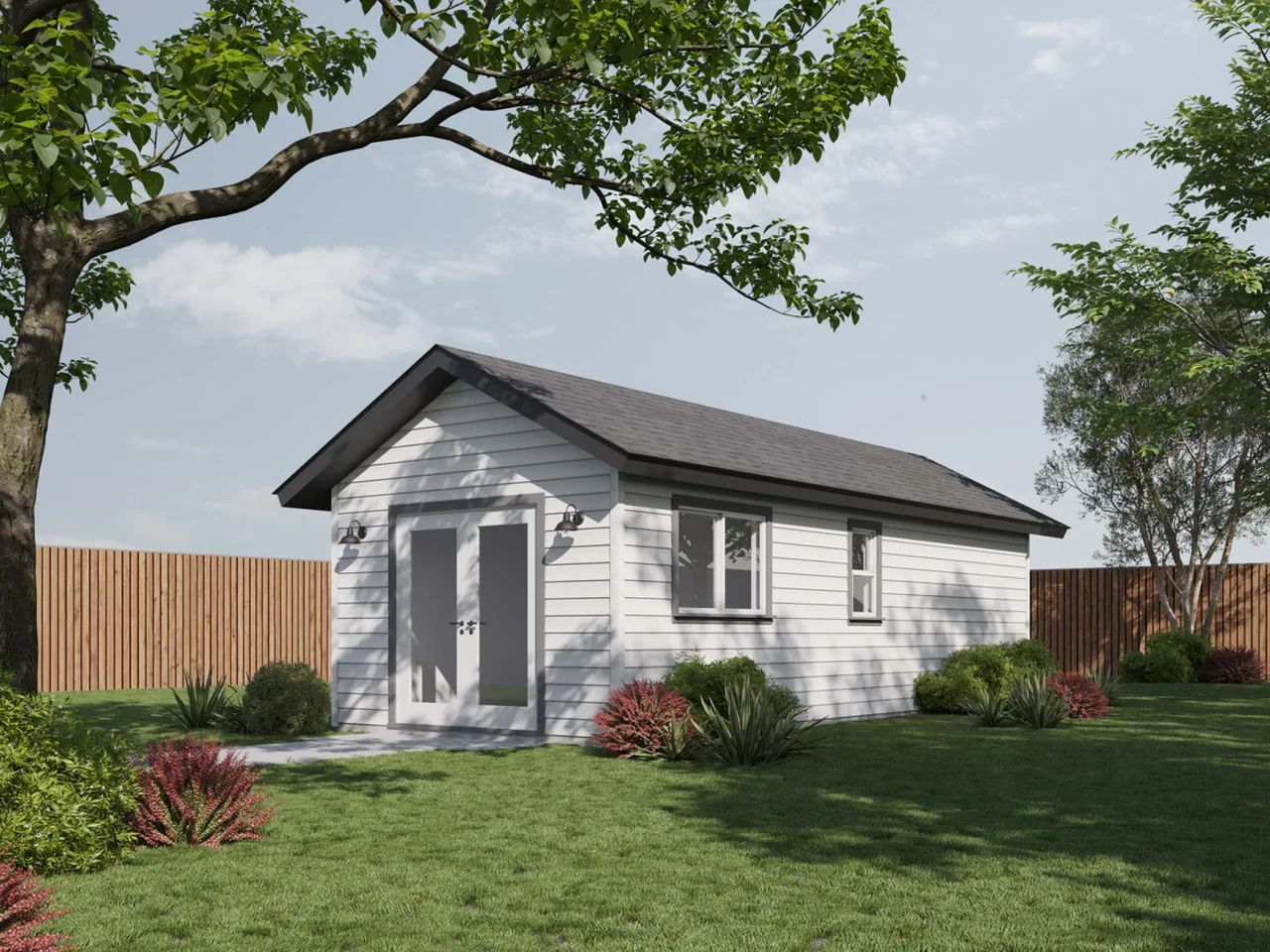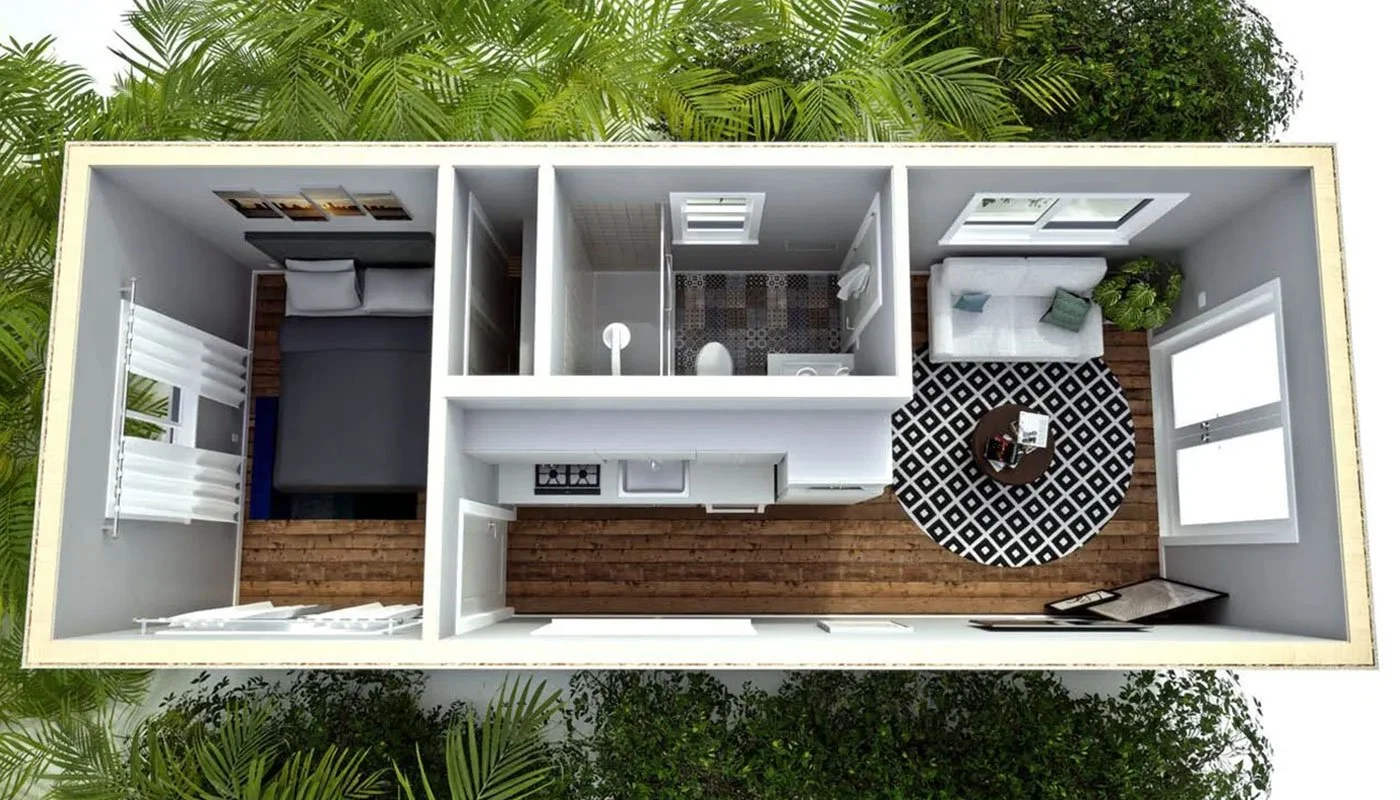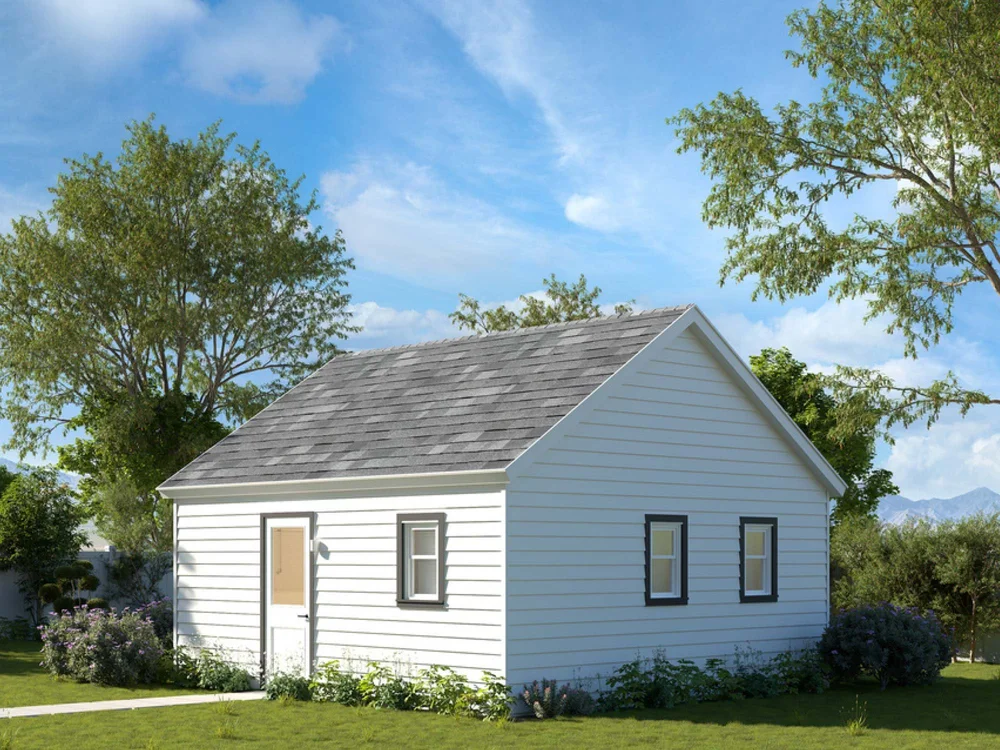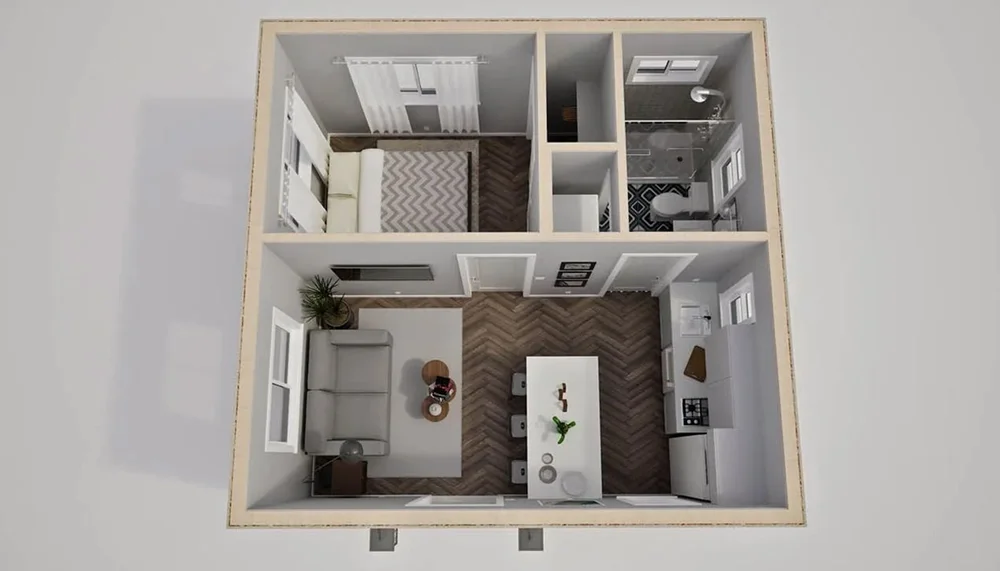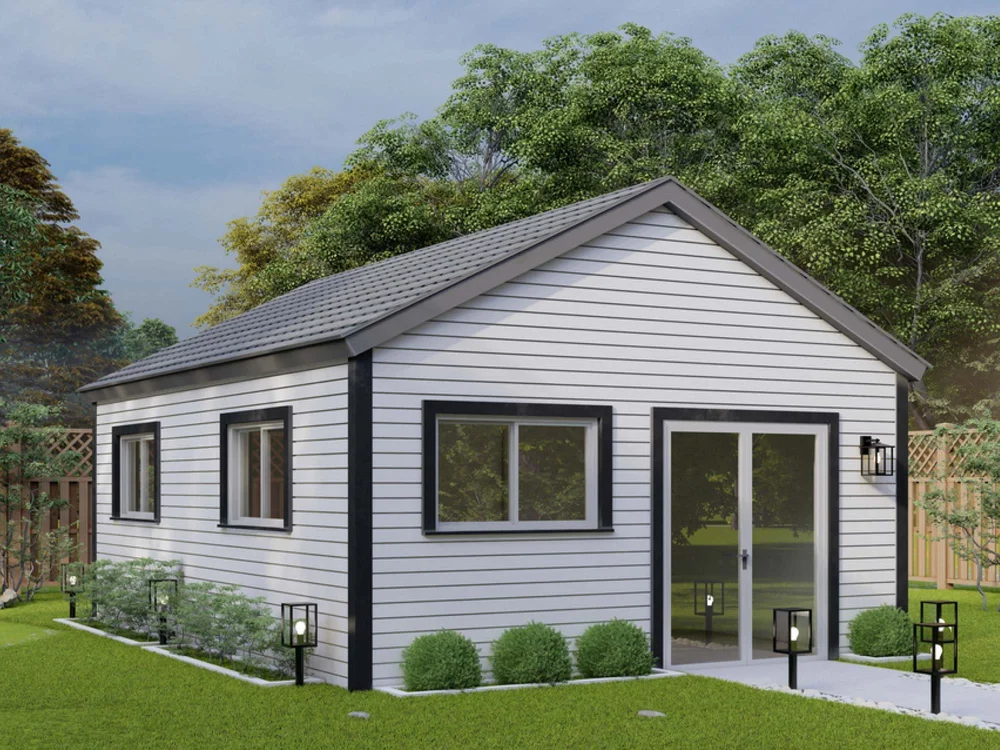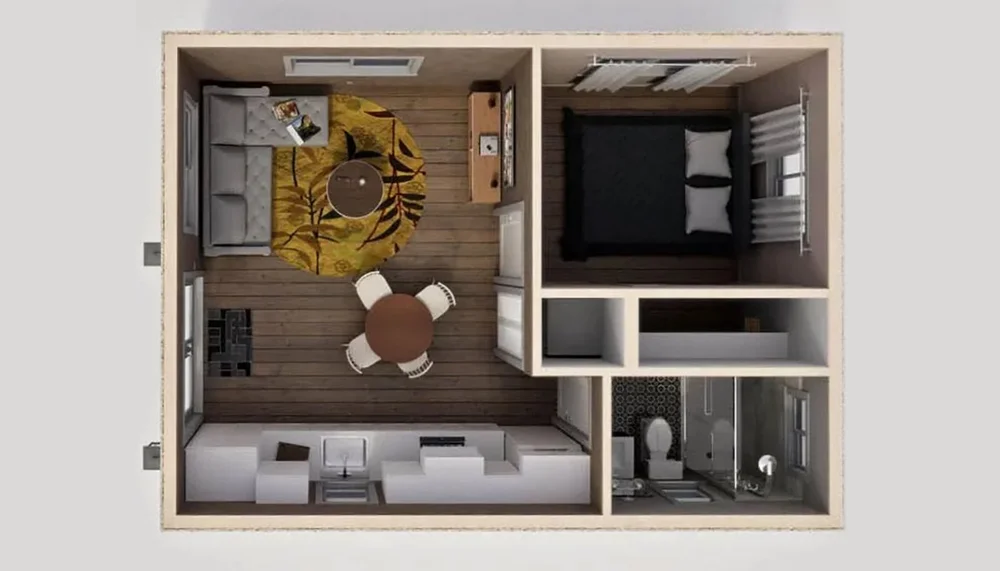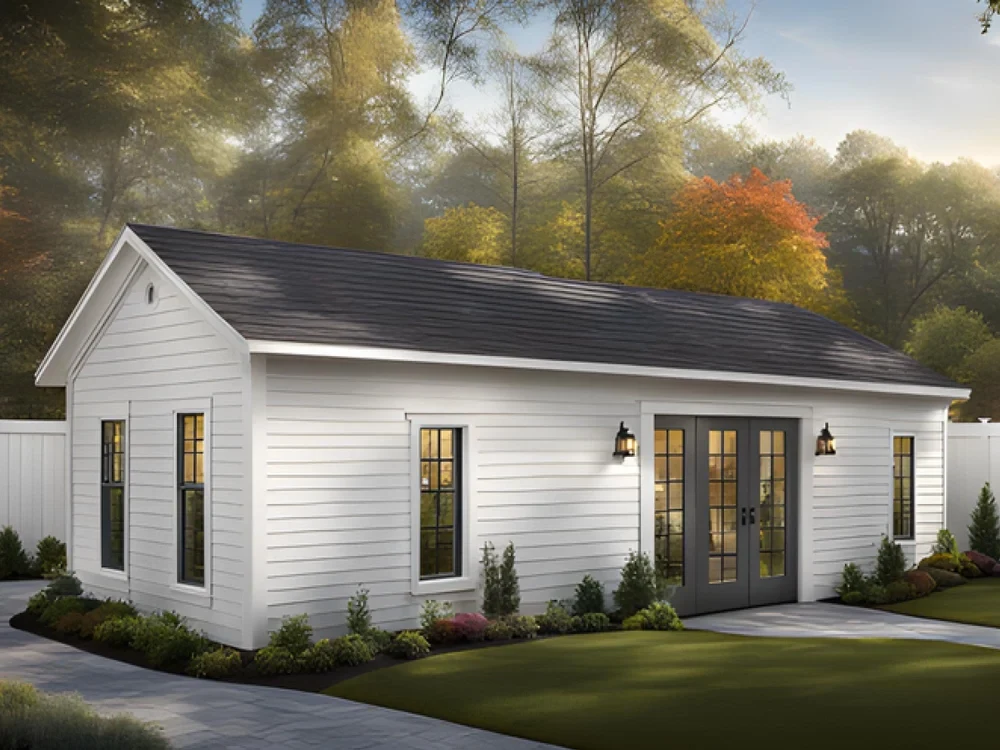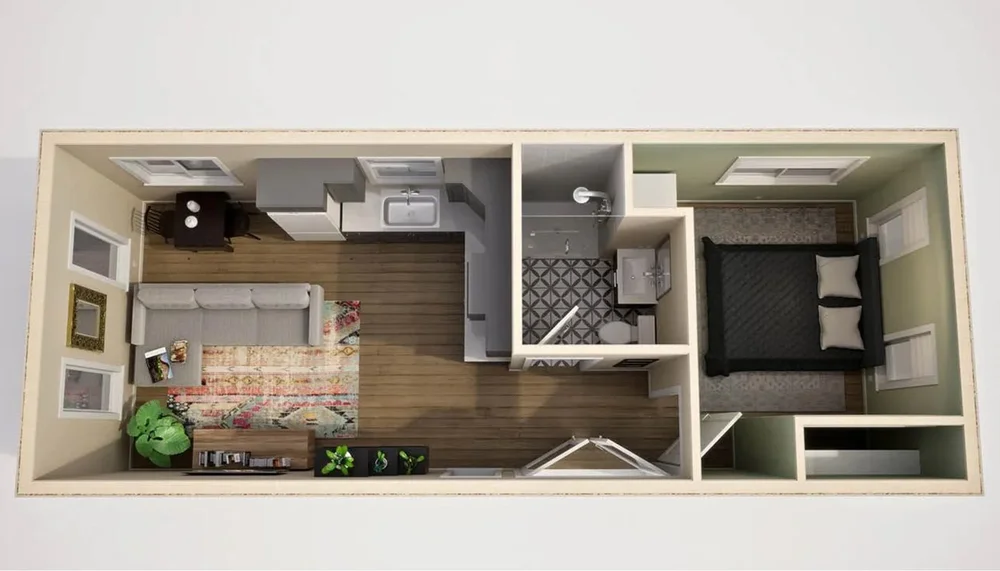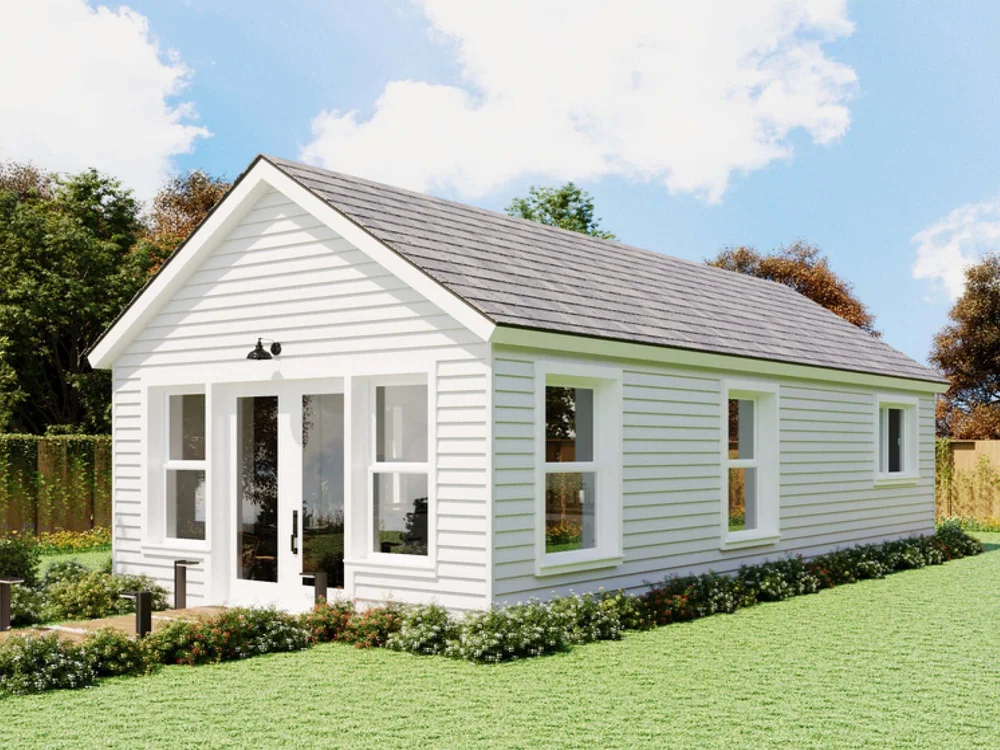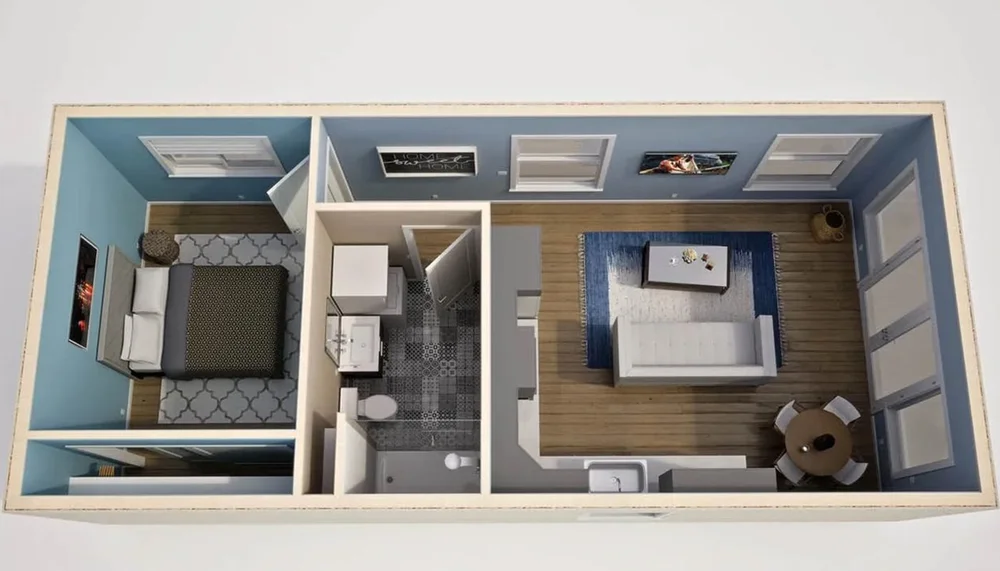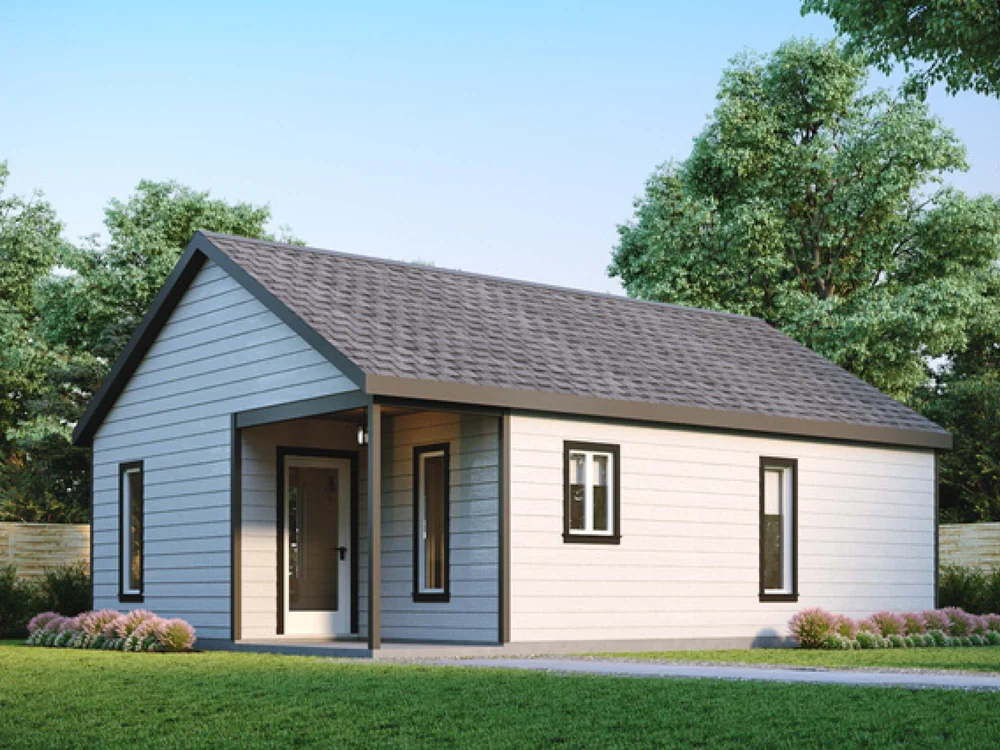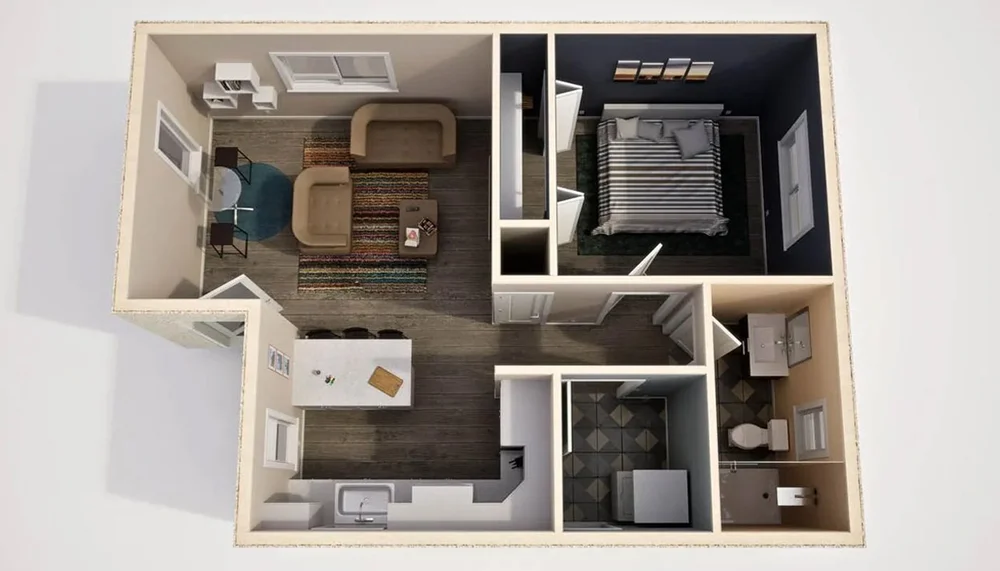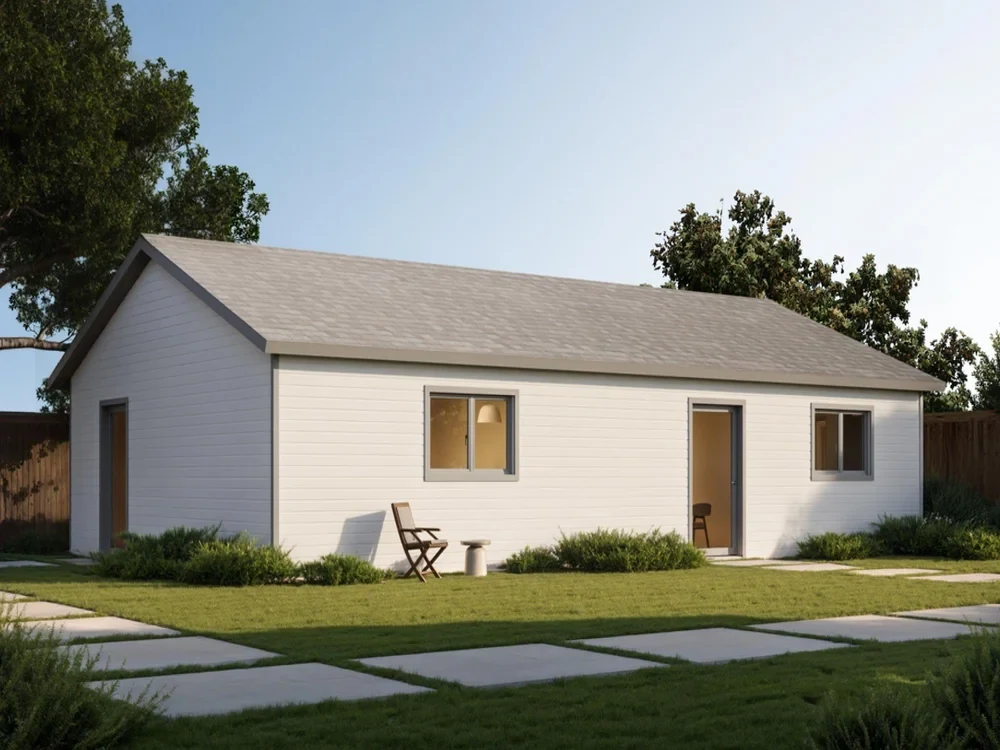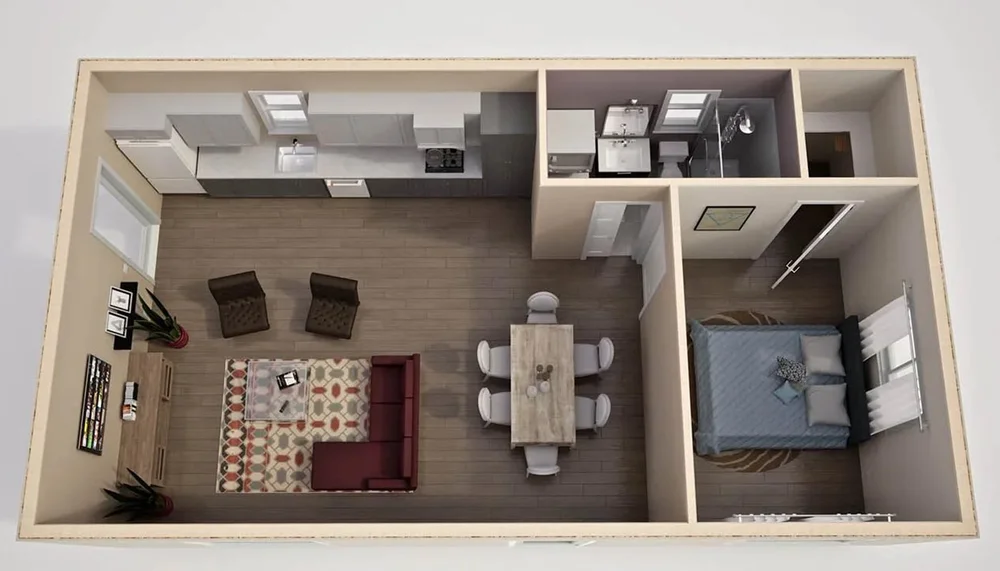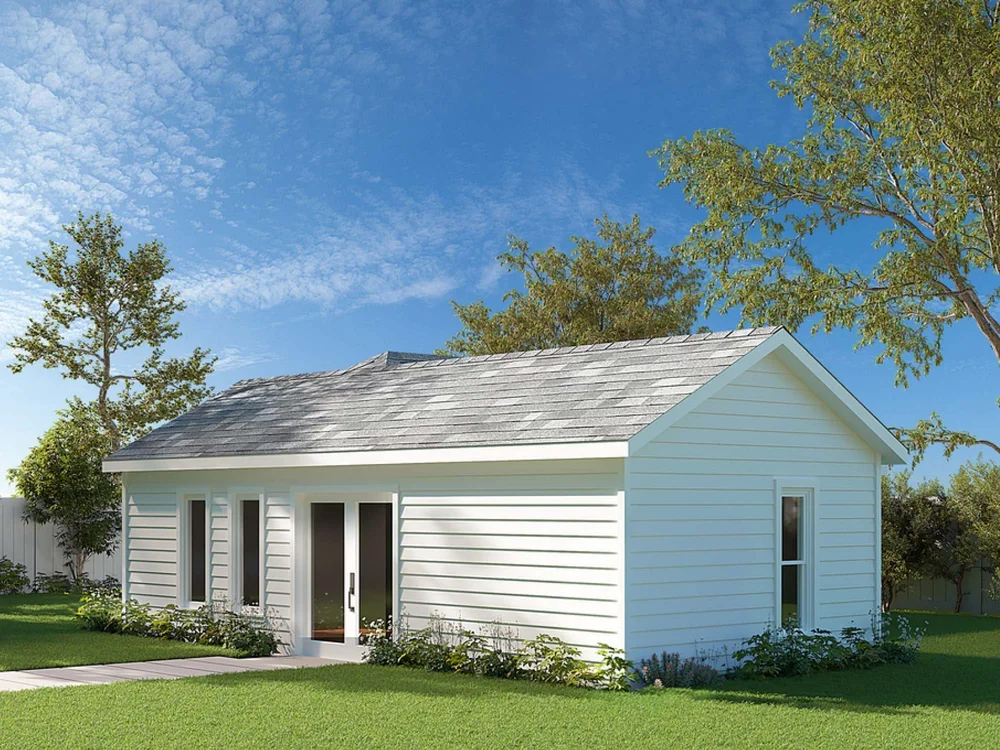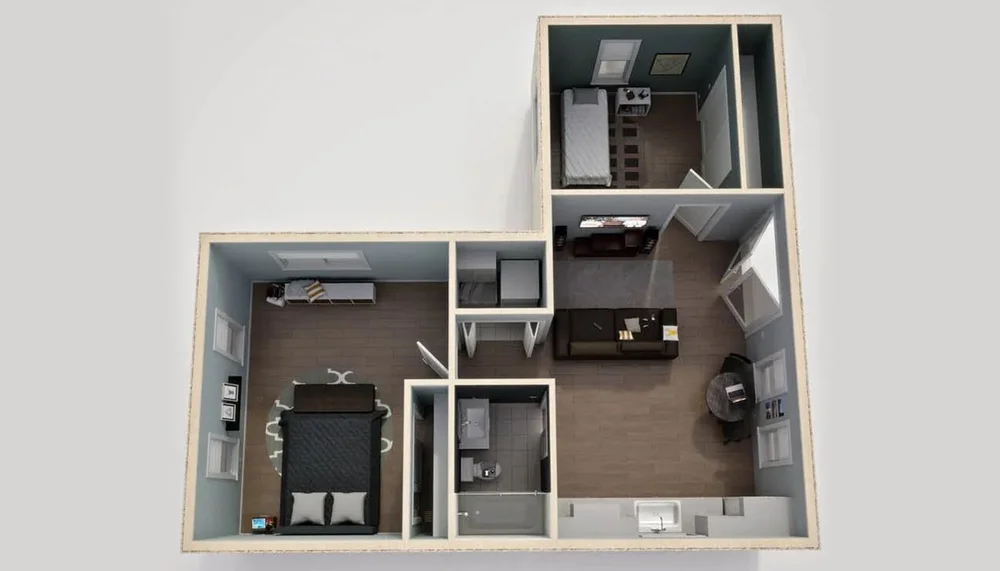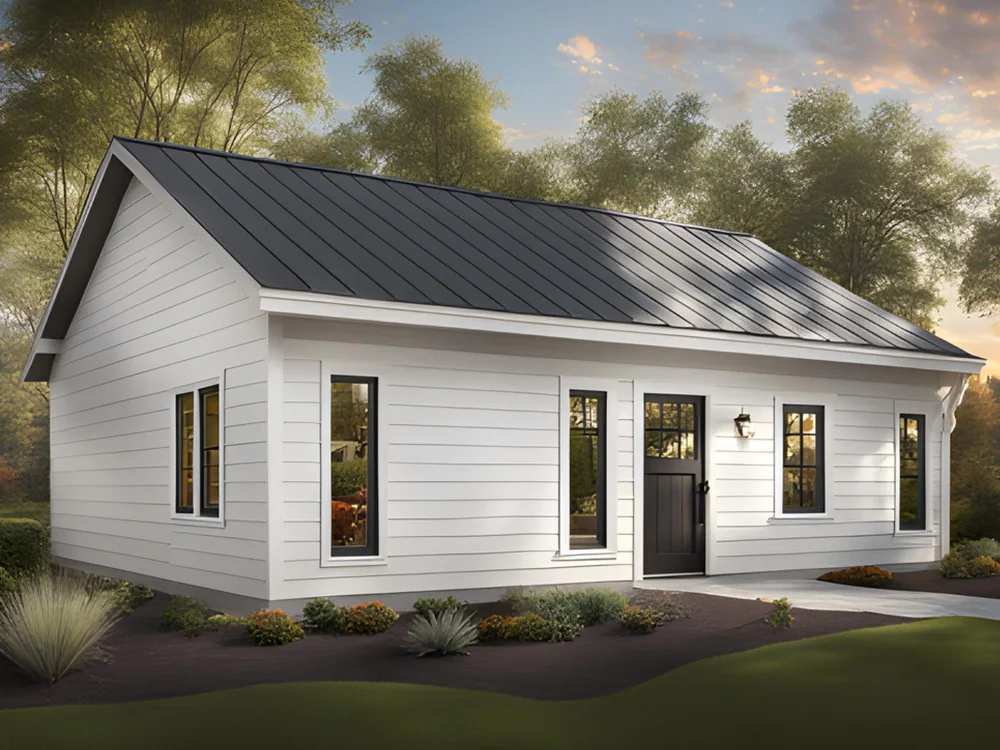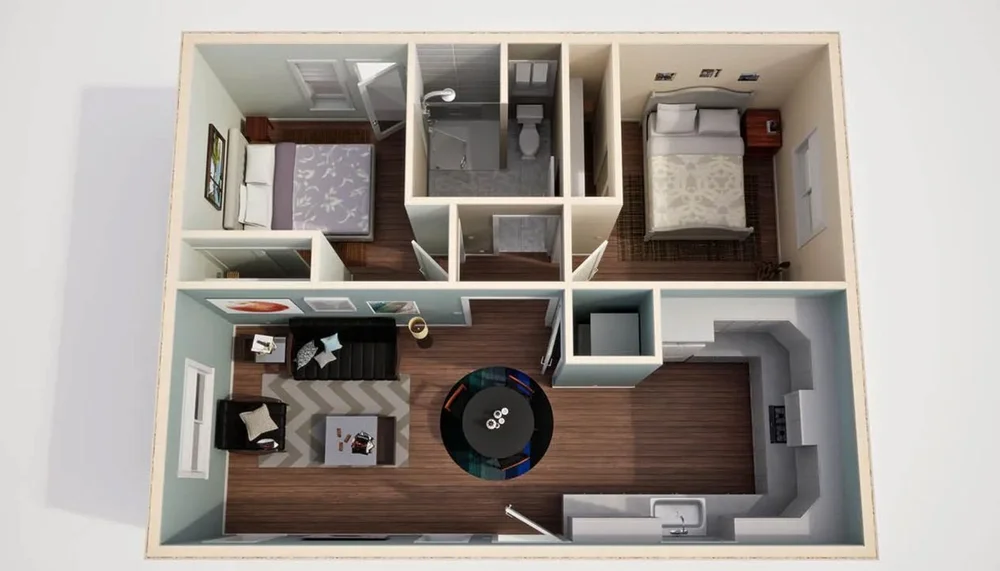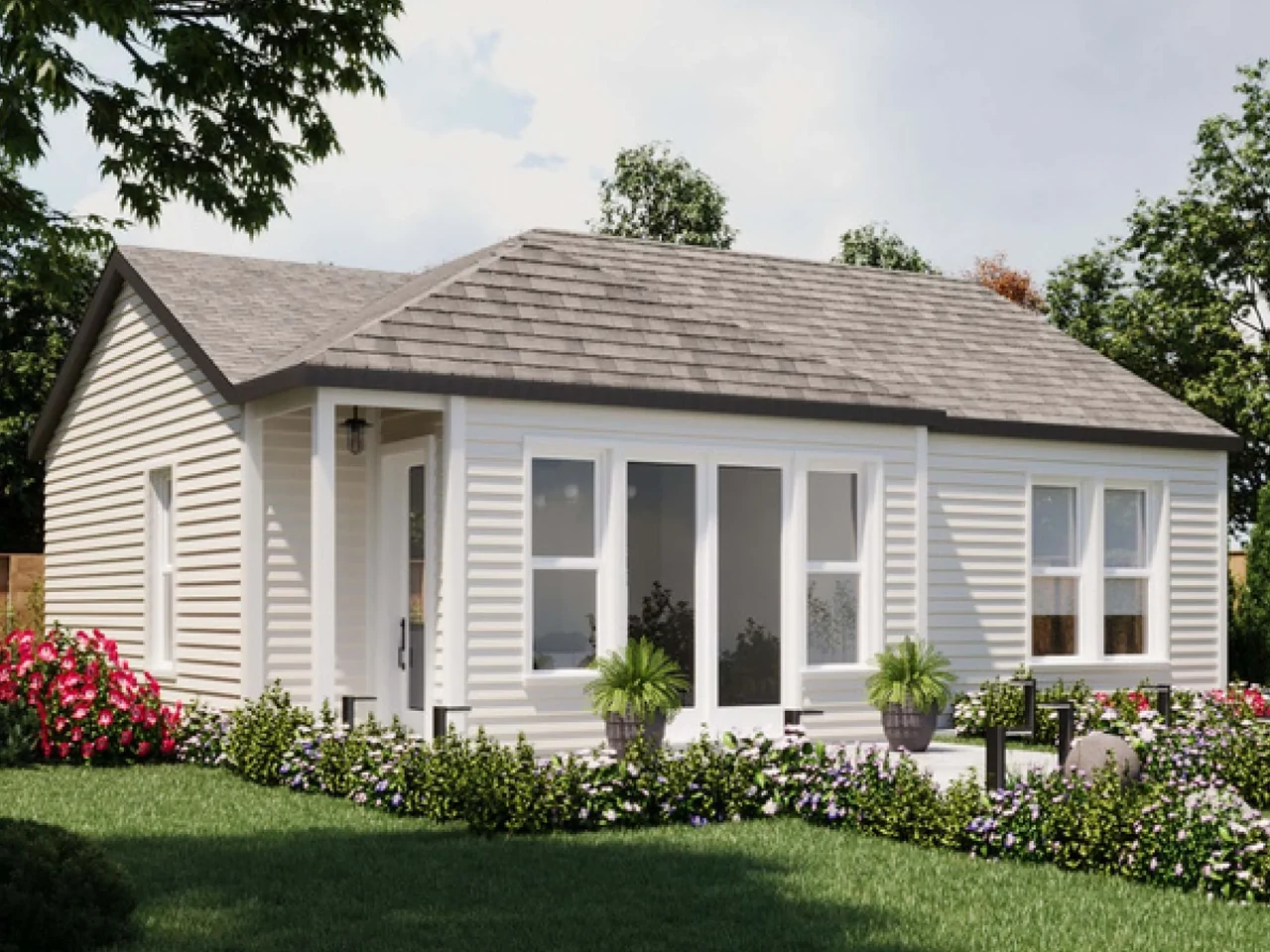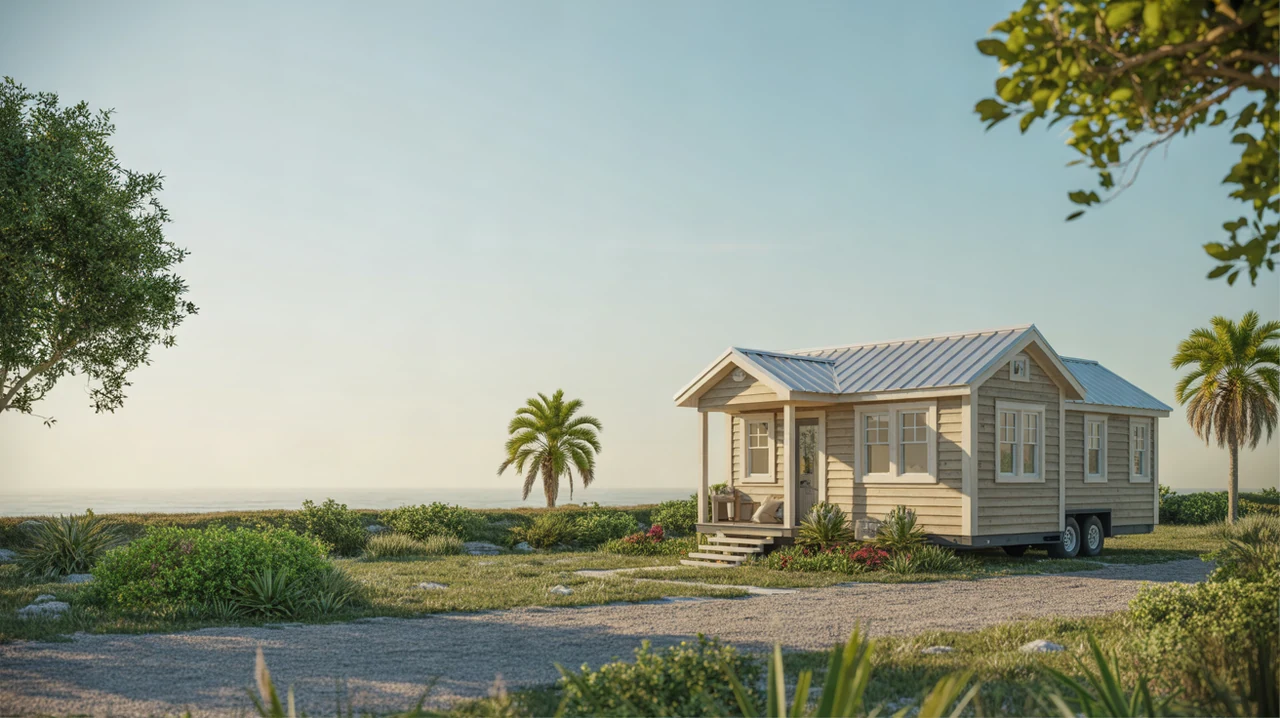
If you are shopping for tiny homes for sale in Daytona Beach, one of the first decisions you will face is whether to buy new or used. Both options can make sense here on the Florida coast, but the right choice depends on your budget, timeline, and comfort with repairs or customization.
This page walks through the main pros, cons, and price ranges of new vs used tiny homes, with extra notes for our local climate, humidity, and storm risks.
Quick comparison: new vs used tiny homes
| Factor | New tiny home | Used tiny home |
|---|---|---|
| Upfront price | Higher purchase price, more predictable costs | Lower price possible, but budget for hidden repairs |
| Condition | Brand new systems, no wear and tear | Varies widely; may have DIY work or deferred maintenance |
| Customization | Can choose layout, finishes, and features from the start | Limited to what exists unless you remodel |
| Warranties | Often includes builder and appliance warranties | Usually no warranty; appliances may be out of coverage |
| Inspection risk | Lower risk of major issues, especially with reputable builders | Higher risk of leaks, rot, electrical or trailer issues |
| Timeline | Build time can be months | Available immediately once the sale closes |
| Financing & insurance | Often easier if certified and built to standards | Possible, but lenders and insurers may be more cautious |
Typical pricing for new vs used tiny homes
Exact numbers vary by size, builder, and features. For more detail, see the dedicated guide on tiny home prices and cost breakdown. In general:
New tiny home price ranges
- Basic shell or unfinished unit: Lower price, but you handle interior build-out.
- Turnkey tiny home (most popular): Cost includes finished kitchen, bath, utilities, and built-ins.
- Premium or custom builds: Higher-end finishes, solar-ready systems, or hurricane-minded upgrades.
New tiny homes near Daytona Beach often add cost for coastal upgrades like metal roofing, better moisture barriers, and stronger anchoring points. These details matter in a hurricane-prone area and may save money on repairs later.
Used tiny home price ranges
Used pricing is more scattered. It depends on age, condition, whether it is on wheels or a foundation, and how it was maintained. Some owners also include land or a parked spot, which can significantly change the total price.
When evaluating a used price, always factor in:
- Repairs (roof, siding, trailer, plumbing, or electrical)
- Updates to meet current safety expectations
- Moving costs to your chosen Daytona Beach area location
Pros and cons of buying a new tiny home
Advantages of new builds
- Known construction quality: With a reputable builder, you can verify materials, fastening methods, and insulation. Learn more about vetting builders in how to choose a reputable tiny home builder.
- Warranty protection: Many new units include limited warranties on structure, systems, and appliances, which is reassuring in the first years of Florida weather.
- Designed for local conditions: You can ask for features that handle humidity, salt air, and storms, like upgraded fasteners, moisture-resistant siding, and strong tie-down points. See beach-friendly tiny home designs and materials for ideas.
- Easier financing and insurance: Lenders and insurers are more comfortable with certified, professionally built tiny homes. Our financing guide and insurance overview explain what to expect.
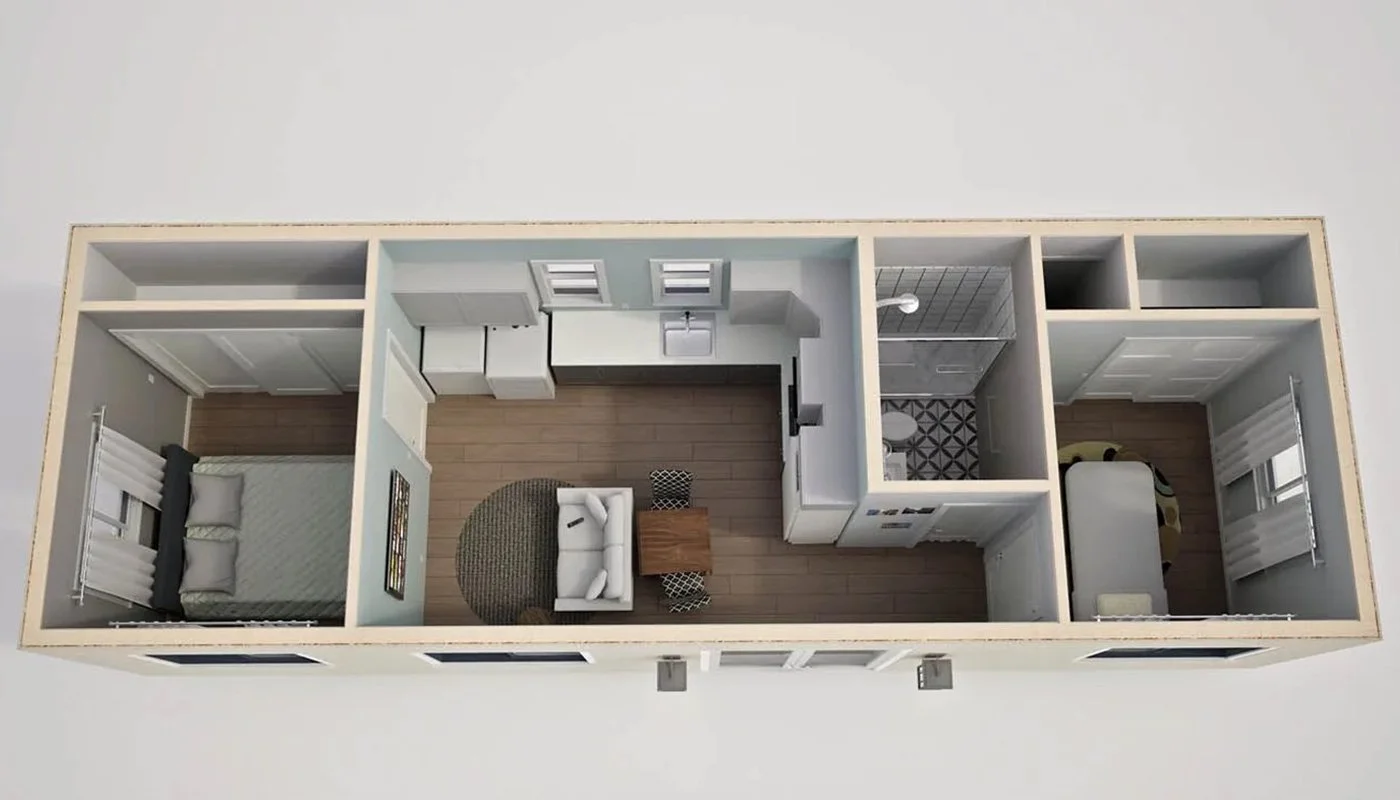
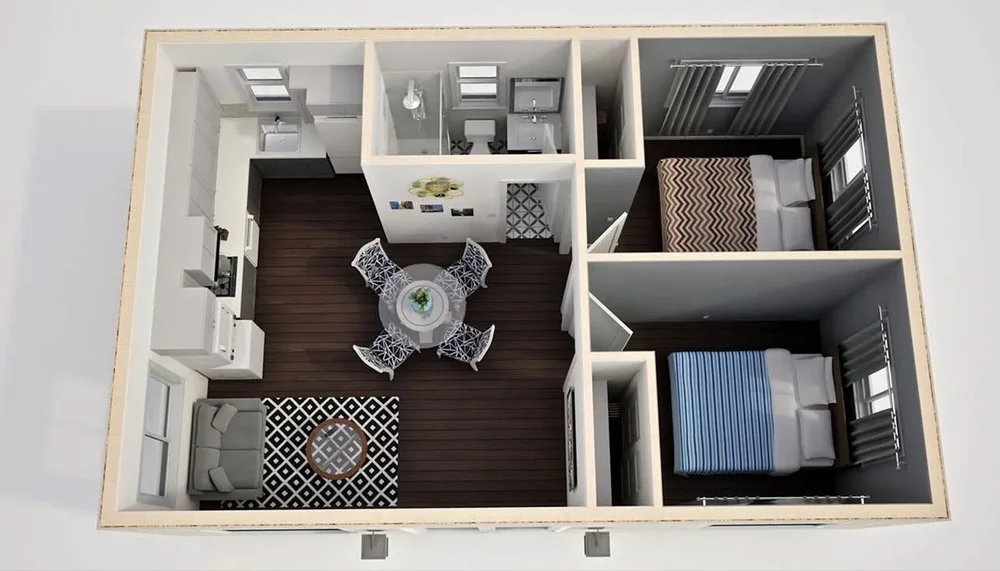
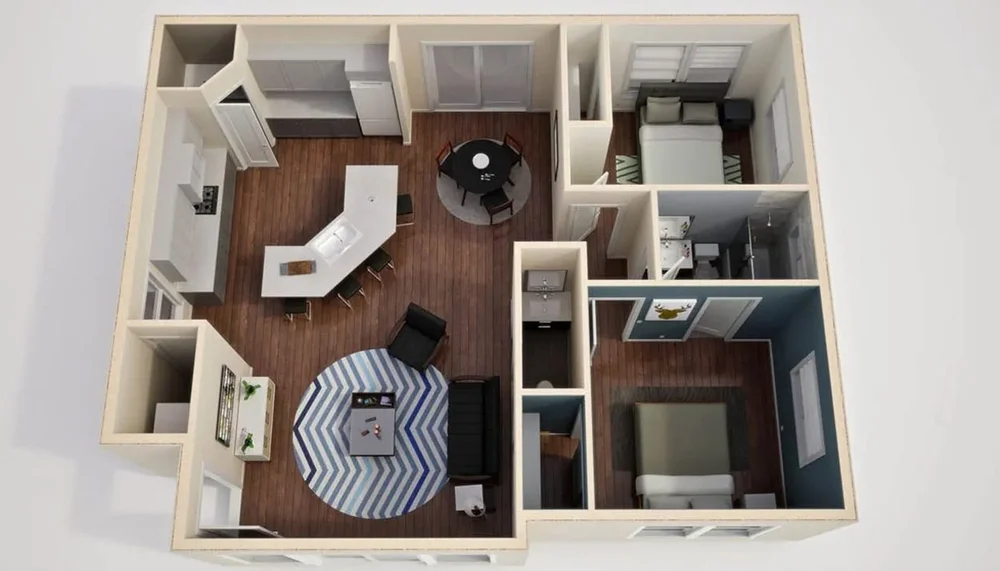
- Layout that fits your life: You can plan for pets, hobbies, remote work, or accessibility from day one using ideas from tiny home floor plans and layout ideas.
Drawbacks of new tiny homes
- Higher upfront cost: You pay a premium for new materials, professional labor, and warranties.
- Build time: You might wait several months before moving in, which may require temporary housing or storage. Our downsizing checklist can help you prepare during this period.
- Less negotiation room: Prices from established builders are often more fixed than seller-to-buyer used sales.
Pros and cons of buying a used tiny home
Advantages of used tiny homes
- Lower purchase price: Depreciation and wear can significantly reduce the cost compared to a new build, helping buyers who are also paying for land or a parking spot around Daytona Beach.
- Move-in sooner: Once you close, you can relocate the home and set it up while you finalize utilities and permits. For more on placement options, see tiny home communities and parking options.
- Existing upgrades included: Sellers may have already added decks, storage solutions, or off-grid equipment.
- Real-world tested design: If the home has already been lived in, you can ask the owner what works well and what they would change.
Drawbacks of used tiny homes
- Hidden issues: Water leaks, mold, soft spots in floors, rusted trailers, or overloaded electrical systems are more common in older builds, especially near the coast.
- Limited documentation: You may not receive full construction plans, permits, or clear records of who did the work.
- Fewer warranties: Most builder warranties do not transfer, and appliances may be near the end of their coverage.
- Layout may not fit: Changing walls, plumbing, or window locations can quickly eat up any savings.
- Zoning and code surprises: Older or DIY projects might not align well with current Daytona Beach area rules. Review the basics in tiny home zoning, permits, and legal basics.
Daytona Beach considerations when choosing new vs used
Our coastal environment adds a few extra checkpoints to your decision.
Humidity, salt air, and storms
- Materials: Look for rot-resistant siding, moisture barriers, and corrosion-resistant hardware. This is easier to specify on a new build but extremely important to check on used homes.
- Roofing: Metal or high-quality shingles with proper fastening stand up better to coastal storms.
- Anchoring and safety: Whether new or used, plan ahead for tie-downs, skirting, and drainage. Our guide on tiny home safety: storms, flooding, and anchoring goes into detail.
Placement and communities
Used tiny homes sometimes come with an existing lot rental or community space. In Daytona Beach, this can be valuable if zoning is already sorted out. On the other hand, if you are ordering new, you can design your home to match a specific community’s size rules or design guidelines. Learn more in best tiny home communities and parking options.
Step-by-step: deciding between new and used
- Clarify your budget: Include purchase price, land or parking, permits, delivery, and initial setup work.
- Set your move-in timeline: If you need housing in weeks, used may be more practical. If you can wait, new opens more choices.
- List your must-have features: For example, pet space, a home office, or aging-in-place features (see accessible and aging-in-place tiny home features).
- Visit examples in person: Touring both new models and lived-in used homes can clarify what feels right. The tiny home tours and case studies page offers inspiration.
- Check local rules for your target location: Confirm zoning, minimum size, and whether the home will be on wheels or a foundation. Compare with tiny houses on wheels vs foundation.
- Get quotes and inspections: For new builds, collect detailed quotes; for used homes, hire a professional familiar with tiny homes and trailers and budget for fixes.
When you are ready to compare specific options or talk to builders, you can start exploring through the site’s Get Started resource.
FAQs: new vs used tiny homes near Daytona Beach
Is a new or used tiny home better for first-time buyers?
First-time buyers often feel more comfortable with new builds because of warranties, clearer documentation, and support from a professional builder. That said, a well-maintained used tiny home can work if you are willing to invest in a thorough inspection and possible repairs. For broader first-time questions, see the first-time tiny home buyer FAQ.
Do used tiny homes hold their value?
Resale value depends more on build quality, condition, and legal placement than on new vs used status. A solid used home that is well-maintained and properly sited can hold value better than a cheaply built new one. For more on exit strategies, see resale value and exit strategies for tiny home owners.
Can I finance a used tiny home?
Yes, but it can be more complex. Lenders may ask for build documentation, photos, or inspection reports, and some prefer newer units. Our guide on financing a tiny home explains what information to collect before you apply.
What if I plan to rent out my tiny home?
If you want to use the home for short-term rentals, a new build with durable, low-maintenance finishes can reduce repairs between guests. However, a used home in a desirable location can also work well. Review renting out your tiny home as a short-term rental for additional considerations.
Next steps
Choosing between a new and used tiny home is ultimately about balancing budget, risk, and how soon you need to move in. Use the guides on this site, including the main Tiny Homes for Sale Daytona Beach buyer’s guide and the blog, to compare real options and move forward with confidence.