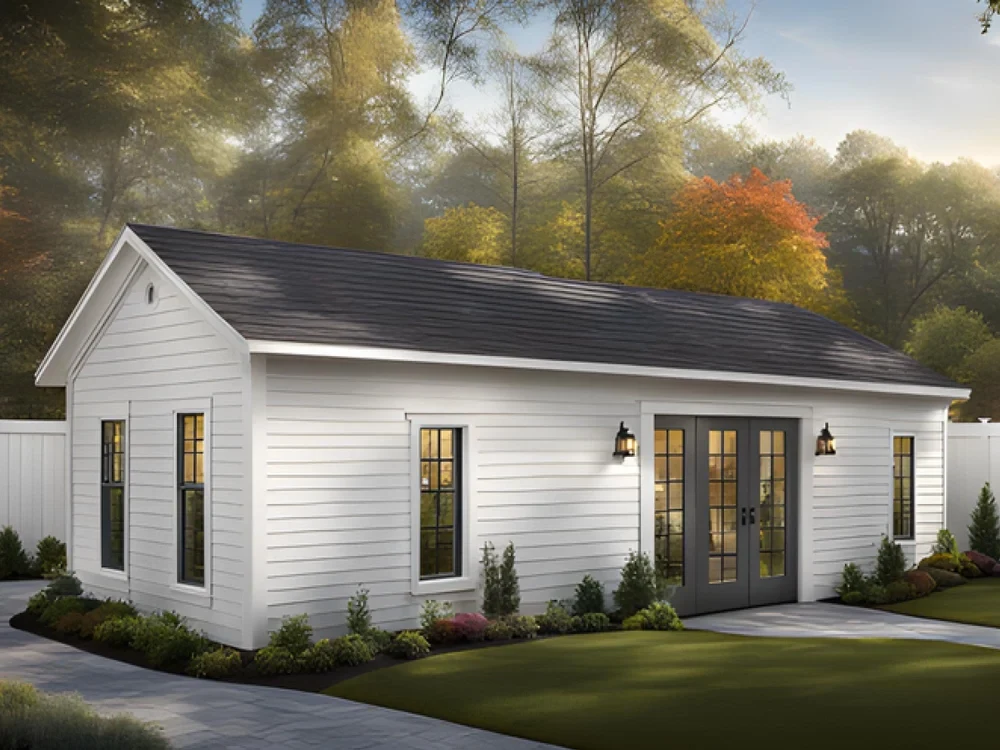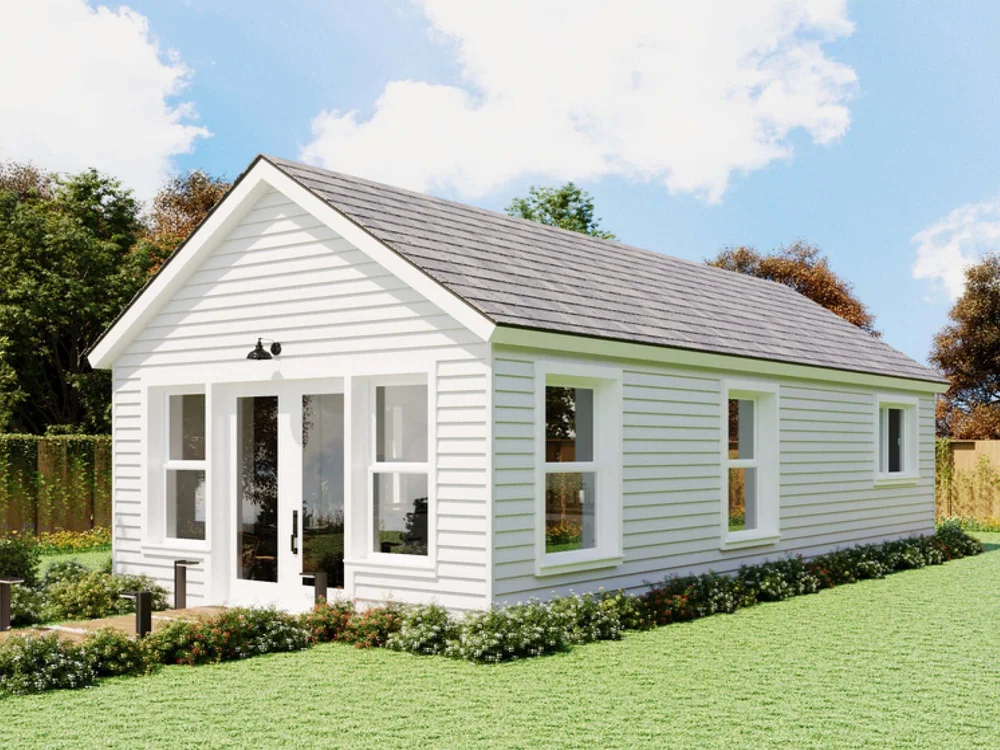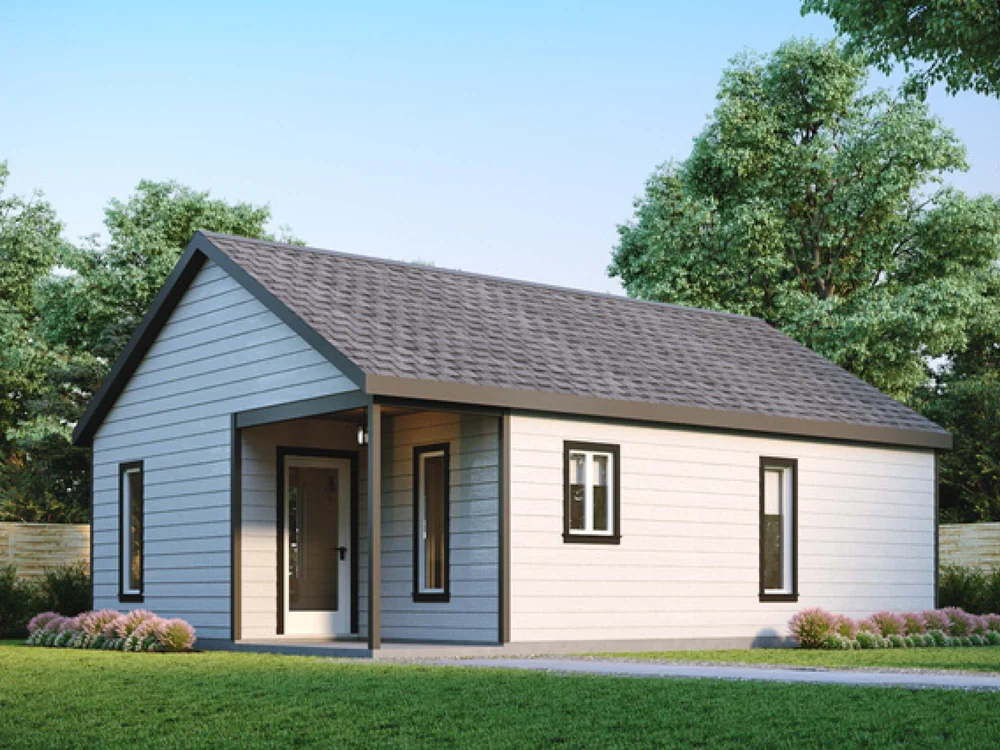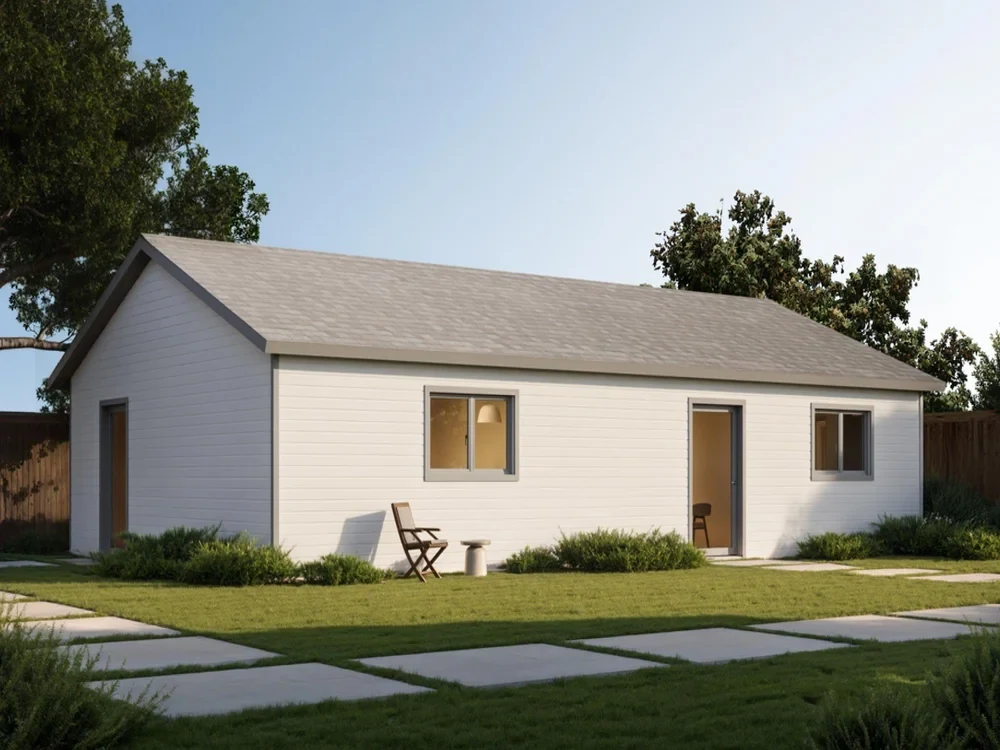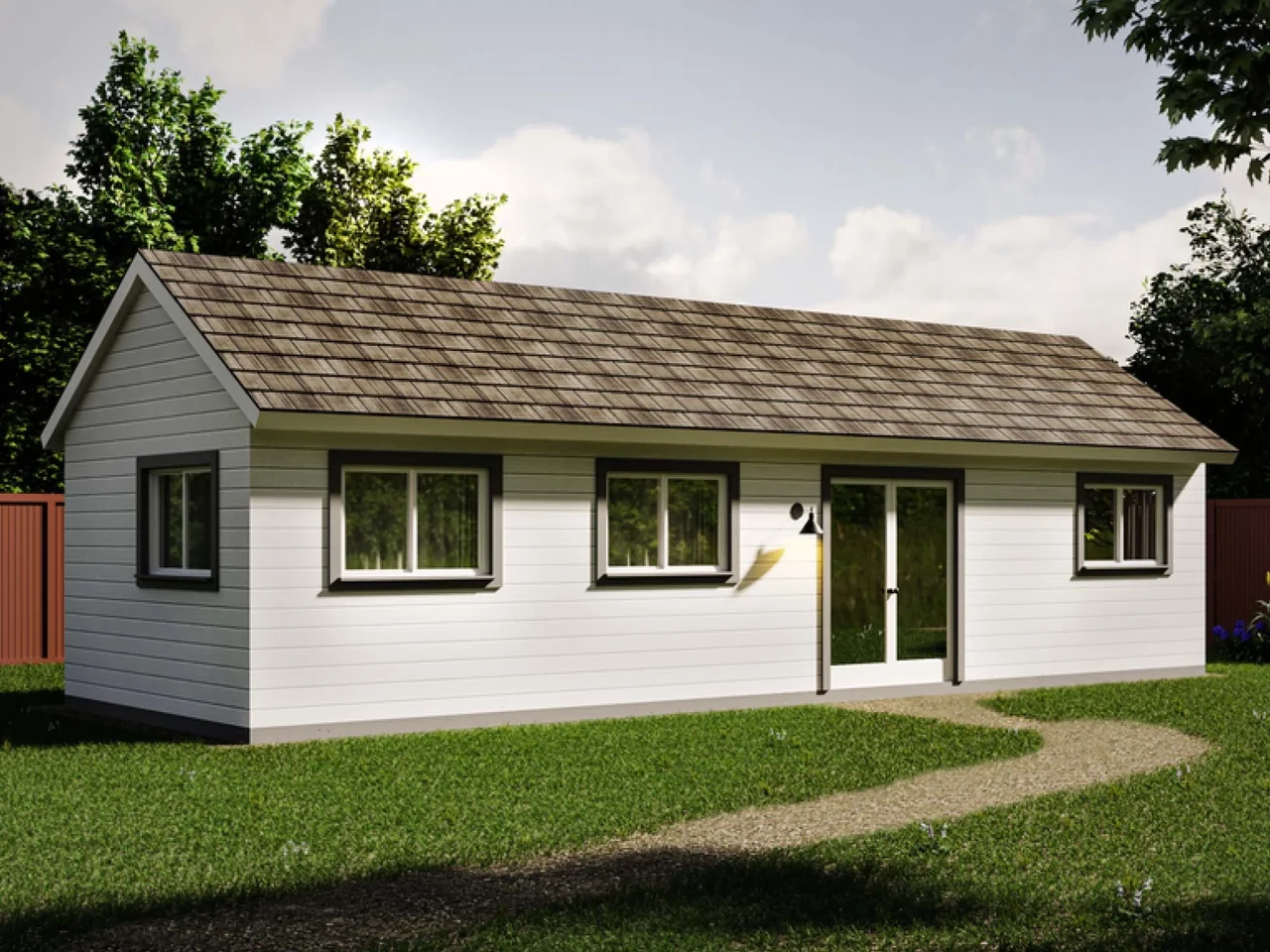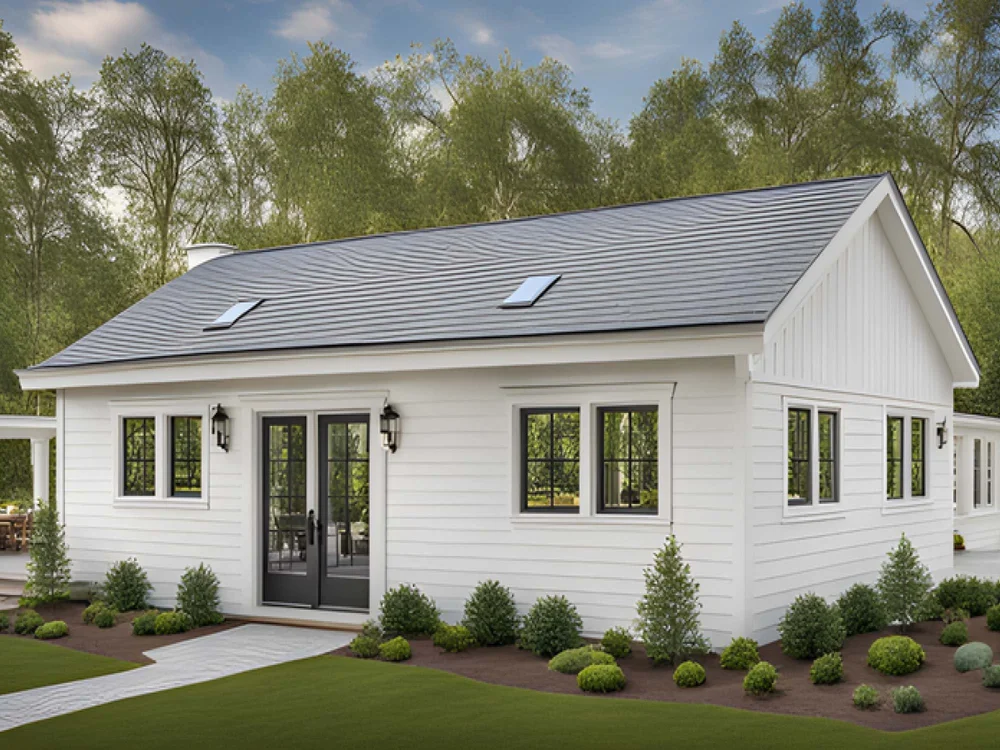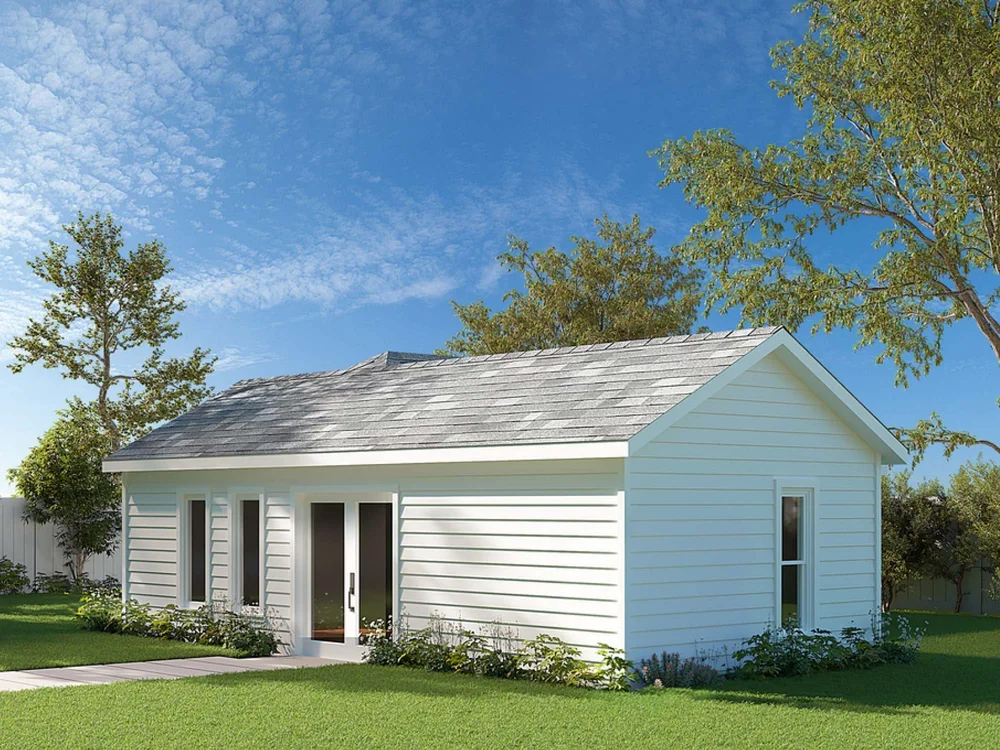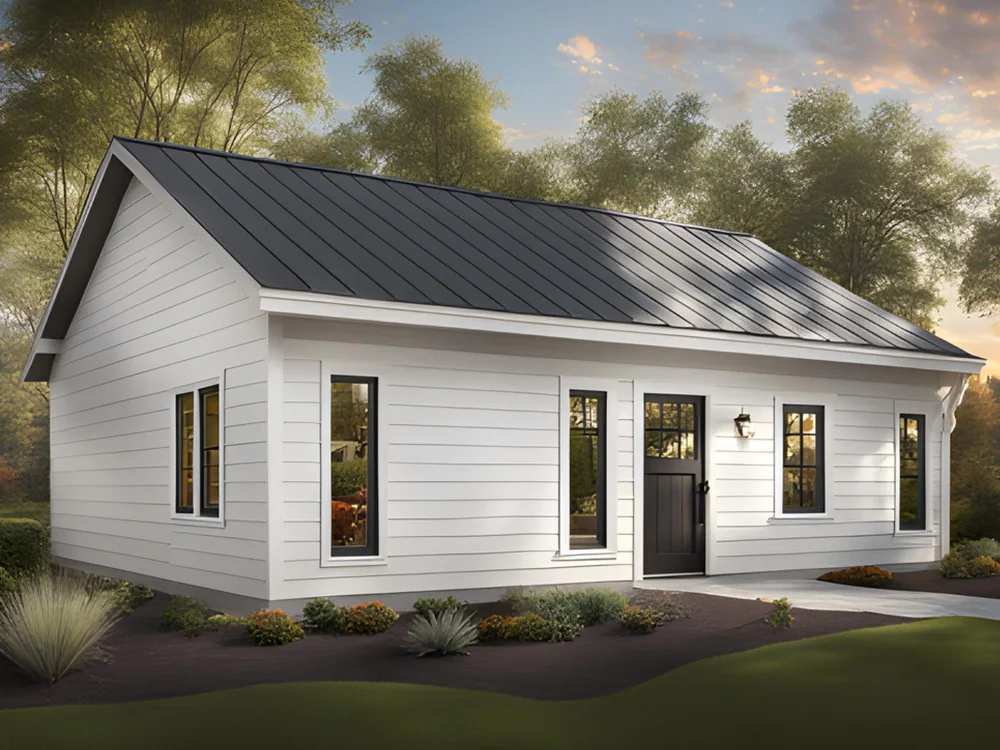
Looking for tiny homes for sale in Daytona Beach, FL and not sure where to start? This buyer’s guide walks you step by step through decisions about size, type, budget, legal requirements, and coastal conditions so you can shop with confidence instead of guesswork.
Step 1: Clarify how you’ll use your tiny home
Before you look at listings or talk to builders, get clear on your primary use. It affects everything from zoning to layout and cost.
Common use cases in Daytona Beach
- Full-time residence: You’ll need solid storage, good insulation and cooling, and legal placement for year-round living.
- Vacation or weekend beach place: You may prioritize outdoor living space, easy cleaning, and durability over maximum storage.
- Snowbird / seasonal use: Think about secure storage while you’re away and whether you’ll leave the home in place year-round.
- Guest house or in-law suite: Check what’s allowed on your lot and whether you want accessibility features for older guests.
- Rental or Airbnb-style income: Focus on low-maintenance designs, durable finishes, and layouts that feel spacious to short-term guests.
Knowing your use case will also help you narrow down floor plans and lifestyle choices. For ideas tailored to families, retirees, and pet owners, see guides like Families in Tiny Homes, Retiring in a Tiny Home, and Pet-Friendly Tiny Living.
Step 2: Choose wheels or foundation
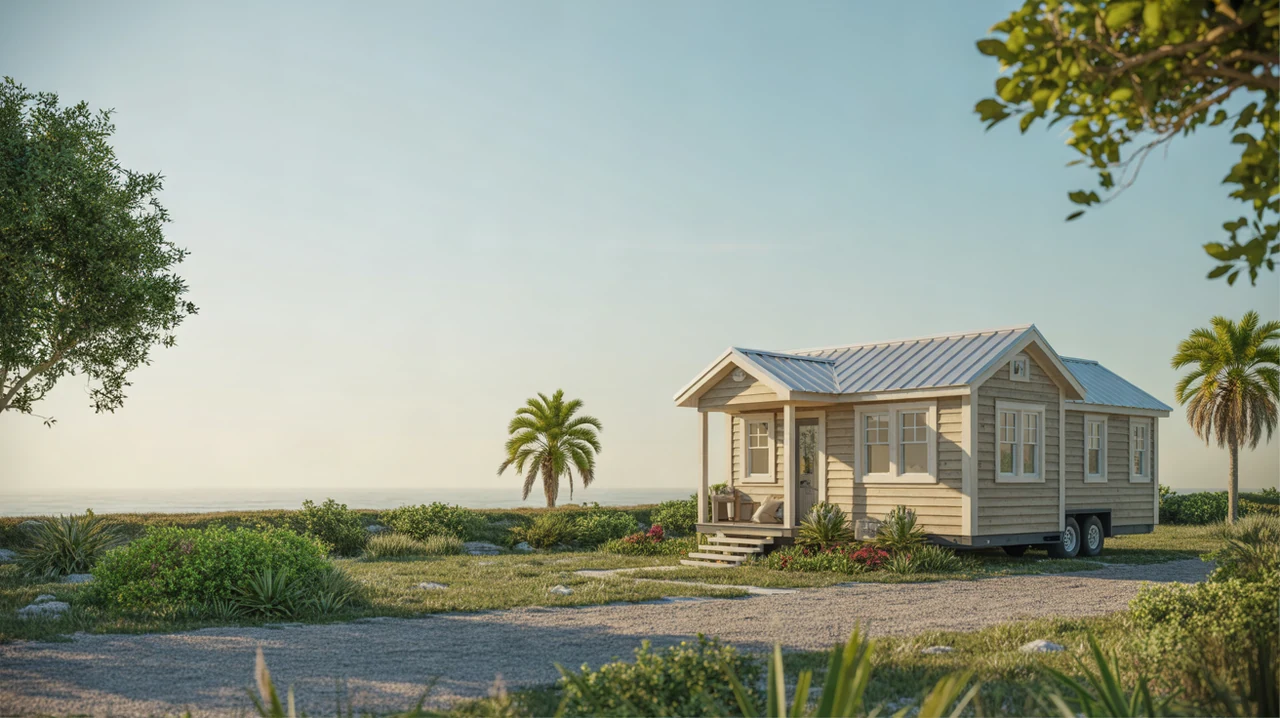
Daytona Beach buyers usually choose between a tiny house on wheels (THOW) or a tiny house built on a permanent foundation.
Tiny house on wheels
- Registered like an RV in many cases
- Potentially movable if local rules change
- Easier to place in some parks or tiny home communities
- Size limited by road-legal width and weight
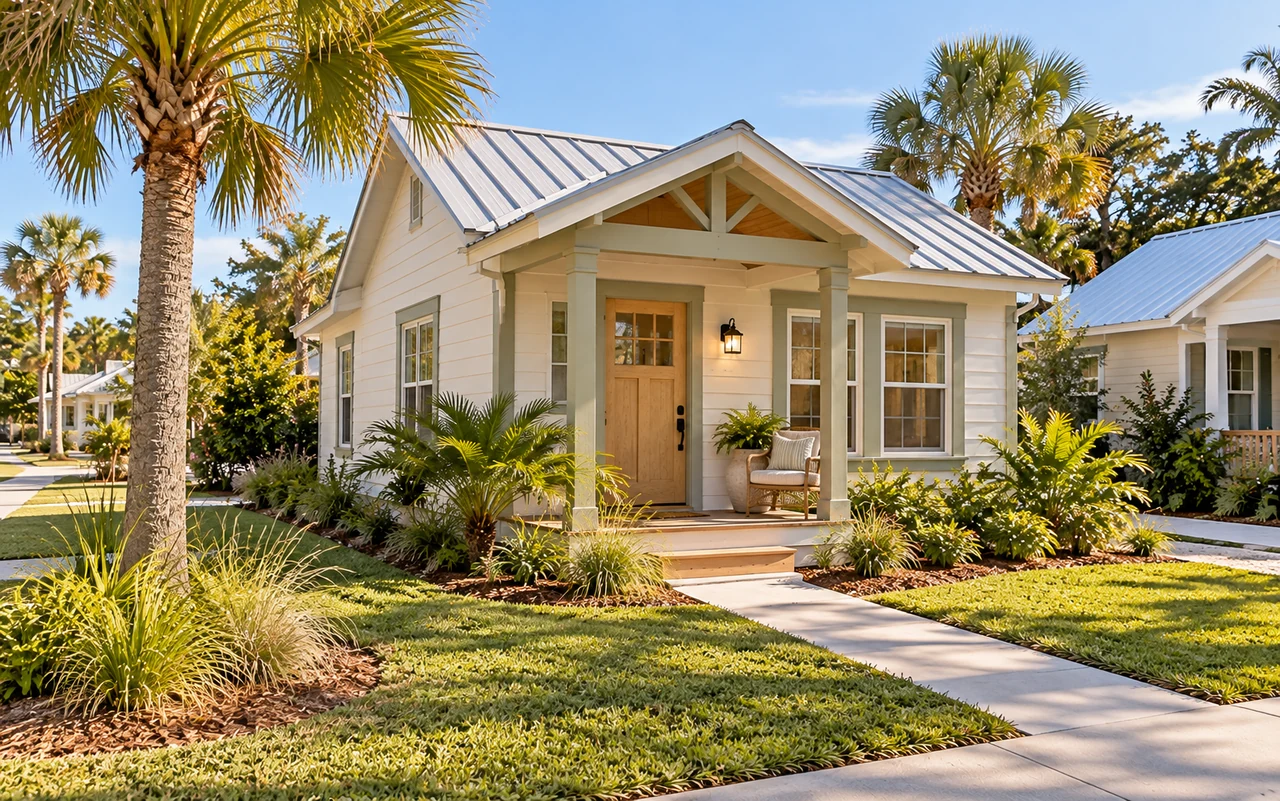
Tiny house on a foundation
- Feels more like a traditional small house
- May qualify for different types of financing and insurance
- Subject to local building codes and floodplain rules
- Not movable without major work
For a deeper comparison, explore Tiny Houses on Wheels vs Foundation. Your choice here will strongly influence zoning, cost, and long-term flexibility.
Step 3: Understand local zoning and legal basics
Coastal Florida has extra layers of rules for safety, density, and storm risk. Before you fall in love with a listing, make sure you can legally place and live in it where you want.
Key questions to answer
- Can you live in a tiny home full-time on your chosen lot?
- Does the city or county treat it as an RV, accessory dwelling unit (ADU), or small house?
- Are there minimum square footage requirements?
- What are the setbacks and height limits?
- Is the area in a flood zone or storm surge zone, and what does that require?
Rules can differ between Daytona Beach city limits and surrounding Volusia County areas, plus private community or HOA rules on top. To get oriented, read Tiny Home Zoning, Permits, and Legal Basics (note: verify current local regulations directly with city or county offices).
Step 4: Set a realistic budget and understand costs
Tiny homes can be more affordable than traditional houses, but they’re not “cheap sheds.” Materials, craftsmanship, and coastal requirements add up.
Typical cost categories
- Home purchase price: Pre-built, custom, or used tiny home cost.
- Land or parking: Buying a lot, leasing a pad, or paying community fees.
- Site work: Utility hookups, foundations, anchoring systems, driveways, and permitting.
- Insurance and taxes: Varies by whether it’s on wheels, on a foundation, and how it’s classified.
- Furnishings and appliances: Compact or built-in options can cost more but save space.
- Ongoing upkeep: Roof care, sealing, pest control, salt-air maintenance.
For a deeper cost breakdown before shopping, see Tiny Home Prices and Cost Breakdown and Maintenance and Upkeep Costs for Tiny Homes.
Step 5: Decide on new, used, custom, or pre-built
When you search for “Tiny Homes for Sale Daytona Beach,” you’ll find a mix of brand-new units, used homes, and custom builders.
New vs used tiny homes
- New: Modern materials and layouts, builder warranties, and clean maintenance history.
- Used: Lower upfront cost and quicker move-in, but you must inspect carefully for water intrusion, DIY work, and storm damage.
Compare pros, cons, and pricing in New vs Used Tiny Homes.
Custom-built vs pre-built
- Custom-built: Tailored to your lifestyle, lot, and accessibility or pet needs; usually higher cost and longer timeline.
- Pre-built / model homes: Faster delivery, known floor plans, and clearer pricing; fewer chances to customize.
Learn more in Custom-Built vs Pre-Built Tiny Homes and use it to decide which path fits your budget and schedule.
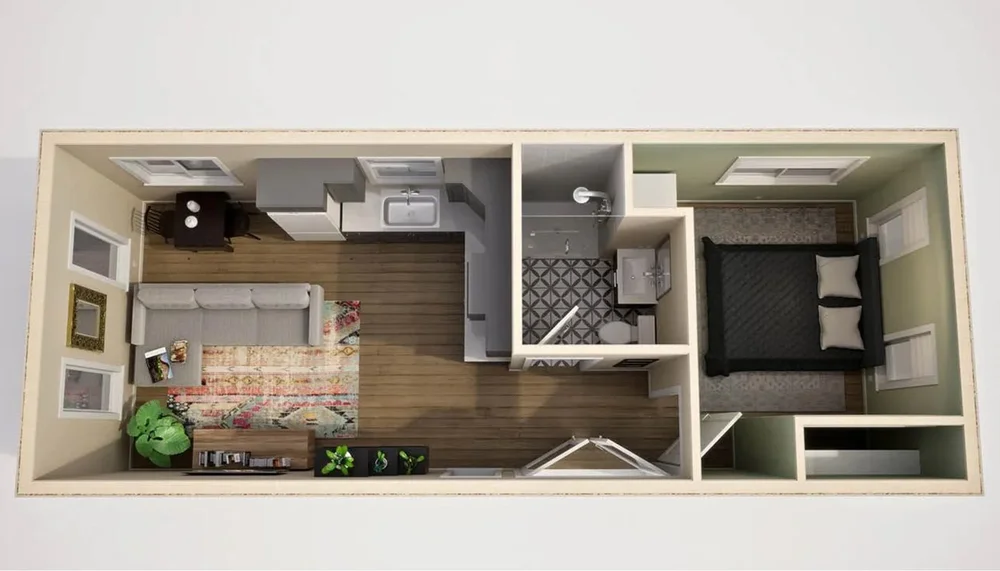
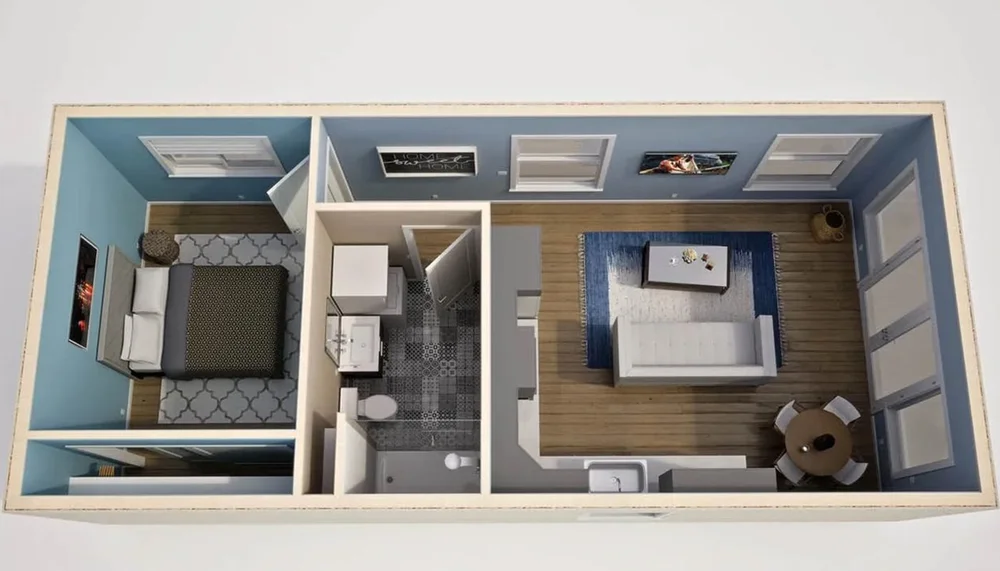
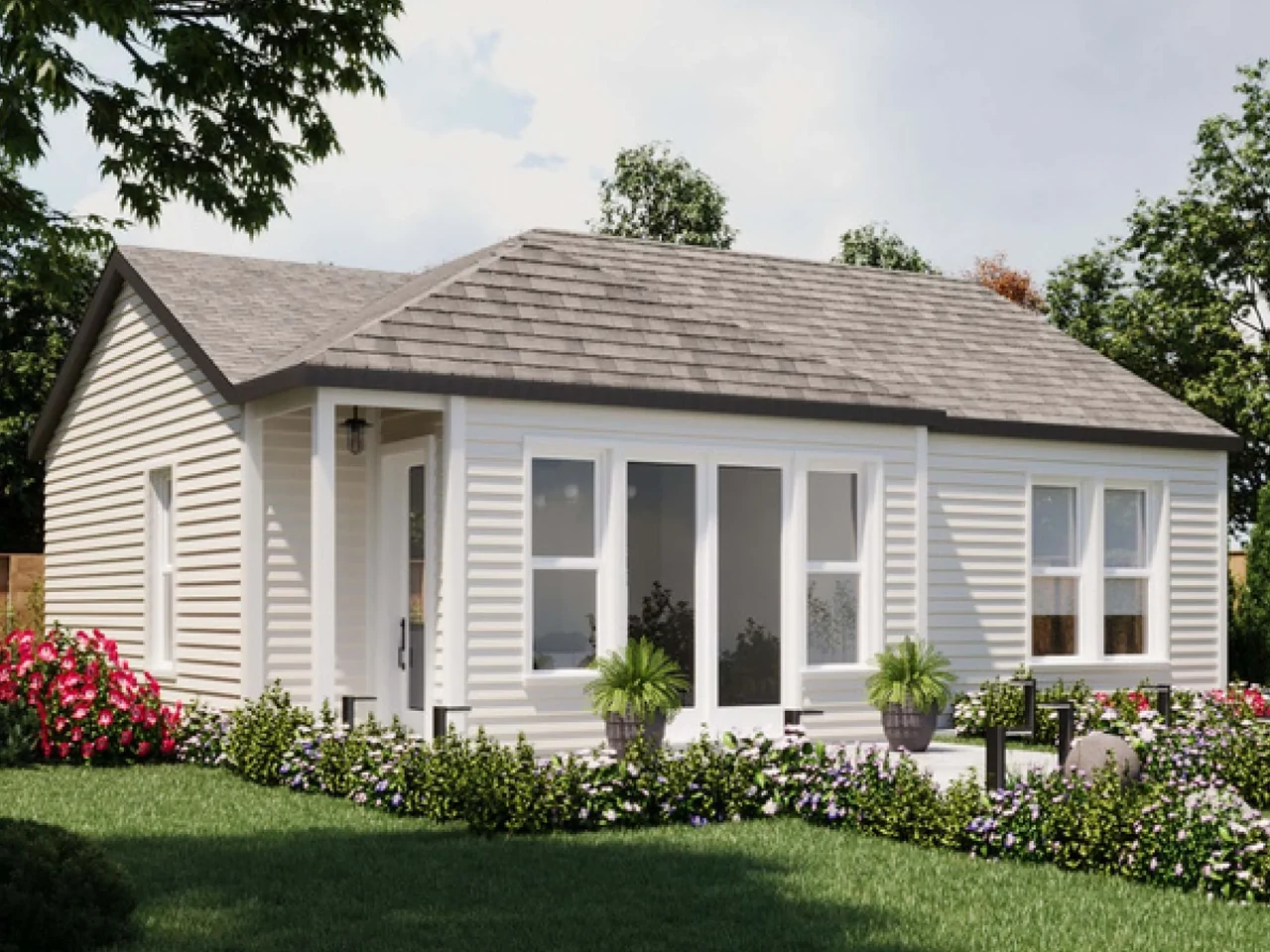
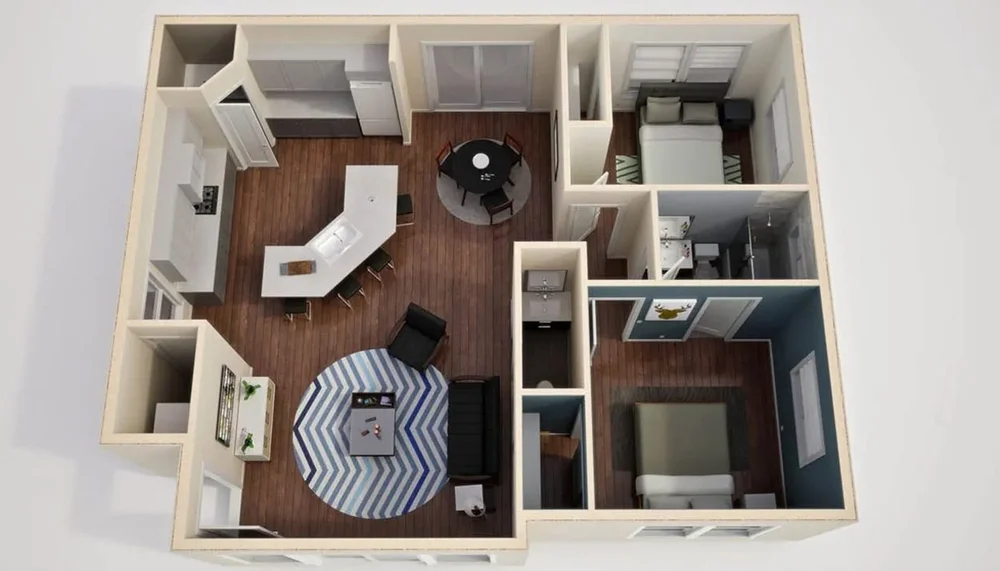
Step 6: Choose a layout that fits coastal living
Beach-area tiny homes need to balance airflow, storage for outdoor gear, and comfortable circulation in a small footprint.
Layout considerations
- Sleeping: Loft vs main-floor bedroom, especially for aging in place or mobility concerns.
- Outdoor living: Porches, decks, or outdoor showers for rinsing sand and saltwater.
- Storage: Surfboards, bikes, fishing gear, folding beach chairs, and seasonal items.
- Kitchen and dining: Compact kitchens that still handle daily cooking if you’ll live there full-time.
- Work-from-home space: A fold-down desk or convertible table if you plan to work remotely.
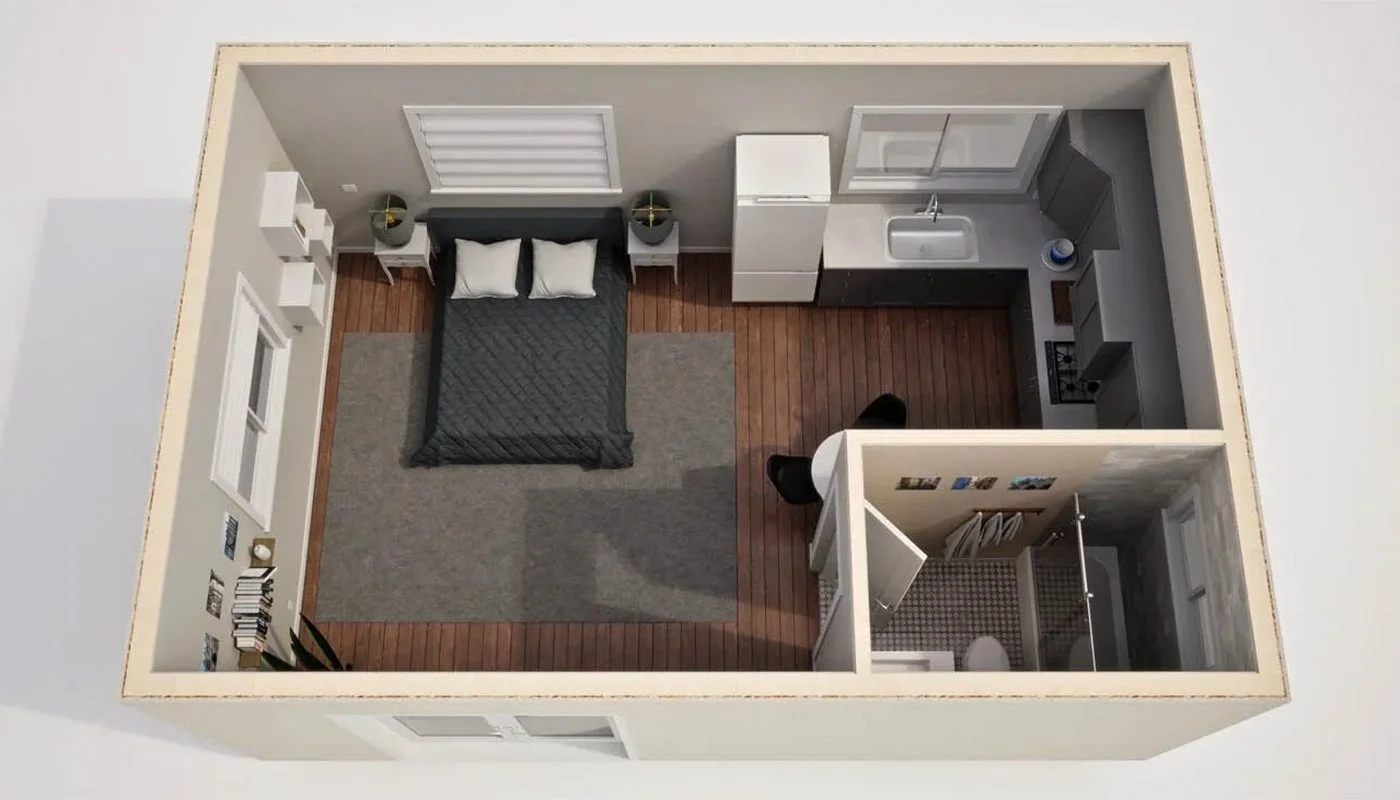
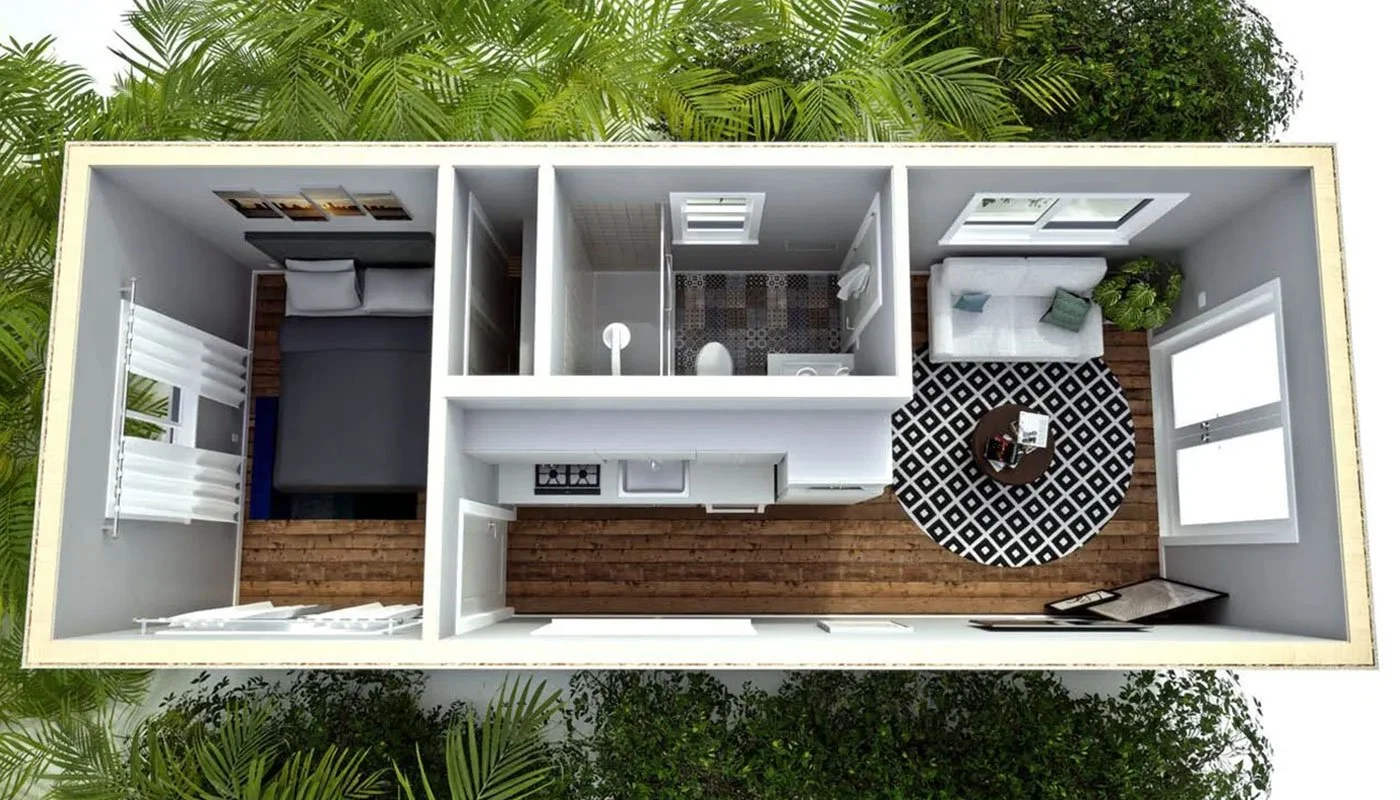
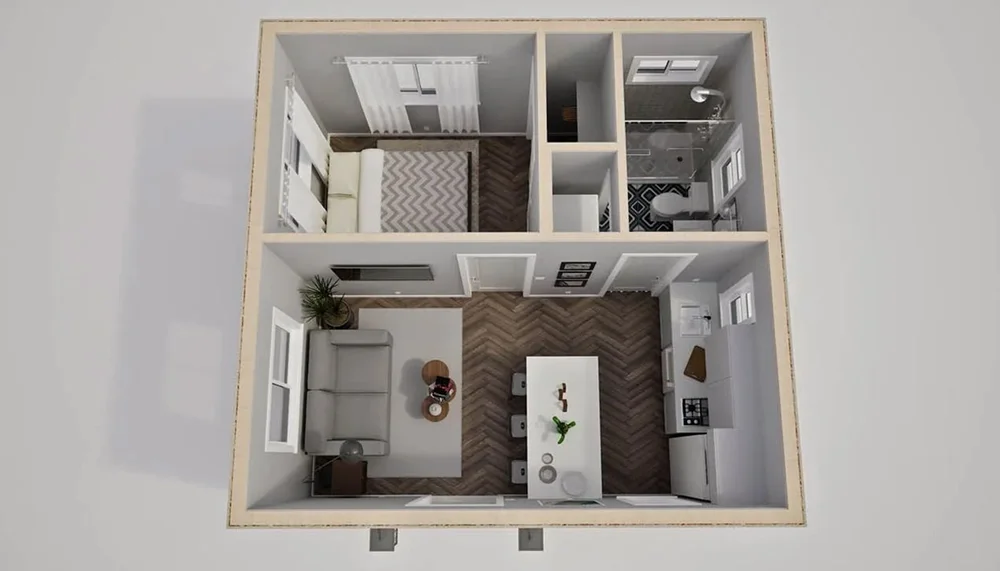
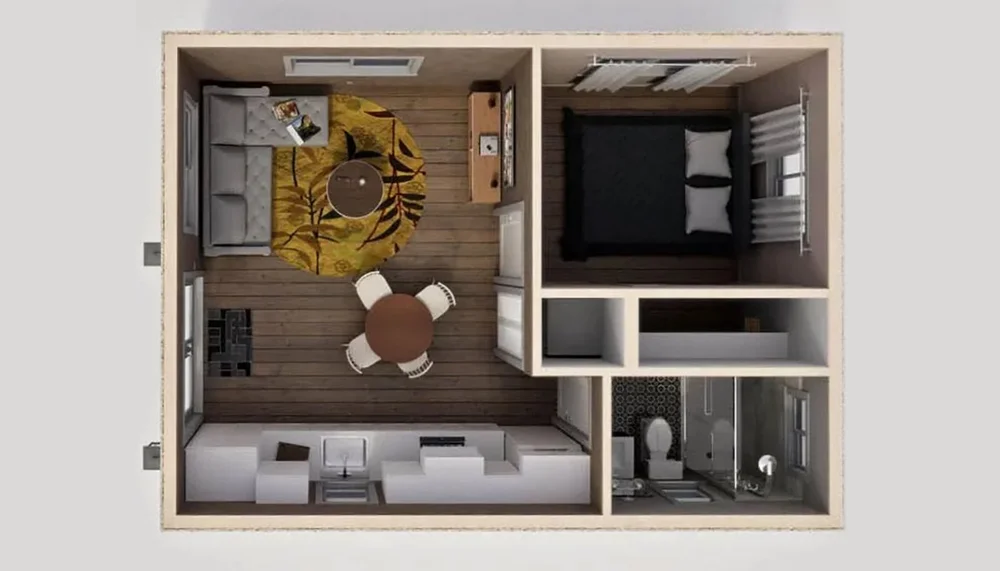
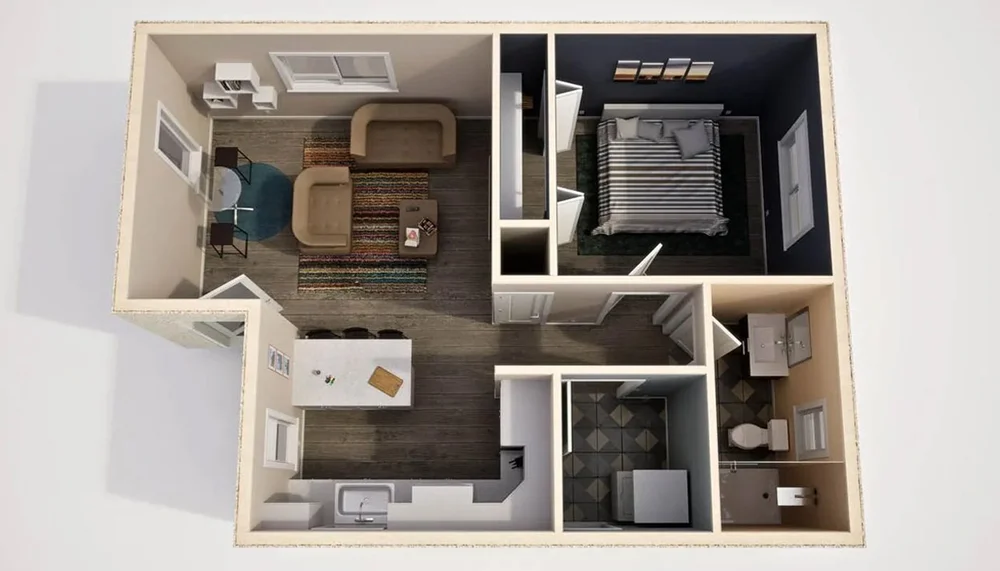
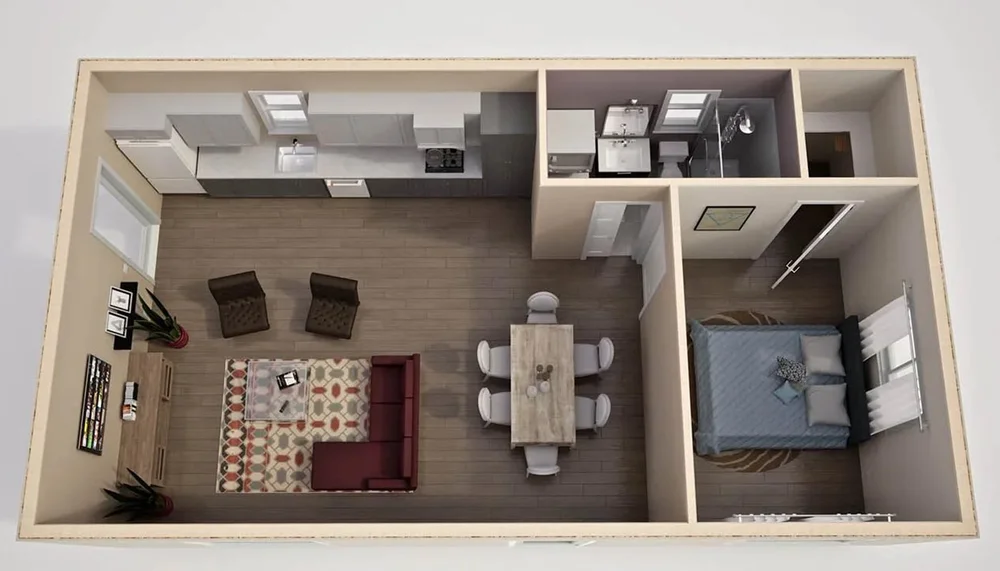
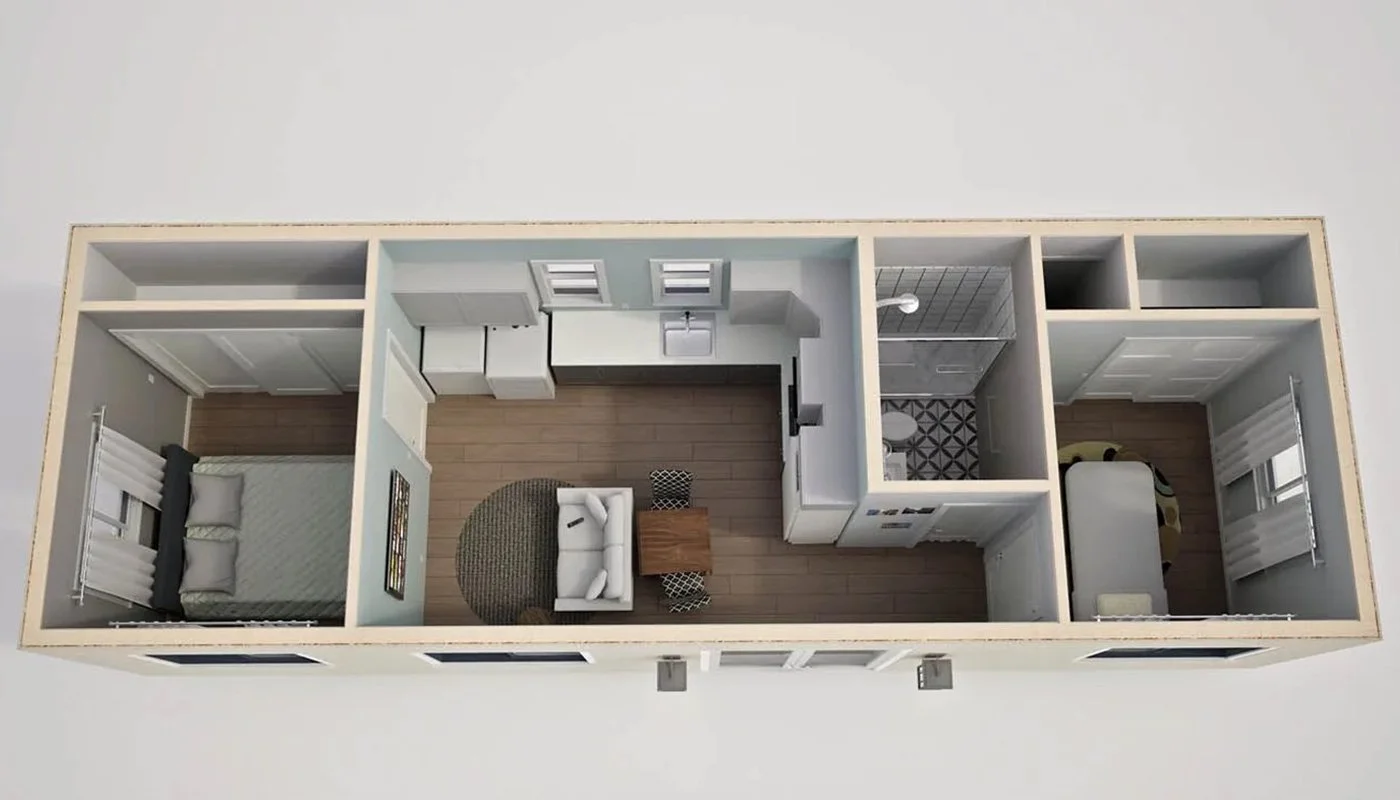
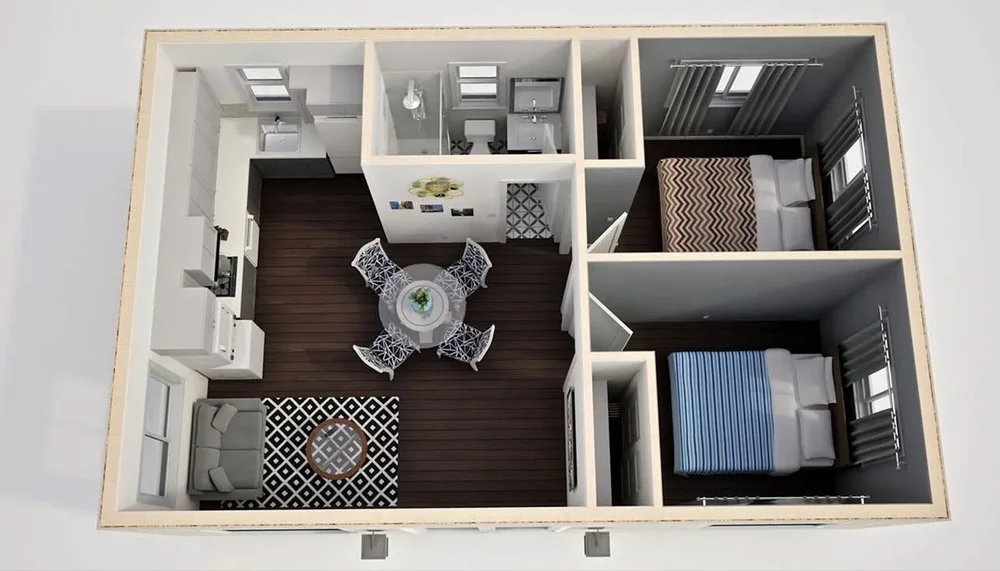
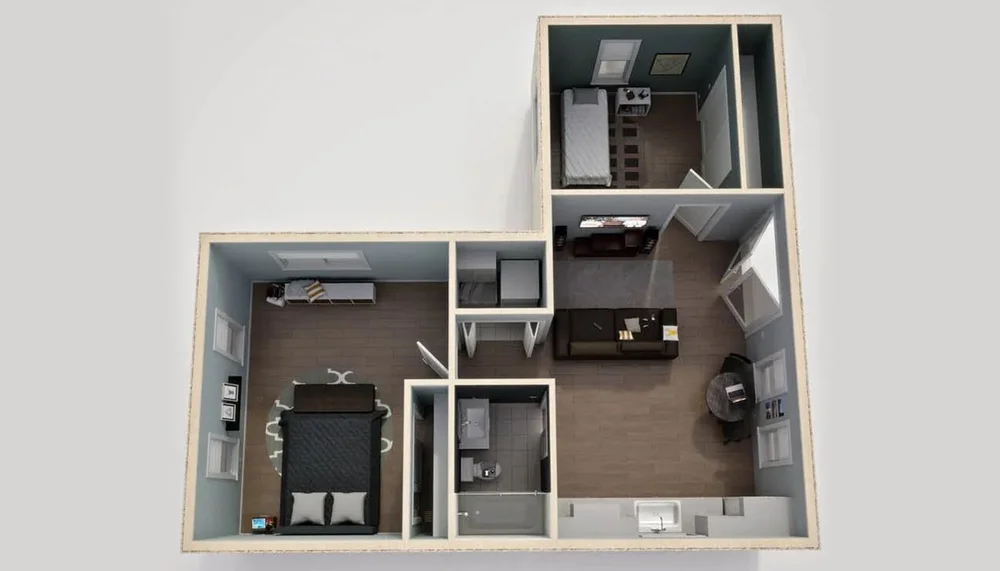
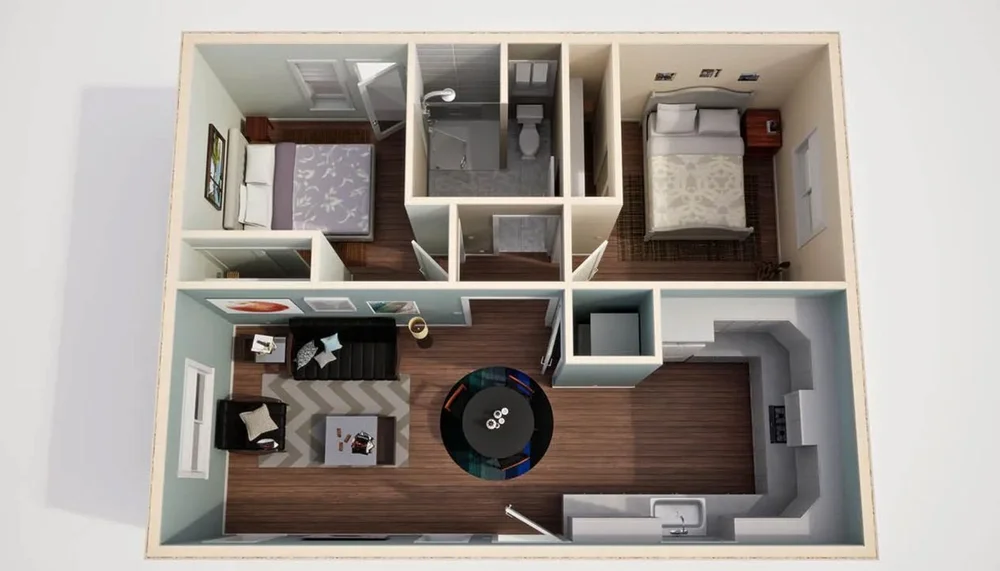
For inspiration, visit Tiny Home Floor Plans and Layout Ideas and Tiny Home Interior Storage and Space-Saving Ideas.
Step 7: Account for Daytona Beach climate and storms
Warm, humid, salty air and the potential for hurricanes shape how you should evaluate tiny homes near the beach.
Weather-smart design and materials
- Moisture-resistant wall and roof assemblies
- Corrosion-resistant fasteners and hardware
- Impact-resistant windows or shutters where required
- Elevated foundations or anchoring systems in flood-prone areas
- Efficient cooling and ventilation to handle heat and humidity
For coastal-specific ideas, see Beach-Friendly Tiny Home Designs and Materials and Tiny Home Safety: Storms, Flooding, and Anchoring.
Step 8: Explore where you can park or place your tiny home
Location is just as important as the home itself. Around Daytona Beach, options may include tiny home communities, RV or mobile home parks, backyard ADUs, or rural land.
- Tiny home and RV communities: Offer utilities, community amenities, and a social environment; check rules for length of stay and home type.
- Backyard placement: As an ADU or guest house; make sure local rules allow it and confirm utility access.
- Private or rural lots: More privacy and flexibility, but you’ll be responsible for more site work and infrastructure.
For a closer look at your parking and community choices, visit Best Tiny Home Communities and Parking Options.
Step 9: Plan your financing and insurance
Financing a tiny home near Daytona Beach is different from a traditional mortgage, especially for homes on wheels or units classified as RVs.
Financing options to research
- Personal or unsecured loans
- RV loans (for qualifying THOWs)
- Construction or chattel loans through specialty lenders
- Home equity loans or HELOCs if you own another property
Walk through the main options in Financing a Tiny Home: Loans, Mortgages, and Alternatives.
Insurance also varies based on classification (RV, park model, or small house). Learn how coverage and warranties work in Tiny Home Insurance and Warranties Explained.
Step 10: Evaluate builders, listings, and inspections
Once you’re ready to seriously shop for tiny homes for sale around Daytona Beach, take time to vet builders and inspect any home you’re considering.
Tips for choosing a reputable builder or seller
- Ask about building standards and code compliance.
- Review photo documentation of the build process where possible.
- Check references and look for a history of completed homes.
- Clarify what’s included (appliances, hookups, skirting, decks).
- Get timelines and payment schedules in writing.
For a step-by-step approach, see How to Choose a Reputable Tiny Home Builder and browse real examples in Tiny Home Tours and Real-Life Case Studies.
Tiny Homes for Sale in Daytona Beach: Buyer FAQs
Is a tiny home actually cheaper than a condo or mobile home?
Sometimes. The total cost depends on land or pad rent, insurance, fees, and utilities, not just the home price. Compare overall lifestyle and budget in Tiny Homes vs Condos and Tiny Homes vs Mobile Homes.
Can I rent out my tiny home when I’m not using it?
Possibly. You’ll need to confirm zoning, HOA or park rules, and short-term rental regulations. Learn what to consider in Renting Out Your Tiny Home as a Short-Term Rental.
What if my needs change later?
Think about resale and exit strategies before you buy. Your ability to resell or relocate the home will depend on its classification, foundation, and location. For planning ahead, see Resale Value and Exit Strategies for Tiny Home Owners.
Where can I learn more before making a decision?
Explore more detailed guides on the Blog / Guides or review common questions in the First-Time Tiny Home Buyer FAQ. When you’re ready to compare options, you can also start the process through the site’s Get Started page.