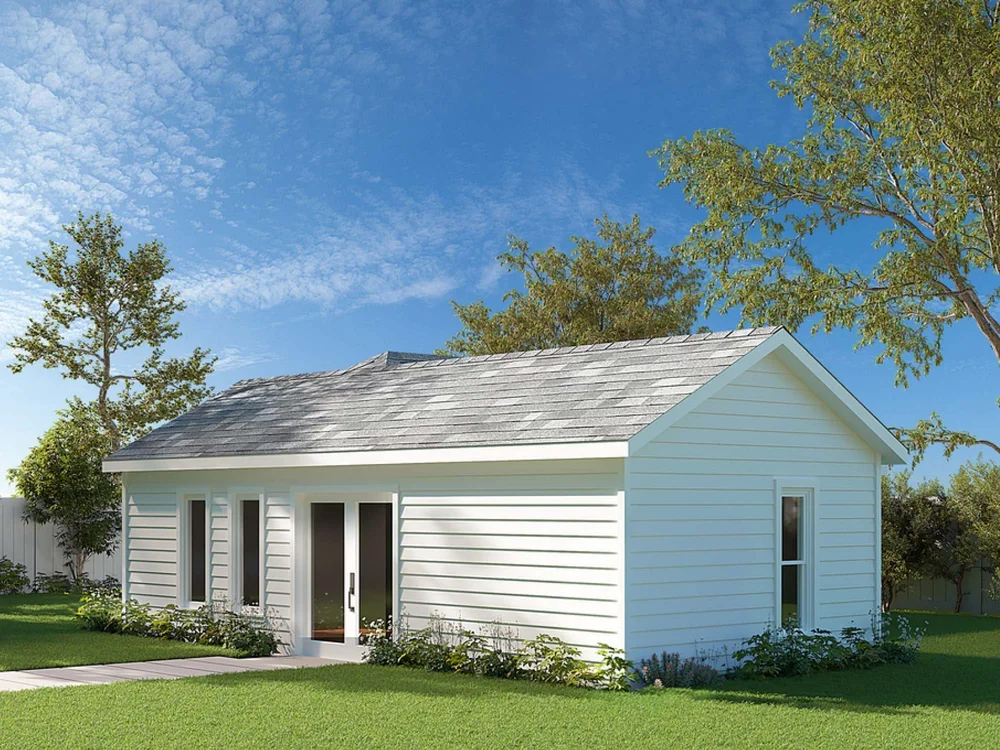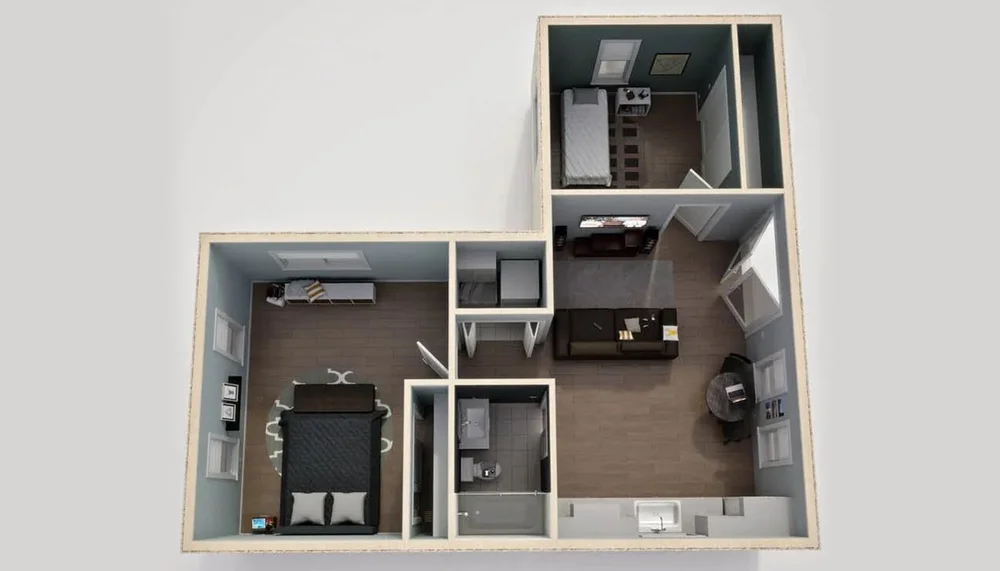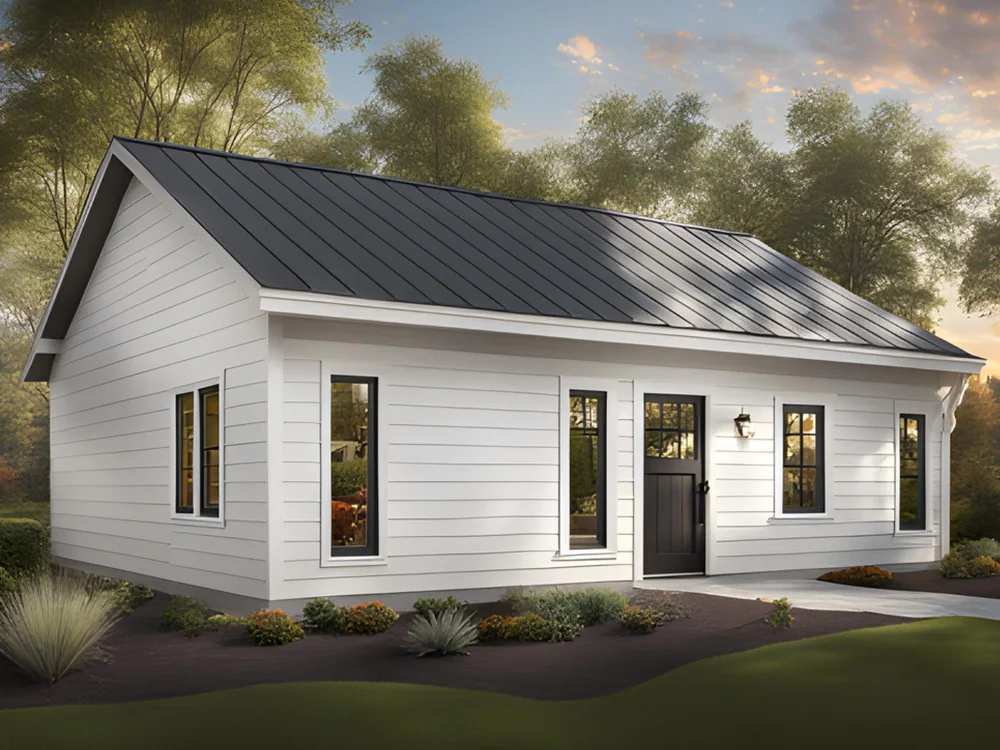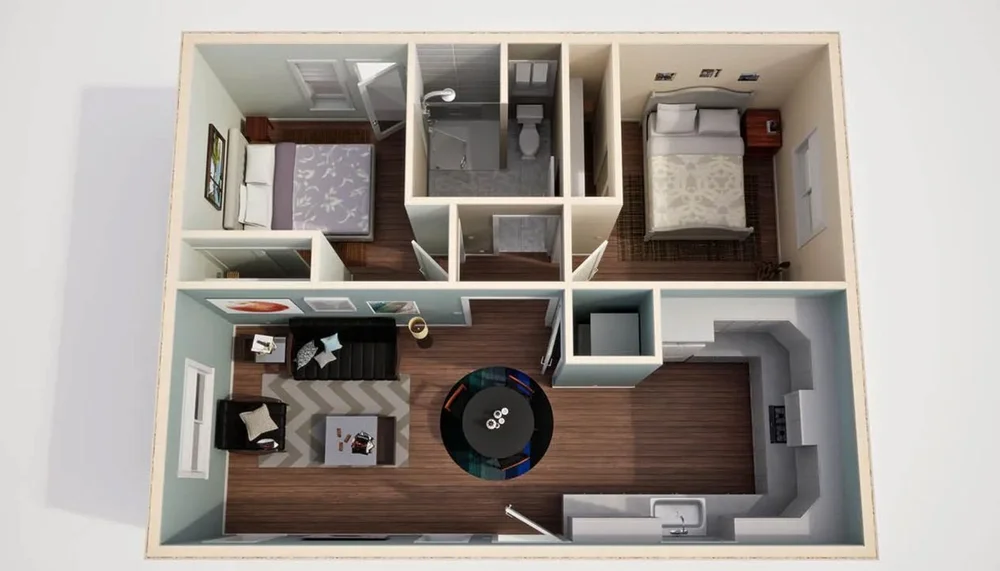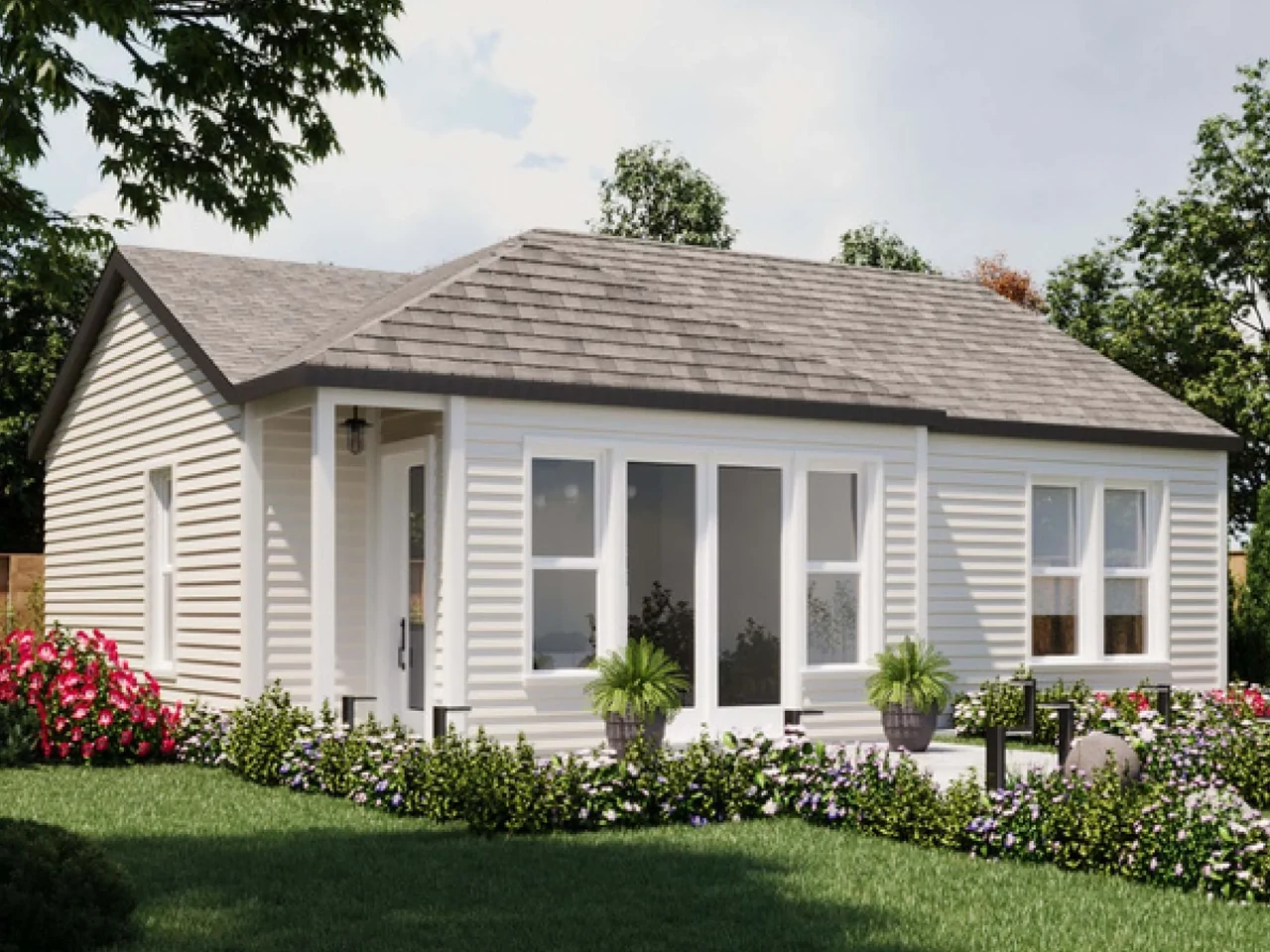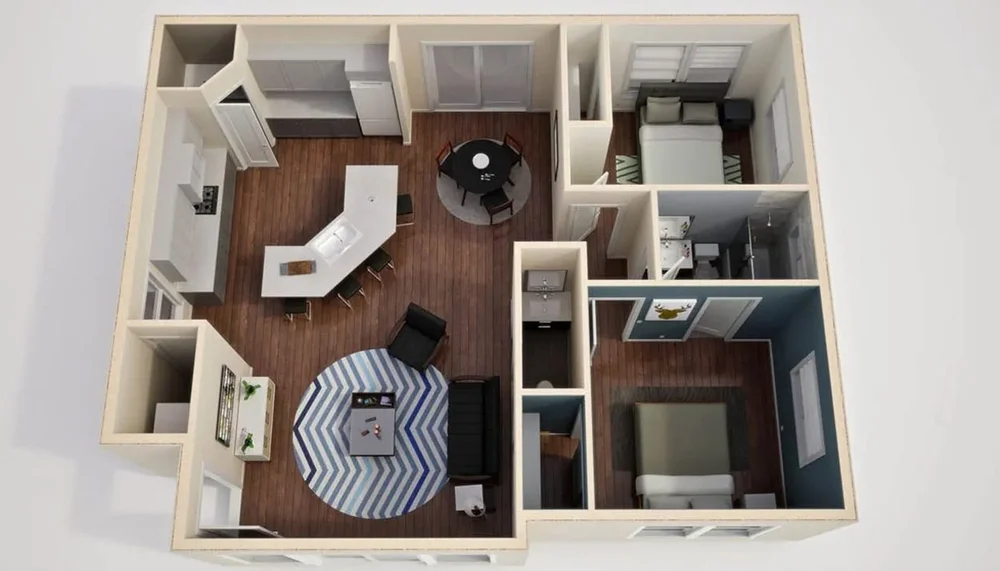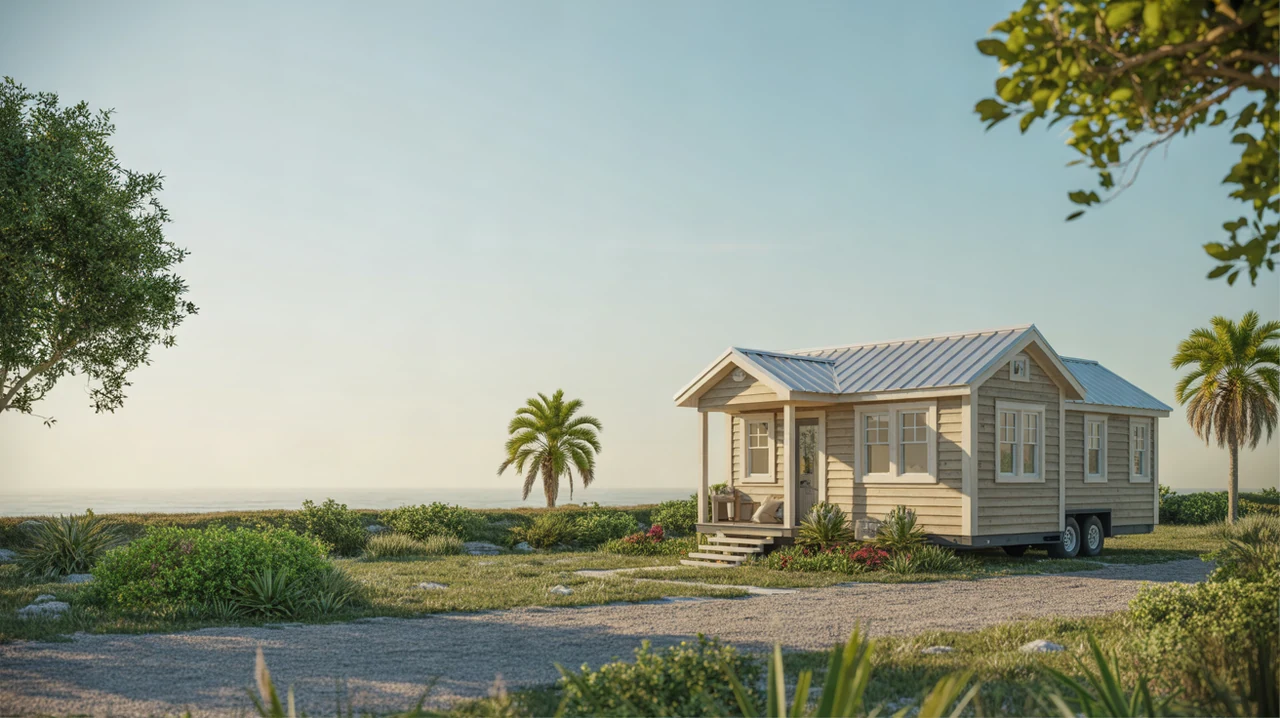
Understanding maintenance and upkeep costs upfront can help you decide whether a tiny home around Daytona Beach fits your long-term budget. While tiny homes are smaller and often cheaper to maintain than traditional houses, they still require regular care—especially in a coastal, humid climate like Central Florida.
This guide breaks down typical ongoing costs, how the beach environment affects maintenance, and practical routines to keep your tiny home in great shape year after year.
How Much Does It Cost to Maintain a Tiny Home?
Every tiny home and lifestyle is different, but many owners set aside about 1–3% of their home’s value each year for maintenance and repairs. For a $70,000 tiny home, that’s roughly $700–$2,100 per year, not including utilities, lot rent, or insurance.
A coastal location like Daytona Beach can increase wear on exterior materials and systems due to salt air, sun, and humidity. Choosing the right materials and following a regular maintenance schedule can keep unexpected costs lower over time.
Common Tiny Home Maintenance Categories
Tiny homes concentrate all the systems of a regular house into a smaller space. Here are the main areas where you can expect ongoing upkeep costs.
1. Exterior Shell: Siding, Roofing, and Sealing
The exterior shell protects your investment from sun, rain, and salty air. In the Daytona Beach area, this is one of the most important maintenance categories.
- Siding: Fiber cement, metal, and certain composite panels often stand up better to coastal conditions than natural wood. Expect occasional washing, touch-up painting or sealing, and minor repairs over time.
- Roofing: Metal roofs are common on tiny homes and can perform well in Florida if properly installed and inspected. Budget for periodic inspections, resealing fasteners, and cleaning debris from the roof and gutters.
- Caulking and seals: Windows, doors, and trim need to be checked at least once a year for gaps or cracking sealant to prevent moisture and air leaks.
For more on choosing durable finishes for the beach climate, see Beach-Friendly Tiny Home Designs and Materials.
2. Interior Surfaces and Moisture Control
Inside a tiny home, moisture and condensation can build up quickly if not managed carefully—especially in humid Florida.
- Walls and ceilings: Watch for signs of moisture, such as soft spots, staining, or mold. Minor touch-ups with paint or sealant are relatively inexpensive; hidden water damage can be costly.
- Flooring: Vinyl plank and tile often hold up better to sand and humidity than certain hardwoods. Plan for routine cleaning and occasional replacement of high-wear areas.
- Ventilation: Keeping bathroom and kitchen fans clean and working reduces moisture problems that can lead to expensive repairs.
3. Plumbing and Water Systems
Compact plumbing systems can be efficient, but they also mean leaks or clogs can affect the whole home quickly.
- Water heater: Tankless or small-tank units may need descaling, especially with hard water. Budget for maintenance or replacement every 8–12 years, depending on the unit.
- Pipes and fittings: Check for drips, corrosion, or loose connections. Promptly fixing minor leaks helps avoid structural damage.
- Off-grid systems: Composting toilets, water tanks, and filters require regular cleaning and parts replacement. These add maintenance tasks even if they reduce utility bills.
4. Electrical and HVAC
Climate control is a major comfort factor in Daytona Beach’s heat and humidity.
- Mini-split systems: Many tiny homes use ductless mini-splits. Expect annual servicing, filter cleanings, and occasional repairs.
- Dehumidifiers: Some owners use stand-alone dehumidifiers to protect finishes and belongings. They require filter cleanings and may eventually need replacement.
- Electrical system: Periodic inspections help ensure wiring, outlets, and breakers remain safe, especially if you move a tiny house on wheels between sites.
5. Trailer and Foundation Care
Costs differ depending on whether your tiny home is on wheels or on a fixed foundation.
- Tiny house on wheels (THOW): Budget for tire replacement, brake checks, rust treatment, and inspections of the frame and hitch. Salt air can accelerate corrosion if the trailer is not protected.
- Foundation or piers: Anchoring systems, skirting, and steps need inspection for shifting, rot, or pest damage, especially after storms.
For more on placement options and long-term parking, visit Best Tiny Home Communities and Parking Options.
Daytona Beach–Specific Maintenance Considerations
Living near the Atlantic brings unique benefits—and unique maintenance priorities.
- Salt and corrosion: Metal fixtures, fasteners, and trailers exposed to salty air may need more frequent cleaning and protective coatings.
- Sun exposure: UV rays can fade paint and degrade sealants. Higher-quality exterior finishes may cost more upfront but can lower long-term upkeep costs.
- Storm readiness: Checking tie-downs, anchors, and storm shutters (if installed) before storm season can prevent major damage. Learn more in Tiny Home Safety: Storms, Flooding, and Anchoring.
- Pest control: Warm climates are friendly to termites, ants, and other pests. Regular inspections and preventive treatments are a smart budget line item.
Sample Annual Maintenance Budget for a Tiny Home
Actual numbers will vary, but this example can help you plan. These estimates assume a professionally built tiny home in the Daytona Beach area.
| Category | Possible Annual Range | Notes |
|---|---|---|
| Exterior cleaning & touch-ups | $150–$400 | Pressure washing, paint/sealant touch-ups, minor repairs |
| Roof & seal inspections | $100–$300 | Inspection and resealing around vents, skylights, fasteners |
| HVAC service & filters | $150–$350 | Mini-split servicing, filter replacements |
| Plumbing & water systems | $100–$250 | Minor leaks, water heater maintenance, filter changes |
| Trailer / foundation care | $100–$300 | Rust treatment, tire fund, anchor checks |
| Pest control | $150–$350 | Inspections and treatments, if needed |
| Estimated total | $750–$1,950 | Not including major repairs or upgrades |
Some years may be lower, while others may include a big-ticket repair or replacement. Building an emergency fund for home expenses is still important, even for a tiny home.
How Tiny Home Design Choices Affect Long-Term Costs
Decisions made before you buy or build can significantly change your future maintenance budget.
- Materials: Beach-friendly siding, roofing, and fasteners can cost more initially but reduce painting, repairs, and rust treatment later.
- Roof style: Simple rooflines tend to leak less and are easier to maintain than complex designs with multiple valleys and penetrations.
- Windows and doors: Impact-rated or hurricane-rated products can offer better durability and may lower storm-related repair costs.
- Systems complexity: Solar panels, rainwater catchment, and advanced smart systems require additional upkeep but can lower utility bills and increase resilience.
To compare different build paths and how they may affect upkeep, see Custom-Built vs Pre-Built Tiny Homes and Tiny Home Prices and Cost Breakdown.
Simple Maintenance Routines to Adopt
A consistent routine can spread costs out and prevent bigger issues.
Monthly
- Check for water leaks under sinks and around windows.
- Clean HVAC and dehumidifier filters as recommended.
- Look for signs of moisture or condensation on windows and walls.
Seasonally
- Wash exterior surfaces and windows to remove salt and grime.
- Inspect roof, gutters, and caulking, especially before and after storm season.
- Test smoke and CO detectors and replace batteries if needed.
Annually
- Schedule a professional HVAC inspection and service.
- Have a qualified professional check electrical connections and panel.
- Inspect the trailer frame or foundation, anchors, and skirting.
- Review your maintenance and repair spending to adjust next year’s budget.
FAQs: Maintenance and Upkeep for Tiny Homes Near Daytona Beach
Are tiny home maintenance costs lower than a regular house?
In many cases, yes. There is less square footage to paint, cool, and clean, and materials quantities are smaller. However, high-quality tiny homes still use full-size systems and appliances, and coastal exposure can add expenses. It is best to compare your tiny home budget to local condo or small home upkeep costs to see what fits your situation. You can explore this further in Tiny Homes vs Condos: Which Fits Your Lifestyle and Budget?.
How does moving a tiny house on wheels affect maintenance?
Frequent moves add wear to the trailer, tires, and structure. You will need more regular checks of brakes, bearings, and fasteners, and should inspect interior finishes and seals after each move. Stationary homes on a foundation may have lower long-term structural upkeep.
Can insurance help with maintenance costs?
Insurance typically covers sudden damage from covered events (like certain storms or accidents), not routine wear and tear. Understanding what your policy includes can help you plan for uncovered maintenance. See Tiny Home Insurance and Warranties Explained for more details.
How do I estimate upkeep for a specific tiny home I am considering?
Look at the age, materials, roof type, and systems (HVAC, plumbing, off-grid features). Ask the builder or seller about past maintenance, warranties, and recommended care schedules. You can also browse Tiny Home Tours and Real-Life Case Studies for real-world examples of how owners maintain their homes over time.
Where should I start if I am new to tiny homes?
If you are just beginning to plan a purchase, you may find it helpful to read the Tiny Homes for Sale Daytona Beach Buyer’s Guide and the First-Time Tiny Home Buyer FAQ. These resources can help you understand both upfront costs and ongoing maintenance before you commit.