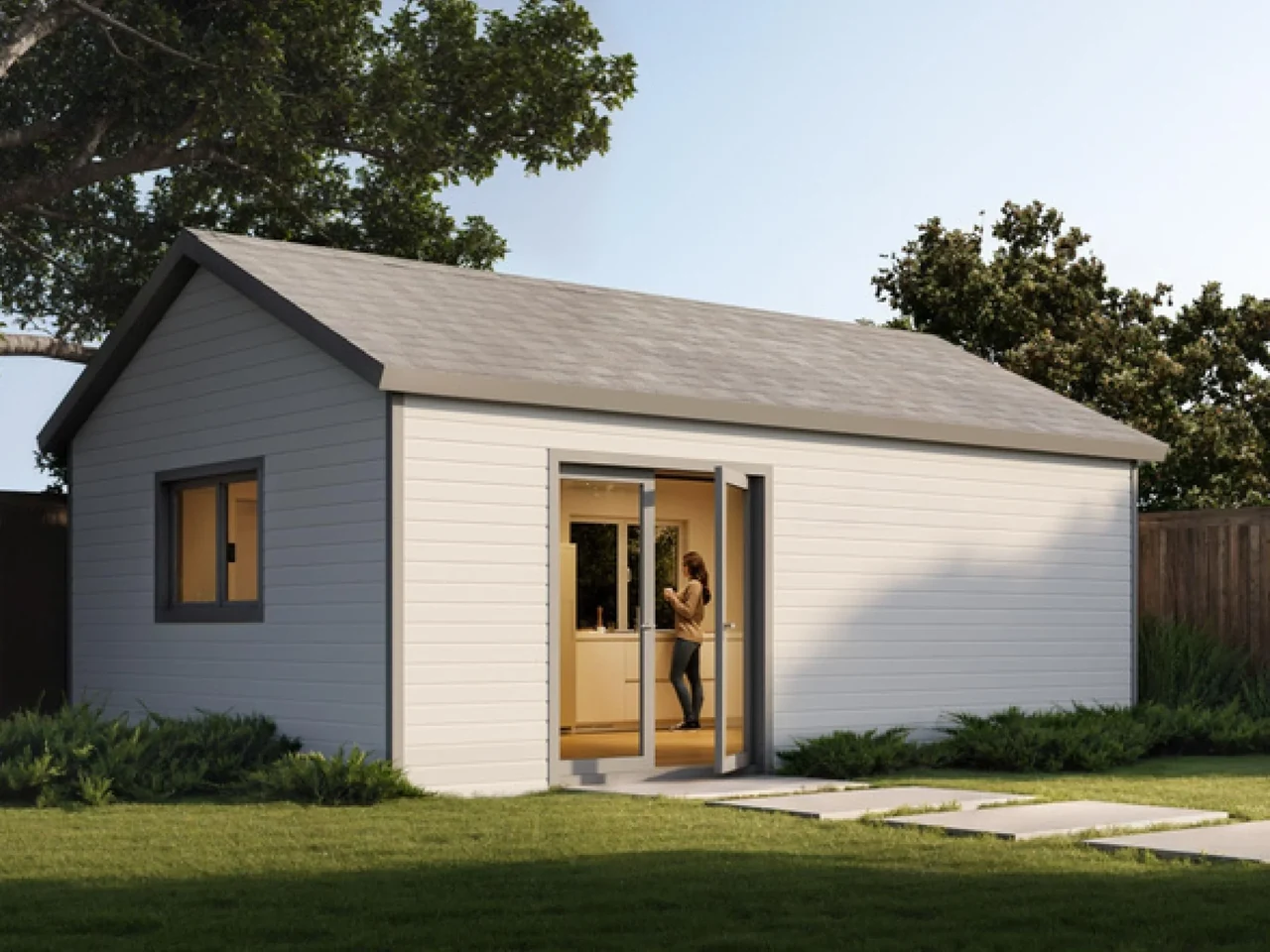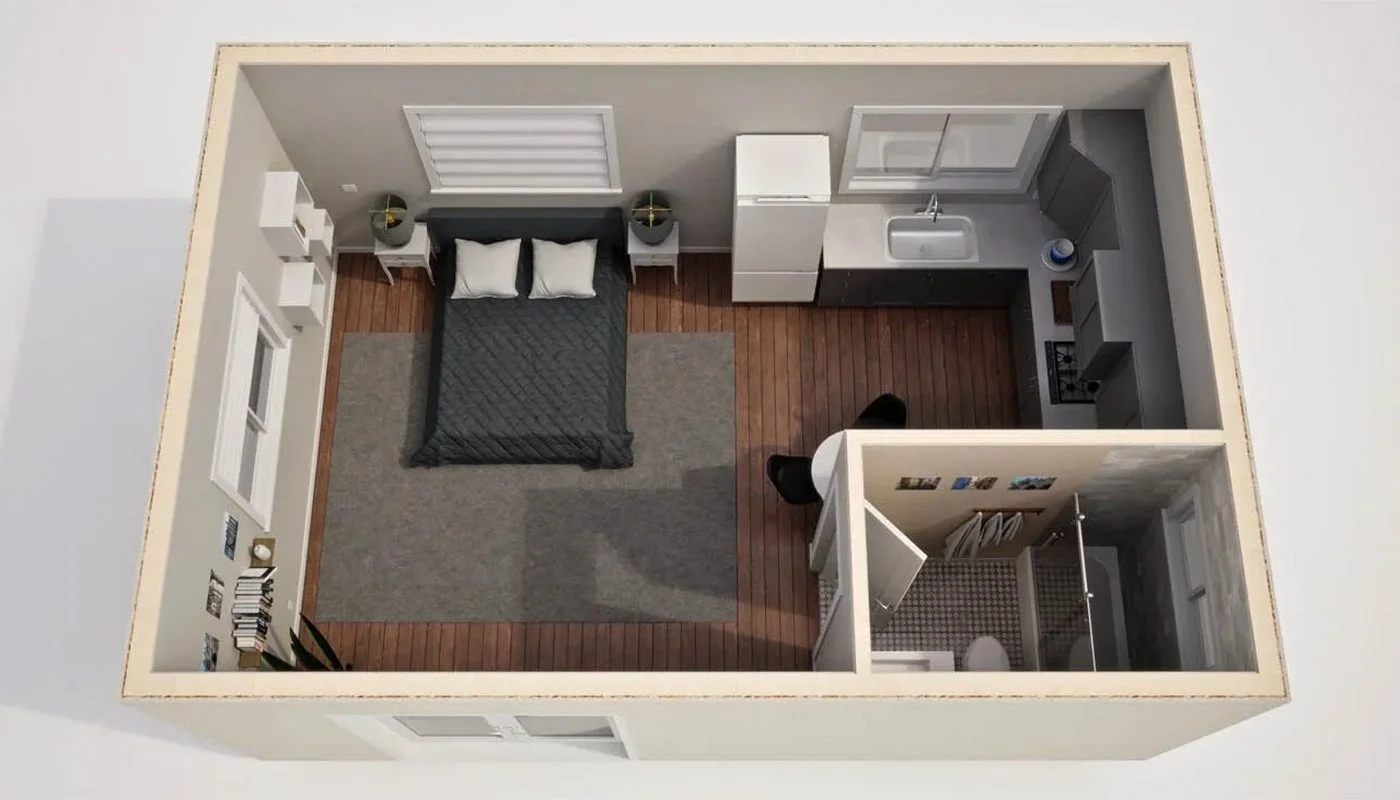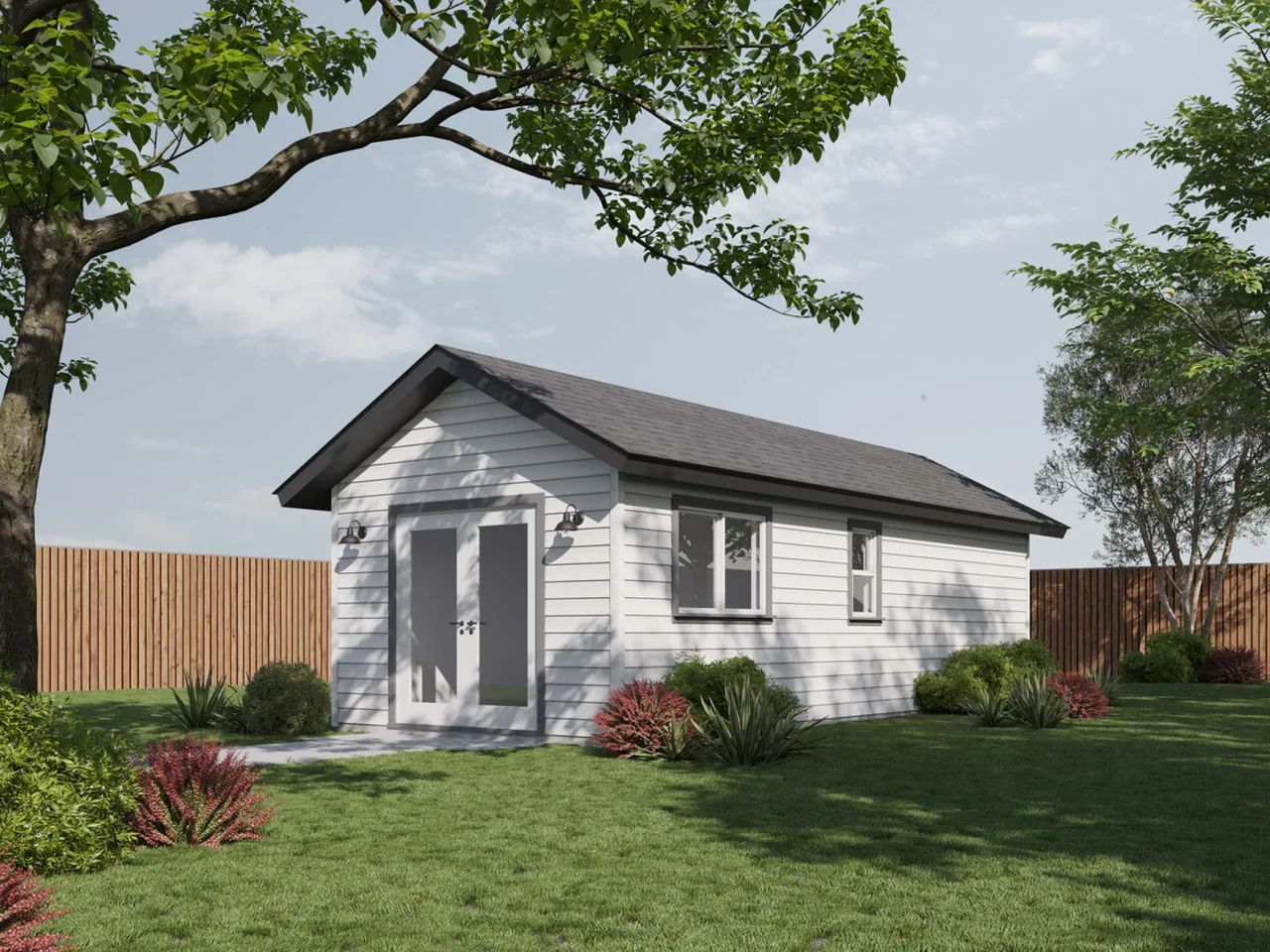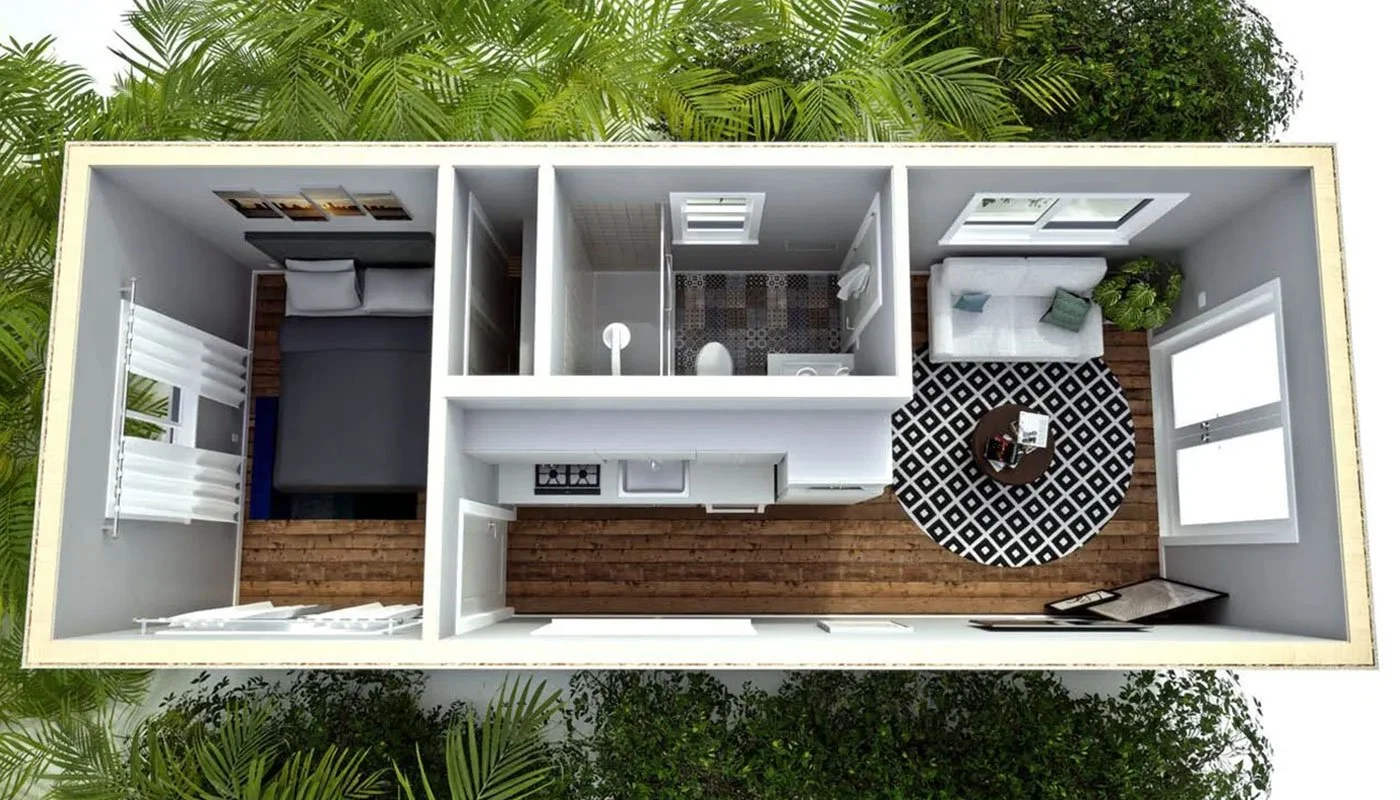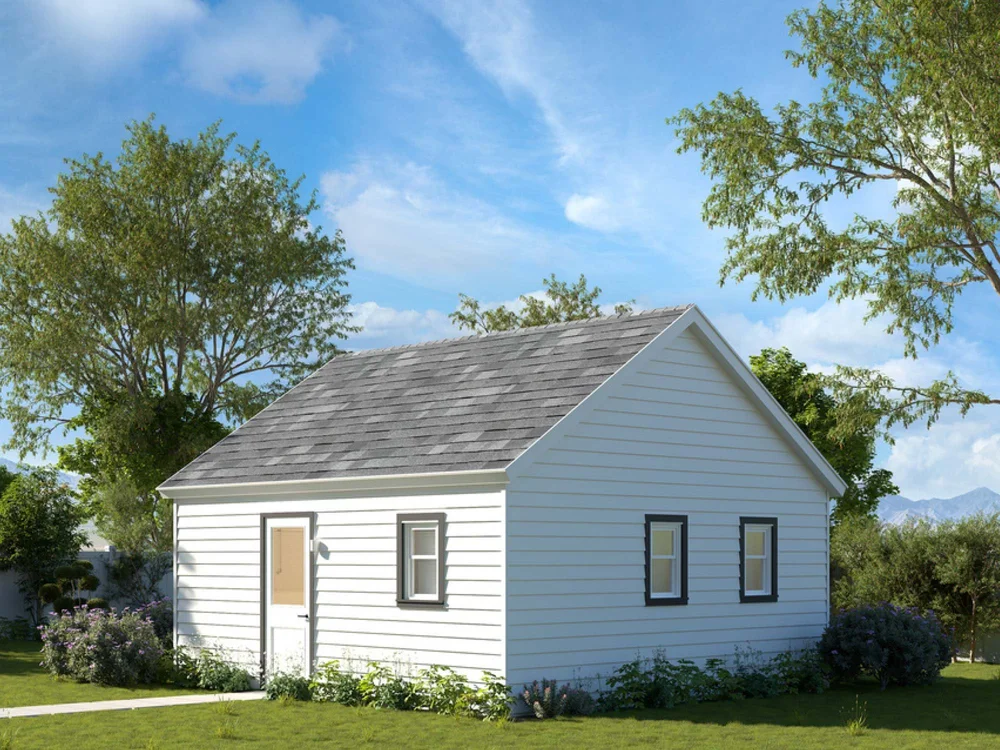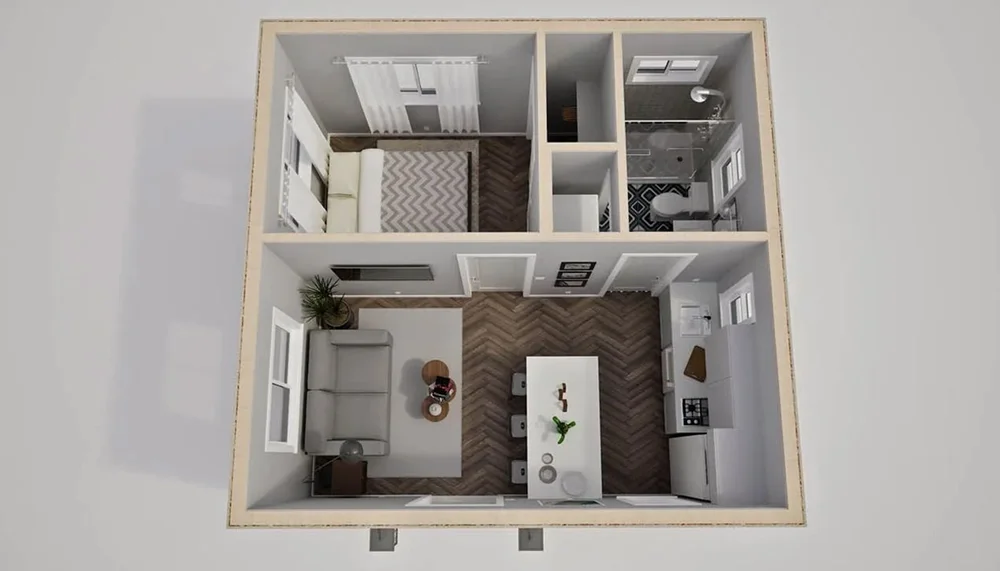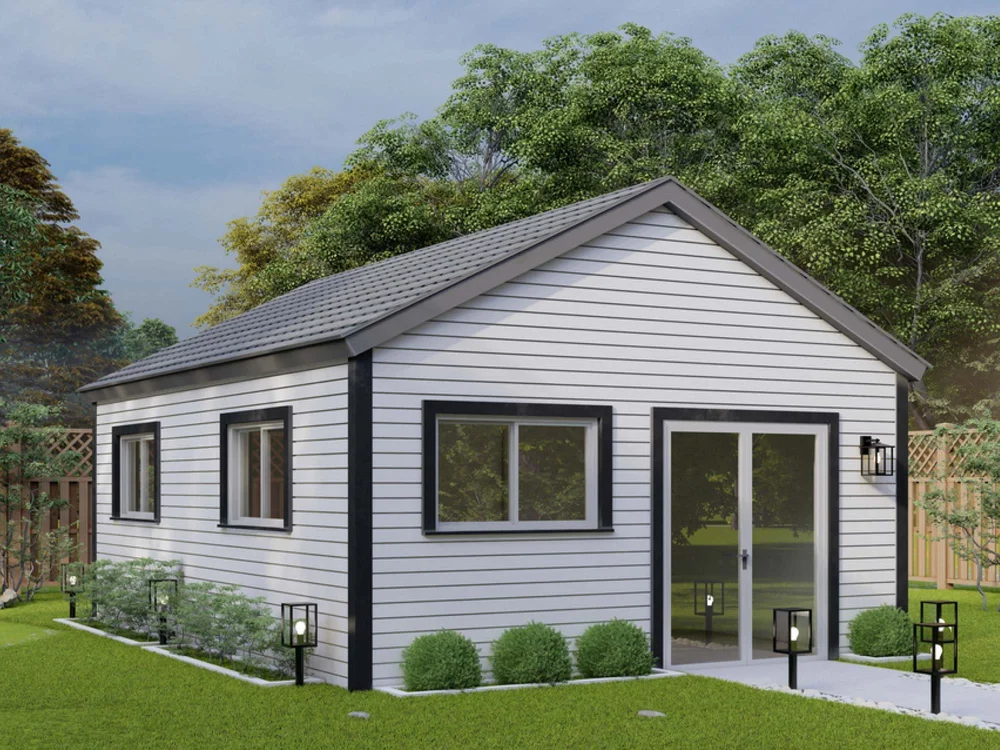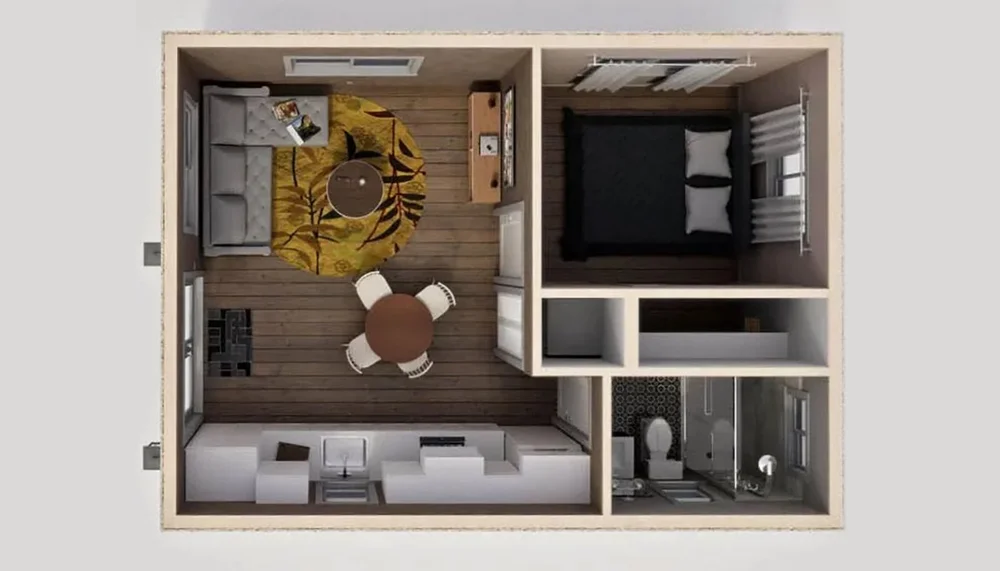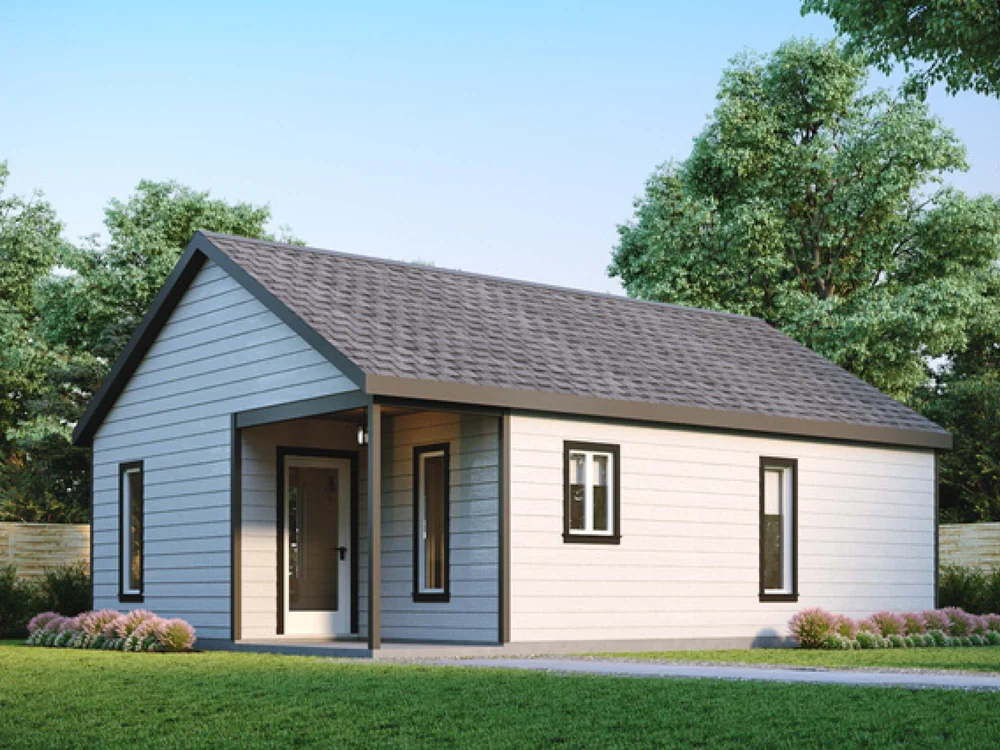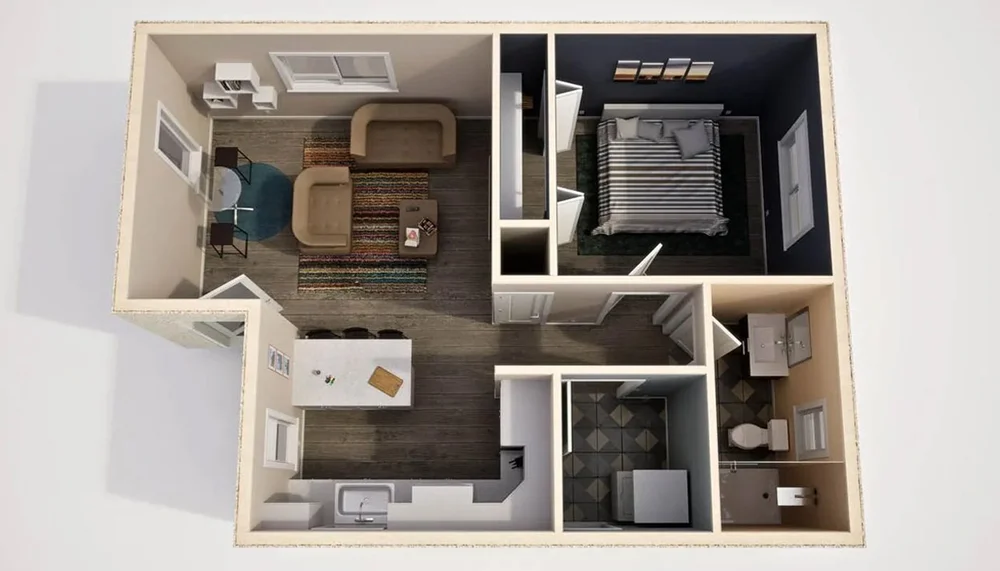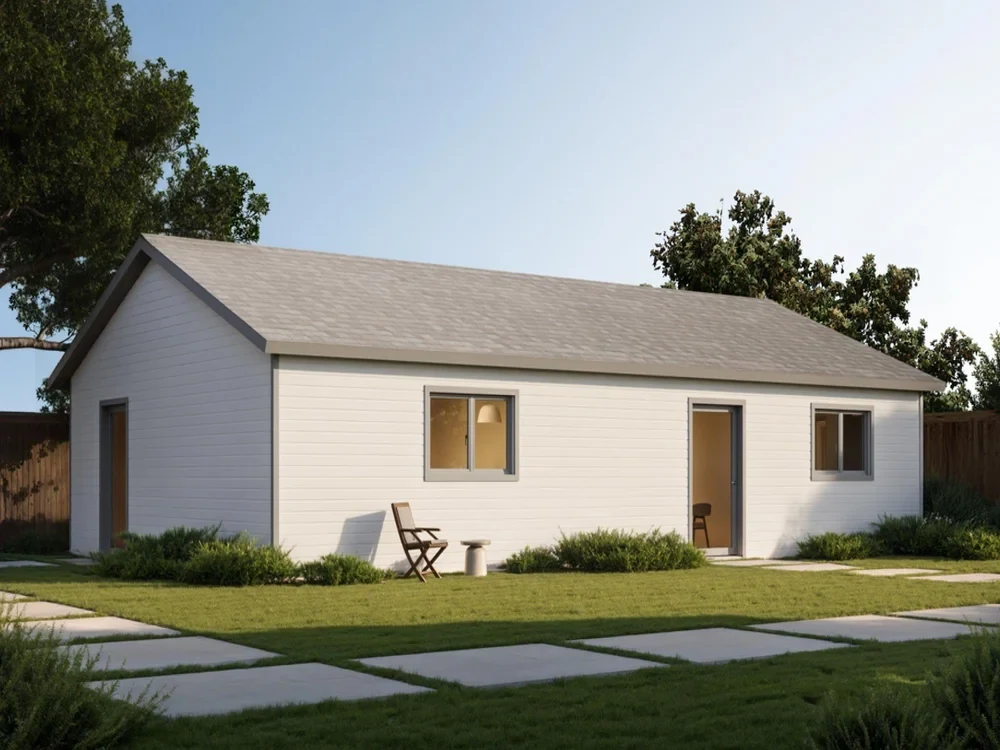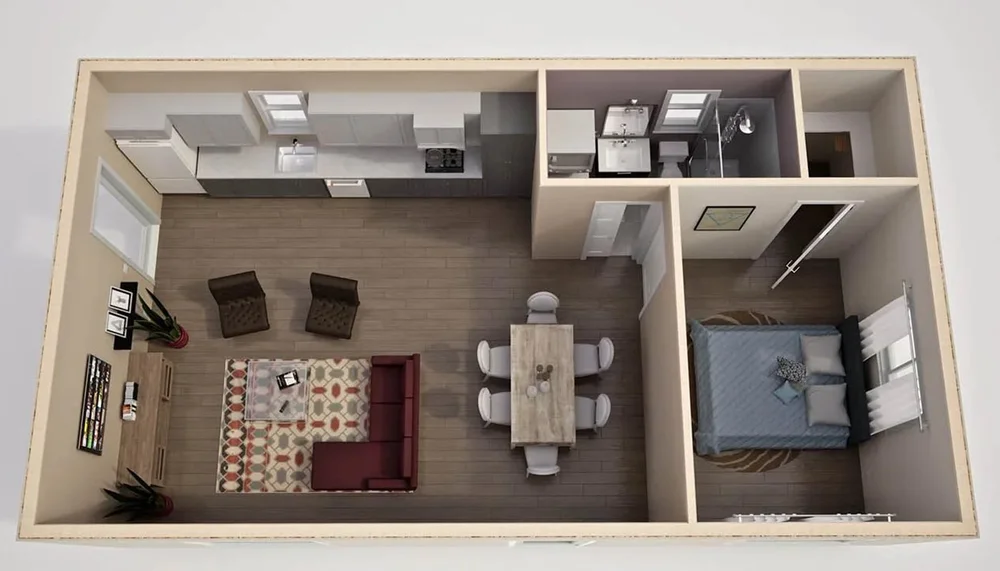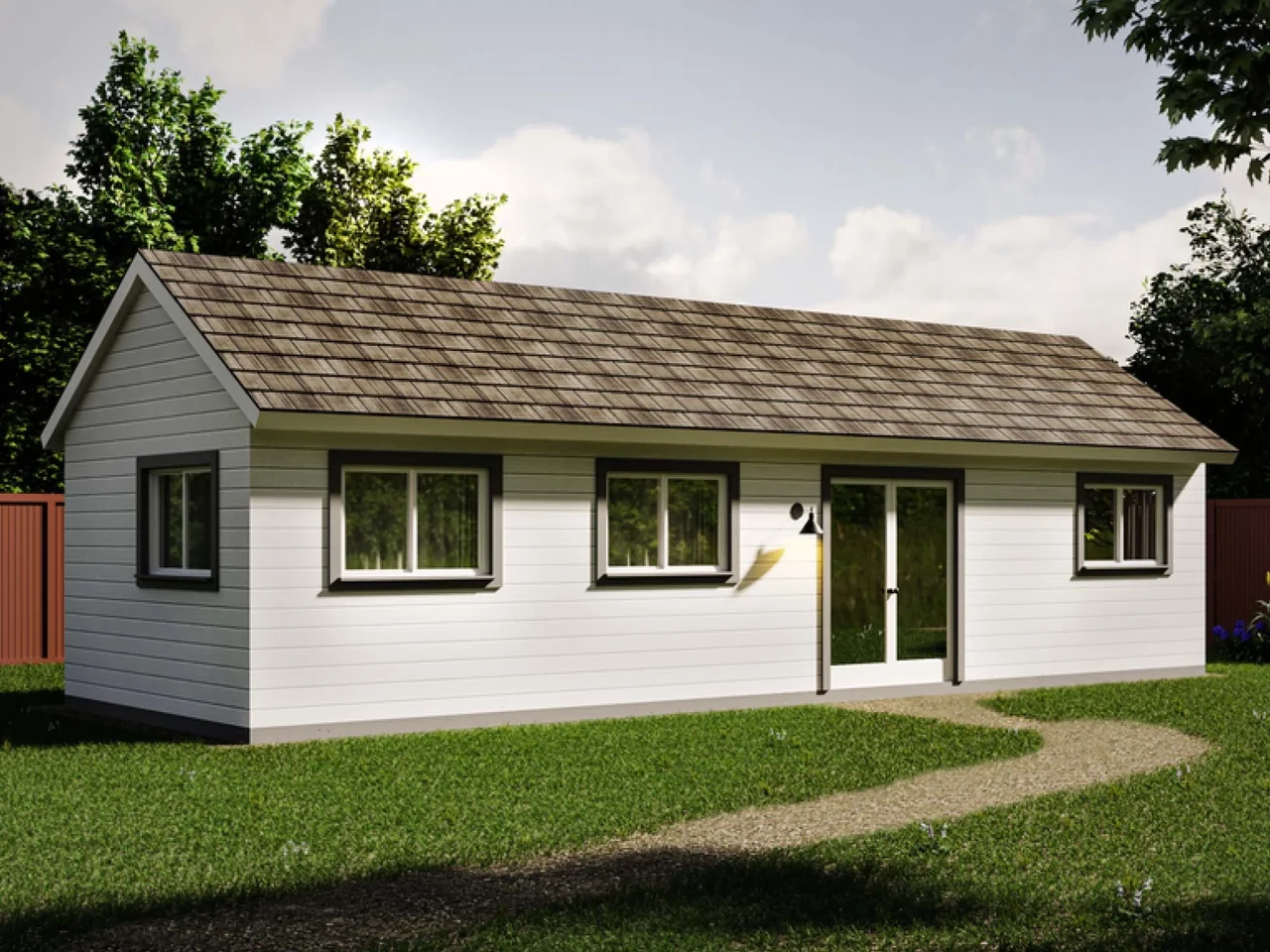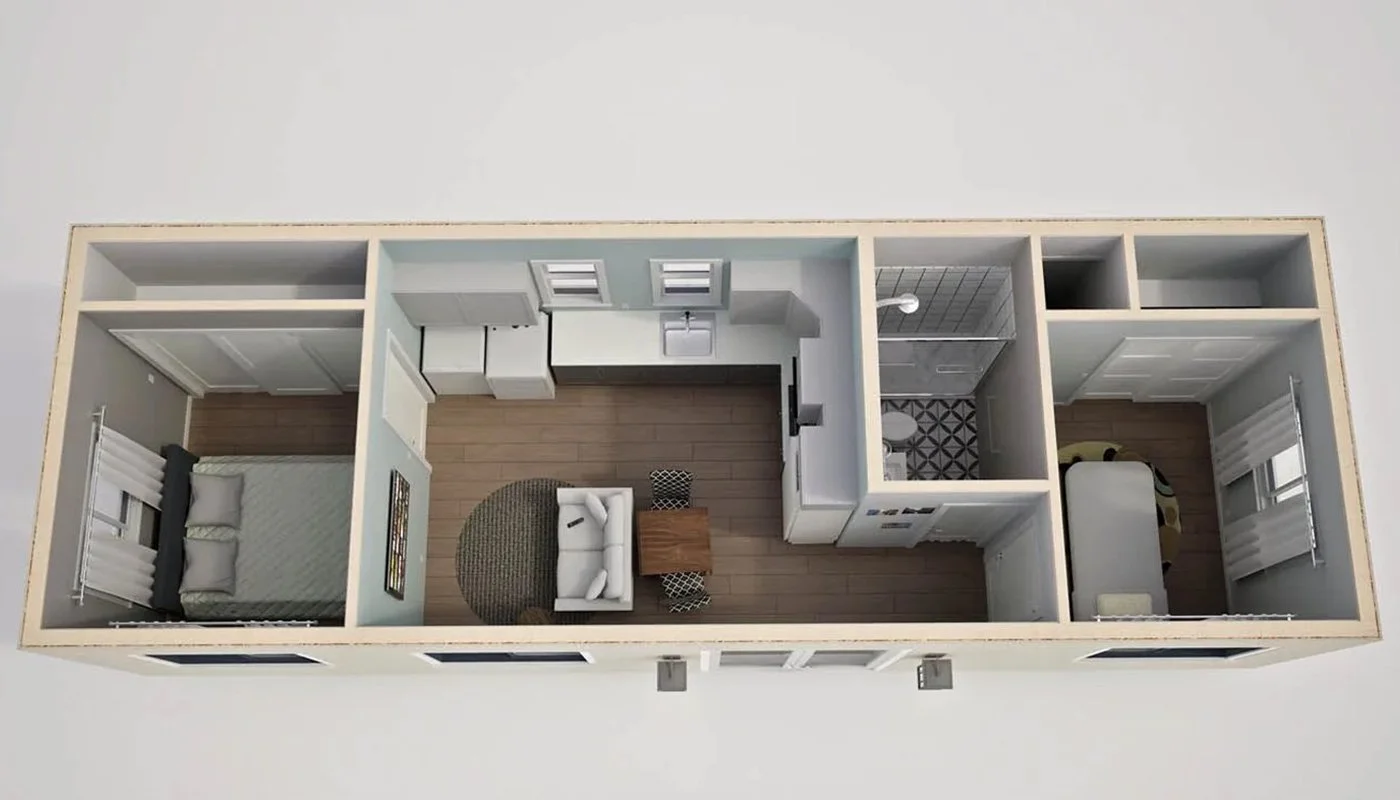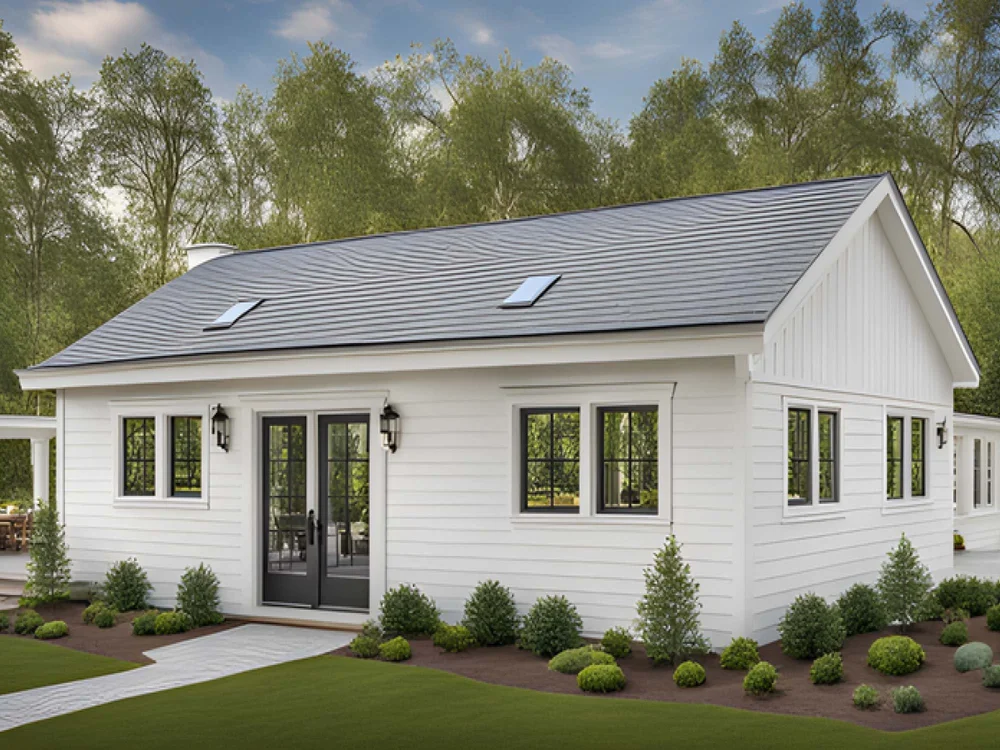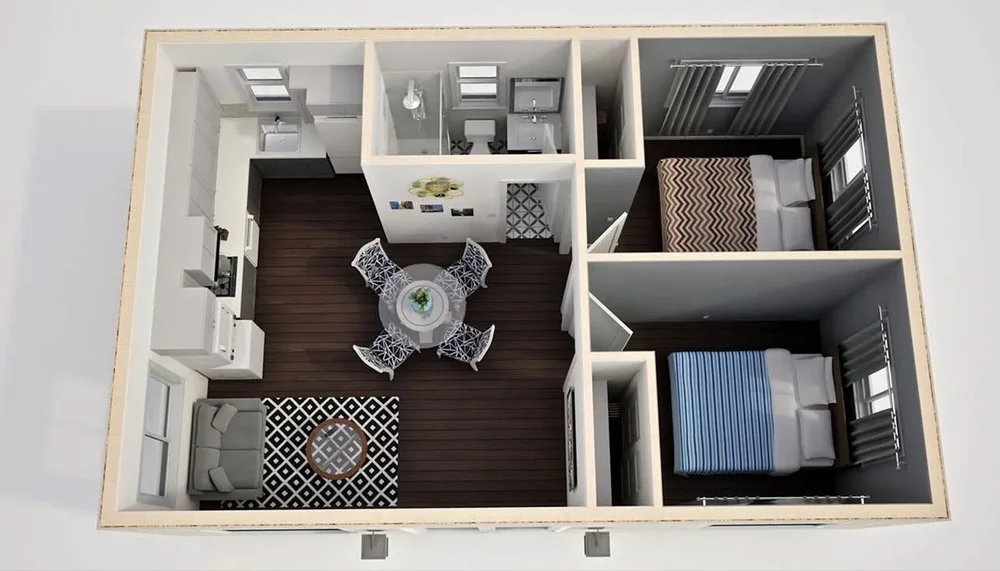
Tiny homes can be surprisingly complex from a legal standpoint. In the Daytona Beach area, zoning rules, building codes, and permitting processes all affect where you can place a tiny home, how you can use it, and whether it is considered legal housing. This page walks through the basics so you can plan your tiny home with fewer surprises.
How Daytona Beach Typically Classifies Tiny Homes
The law does not usually recognize “tiny home” as its own category. Instead, your home will be treated as one of the following:
- Dwelling on a permanent foundation – Treated like a small house; subject to residential zoning and building codes.
- Recreational vehicle (RV) or park model – Treated like a vehicle; rules focus on where it can be parked and how long you can live in it.
- Manufactured or modular home – Factory-built housing that must meet federal or state standards and be placed in approved locations.
Your classification will determine which codes and permits apply, so decide early whether you want a tiny house on wheels or a tiny house on a foundation. For a deeper look at this choice, see Tiny Houses on Wheels vs Foundation.
Key Zoning Questions Around Daytona Beach
Zoning regulations vary by city limits, unincorporated Volusia County, and nearby communities. Before buying land or a tiny home, get clear answers to these questions for the specific parcel you are considering:
1. Is a tiny home allowed in this zoning district?
Ask the local planning or zoning department:
- Is residential use allowed?
- Are small lot homes, accessory dwelling units (ADUs), or guest houses permitted?
- Are RVs or tiny houses on wheels allowed for full-time living, or only for short-term stays?
2. What are the minimum size and lot requirements?
Even if housing is allowed, there may be minimums such as:
- Minimum dwelling size (for example, a minimum square footage for a house)
- Minimum lot size and width
- Setbacks from property lines, streets, and other structures
These rules can affect whether a very small home is realistic on a particular lot.
3. Can a tiny home be an accessory unit?
Some owners place a tiny home behind an existing house as a backyard cottage, in-law suite, or rental. Local rules may:
- Allow accessory dwelling units (ADUs) only in certain zones
- Limit size (for example, a percentage of the main home’s square footage)
- Require owner-occupancy of either the main house or ADU
- Restrict use as a short-term rental
If you are thinking about future rental income, also review Renting Out Your Tiny Home as a Short-Term Rental.
Building Codes vs. Zoning: What’s the Difference?
Zoning answers the question, “Where can this type of structure go?” Building codes answer, “How must it be built to be safe?” You usually need to comply with both.
Common code issues for tiny homes on foundations
- Structural safety – Framing, foundations, anchoring, and hurricane resistance are especially important near the coast.
- Utilities – Electrical, plumbing, and HVAC must meet code and connect safely to city or approved systems.
- Stairs and lofts – Tread depth, riser height, handrails, and emergency egress can be tricky in compact spaces.
- Ceiling height and room size – Minimum clearances and habitable room requirements may limit ultra-low lofts or very narrow rooms.
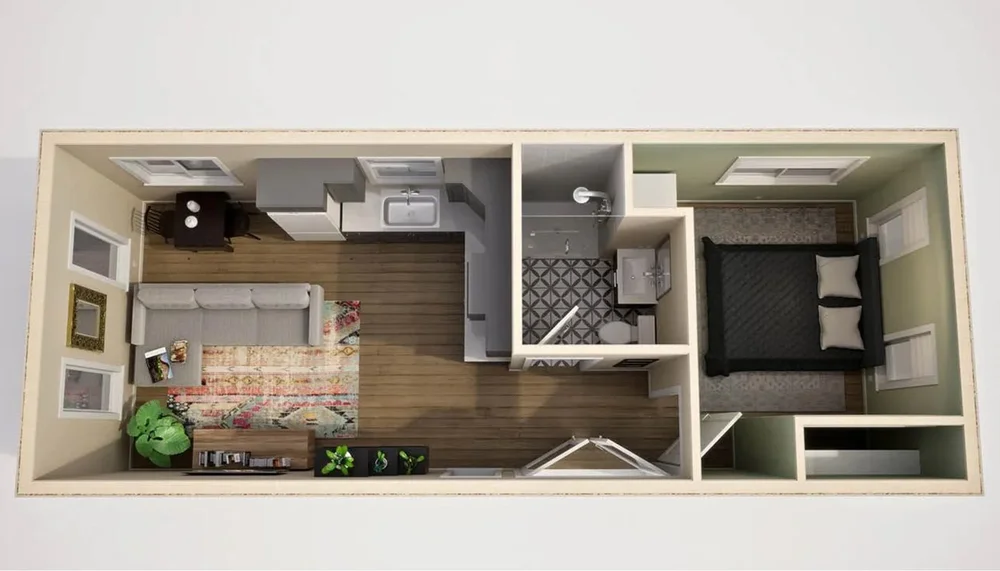
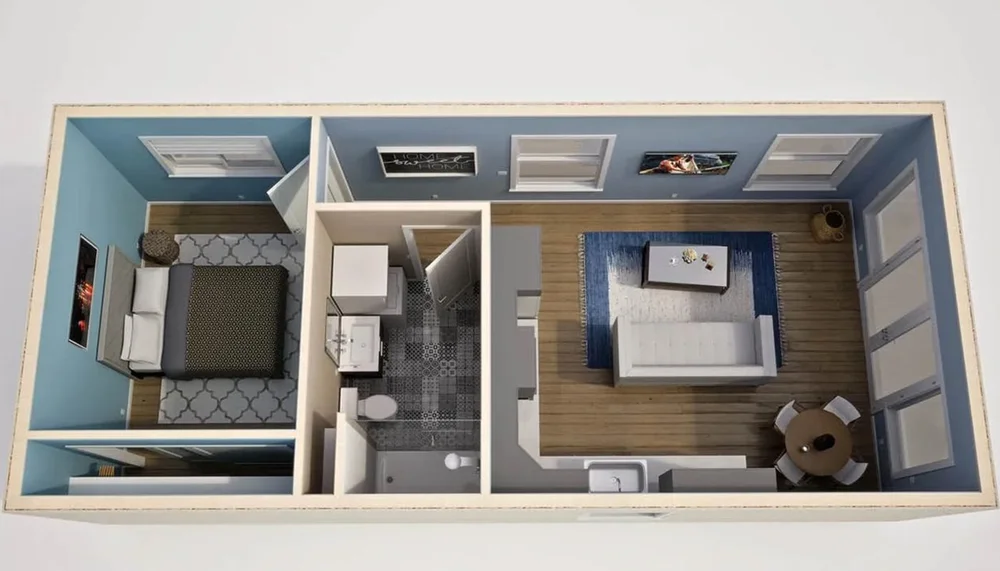
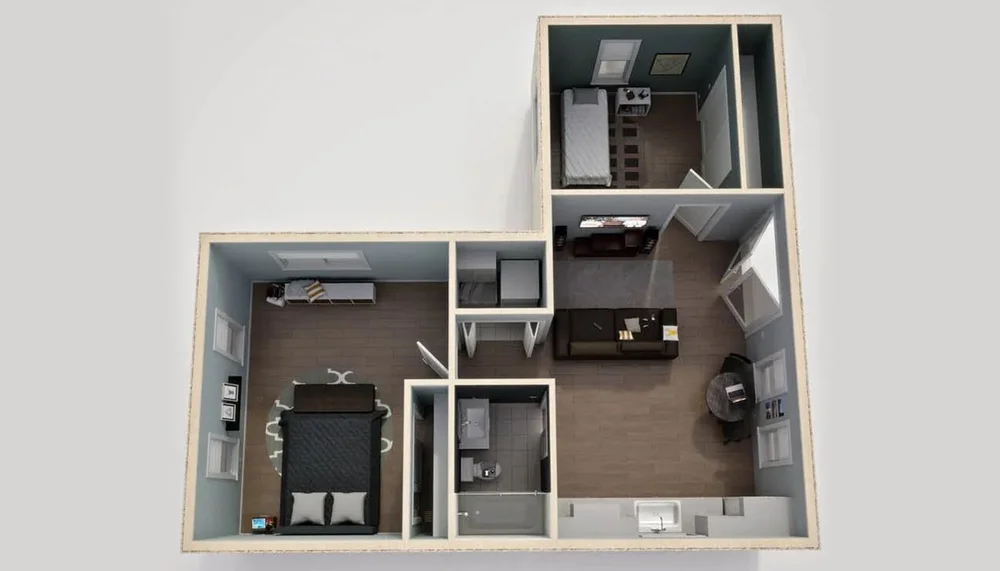
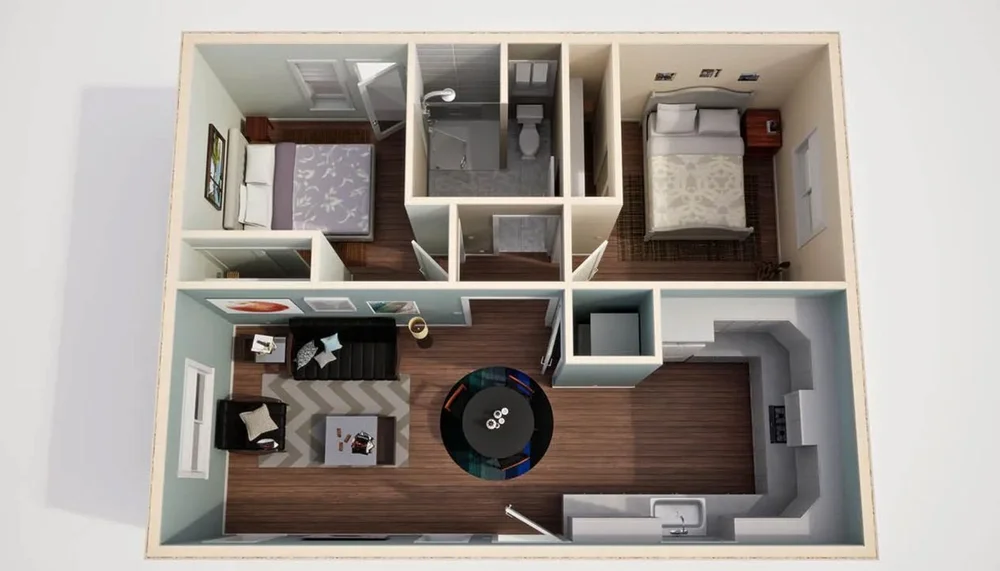
Meeting code can influence your layout. For ideas that work within typical rules, see Tiny Home Floor Plans and Layout Ideas.
Tiny homes on wheels: RV and vehicle standards
If your tiny home is built on a trailer, it might be treated like an RV. That can involve:
- Construction to RV or park model standards
- Registration, titles, tags, and periodic inspections
- Limits on where and how long you can live in it at one location
Some RV parks and tiny home communities around Daytona Beach welcome tiny houses on wheels, while others do not. Research ahead and compare options with the help of Best Tiny Home Communities and Parking Options.
Permits You May Need for a Tiny Home
The exact permits vary by jurisdiction and by whether your tiny home is on a foundation or wheels, but you will often encounter some of the following:
For a tiny home on a permanent foundation
- Building permit – For the structure itself.
- Electrical, plumbing, and mechanical permits – Sometimes separate, sometimes combined.
- Site plan or development review – To confirm setbacks, parking, drainage, and access.
- Driveway or utility connection permits – If you are adding new connections or changing access.
For a tiny home on wheels
- Trailer registration and title – Through the appropriate motor vehicle agency.
- Placement or parking permit – Some localities require a permit for long-term parking on private property.
- RV park or community approval – If you are placing it in a commercial park or tiny home village.
Basic steps to check your permitting path
- Identify the exact property or park where you plan to locate the home.
- Call the local planning or zoning office and describe your plan in simple terms.
- Ask what classification they would apply to your tiny home and what permits others have used in similar situations.
- Confirm whether you will need sealed plans from an engineer or architect.
- Factor timeline and fees into your overall budget; for costs, see Tiny Home Prices and Cost Breakdown.
Common Legal Issues for Tiny Home Owners
Beyond zoning and permits, there are ongoing legal and practical considerations:
Full-time living vs. temporary use
Some areas allow an RV or tiny house on wheels only as a temporary or seasonal dwelling, not as your official full-time residence. Verify:
- How many days per year you can occupy an RV or movable tiny home
- Whether you can receive mail and claim the address as your legal residence
- Any special rules tied to flood zones or coastal high hazard areas
Short-term rentals and guests
If you plan to host guests or rent your tiny home:
- Check local short-term rental regulations and registration requirements.
- Confirm parking, noise, and occupancy limits.
- Talk to your insurance provider about coverage, or review Tiny Home Insurance and Warranties Explained.
Storm safety and anchoring rules
In a coastal area, anchoring, tie-downs, and elevation requirements may apply, especially in mapped flood zones. For a bigger-picture look at these safety issues, see Tiny Home Safety: Storms, Flooding, and Anchoring.
Practical Checklist Before You Commit
Use this quick checklist as you move from idea to action:
- Decide whether you want a tiny home on wheels or a foundation.
- Choose a target property or community early rather than planning the home in isolation.
- Call the relevant city or county zoning office and ask how similar projects have been handled.
- Confirm minimum size, setbacks, and allowed uses for the property.
- Ask what permits and inspections will be required, and in what order.
- Speak with a builder experienced in tiny homes about designing to meet local codes. For guidance, read How to Choose a Reputable Tiny Home Builder.
- Review insurance, financing, and exit strategies so your legal and financial picture is complete. Helpful resources include Financing a Tiny Home: Loans, Mortgages, and Alternatives and Resale Value and Exit Strategies for Tiny Home Owners.
Frequently Asked Questions About Tiny Home Legality
Can I just park a tiny home in a friend’s Daytona Beach backyard?
That depends on both local zoning rules and any neighborhood covenants. Some areas prohibit living in an RV or movable tiny home on residential lots, while others may allow it as a guest house or ADU with a permit. Always verify with the local planning office rather than relying on what others have done informally.
Do I need a lawyer to go tiny?
Many people navigate tiny home regulations without an attorney by working directly with planning and building officials. However, if you face unclear rules, plan to invest significant money, or want to challenge a restriction, local legal advice can be helpful. At a minimum, be sure you understand any contracts with builders, land sellers, and community or park owners.
Where can I learn more before making decisions?
If you are at the research stage, a good starting point is the Tiny Homes for Sale Daytona Beach Buyer’s Guide and the articles on the Blog / Guides page. As you narrow down your plan, you can always reach out through the site’s Contact page for more guidance or to explore quotes and options.