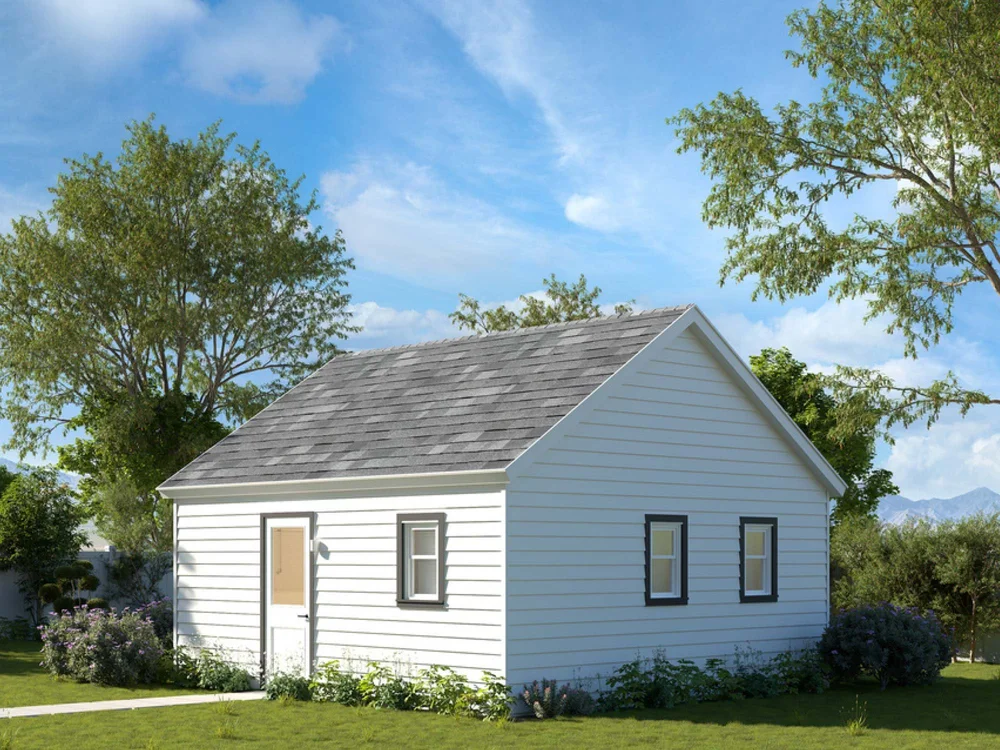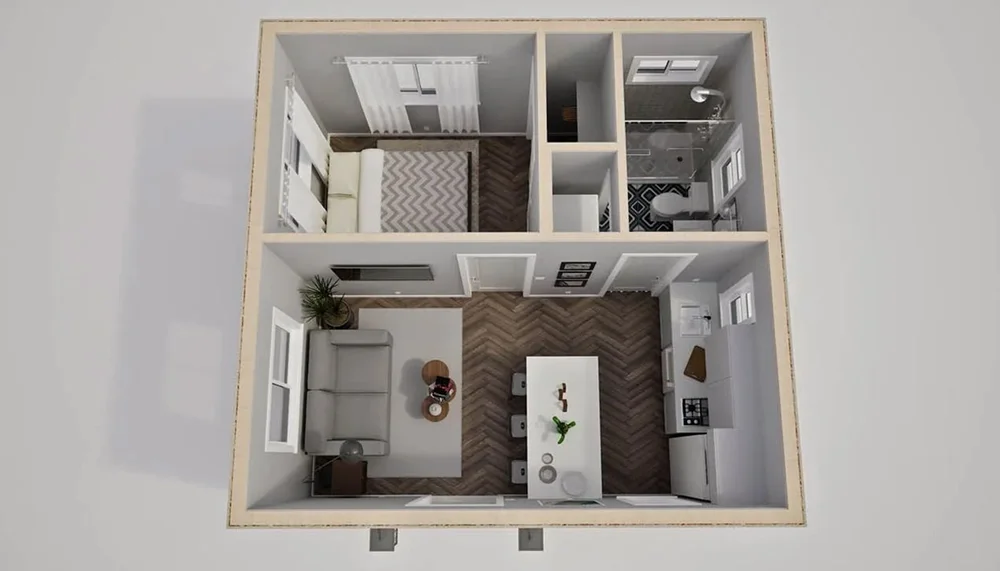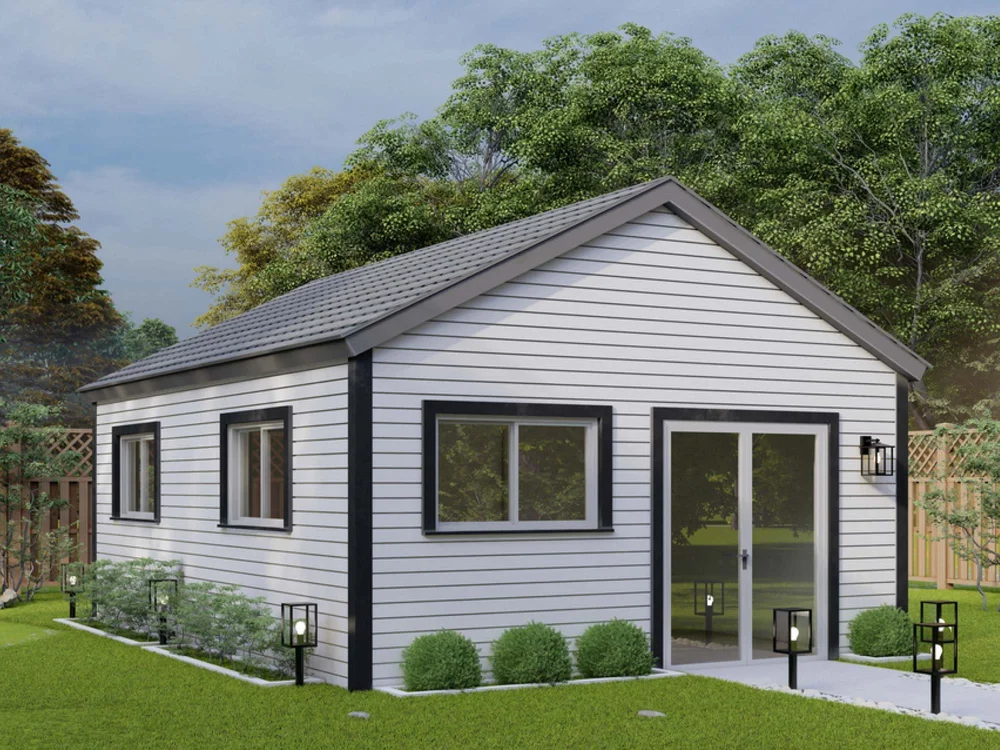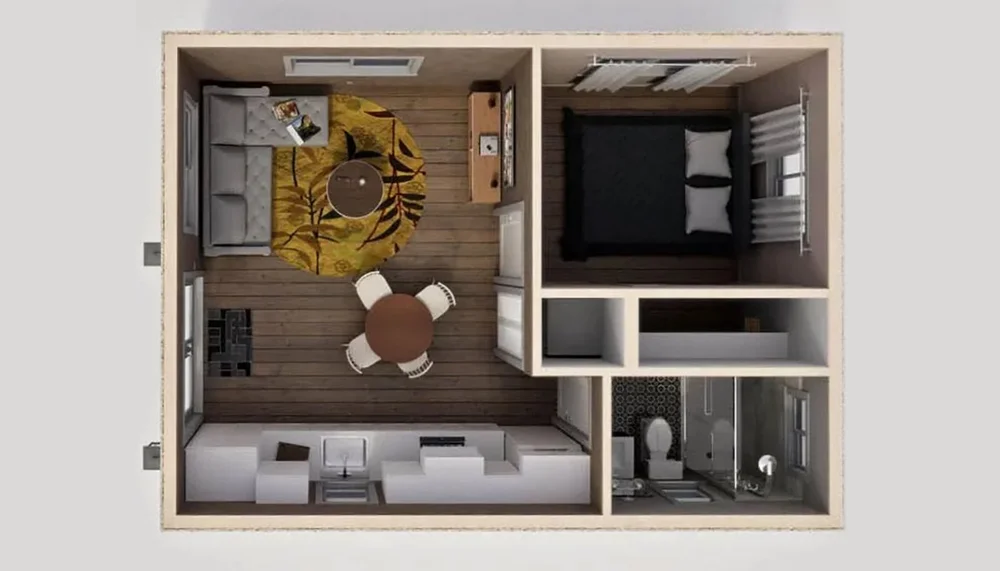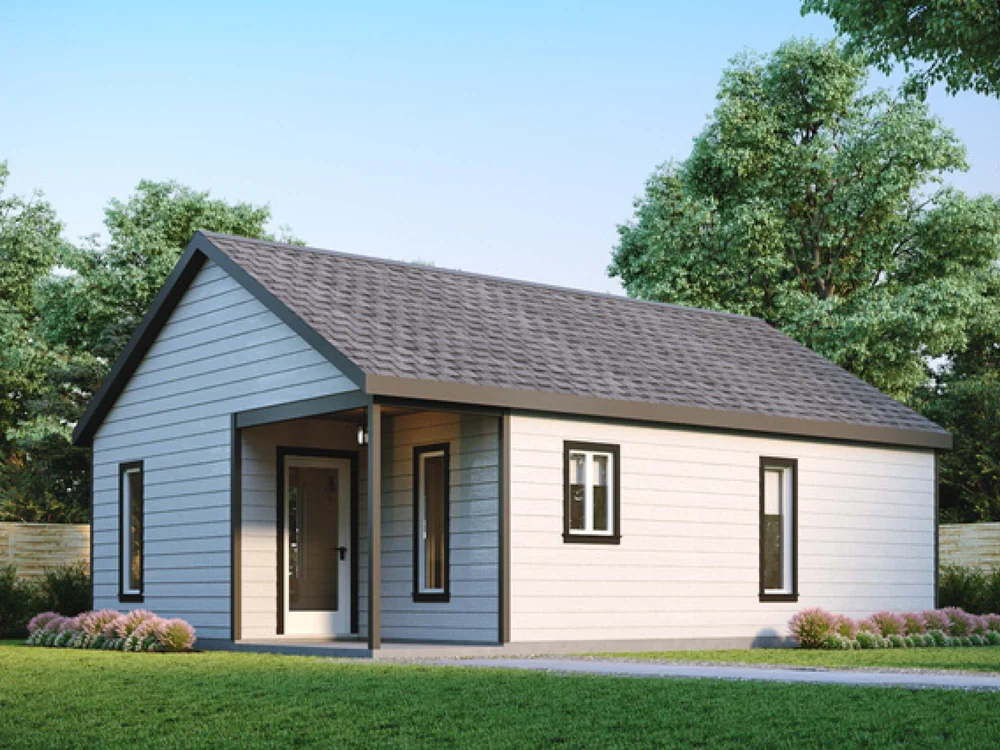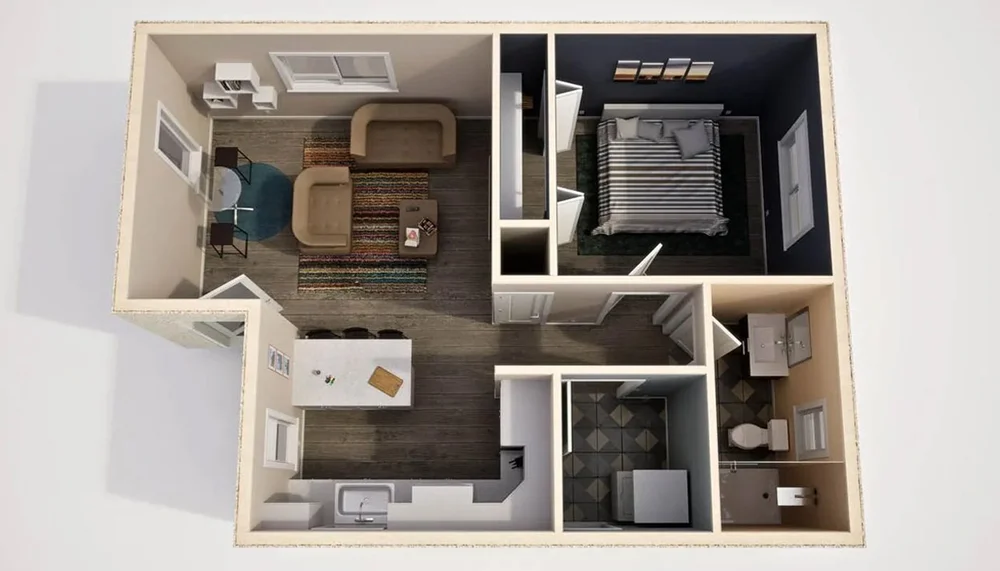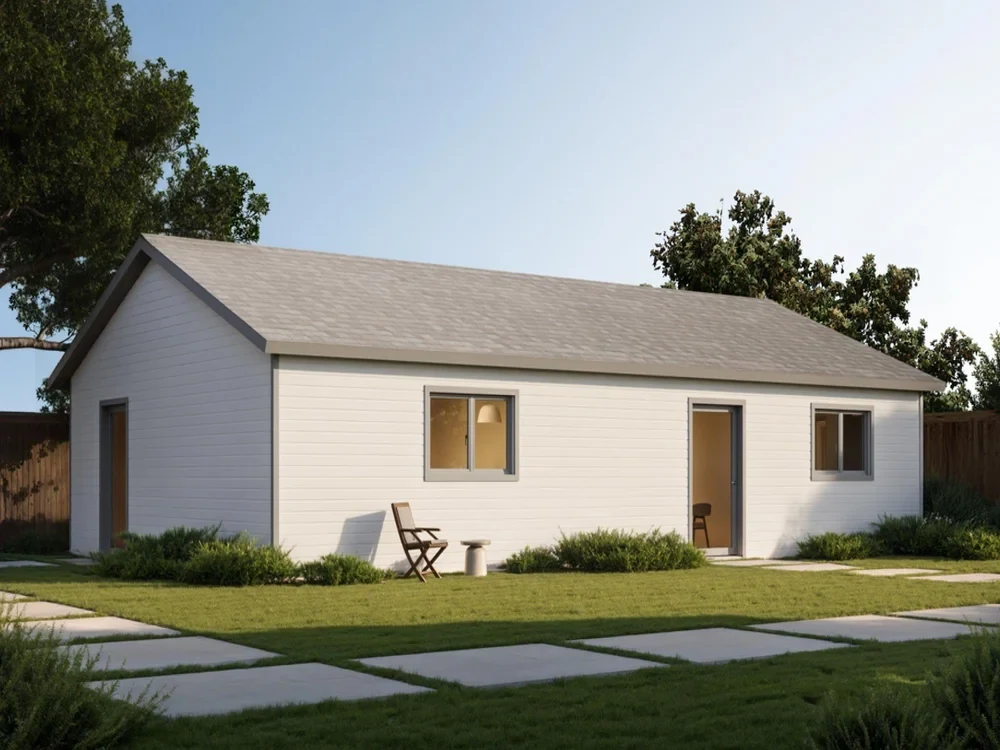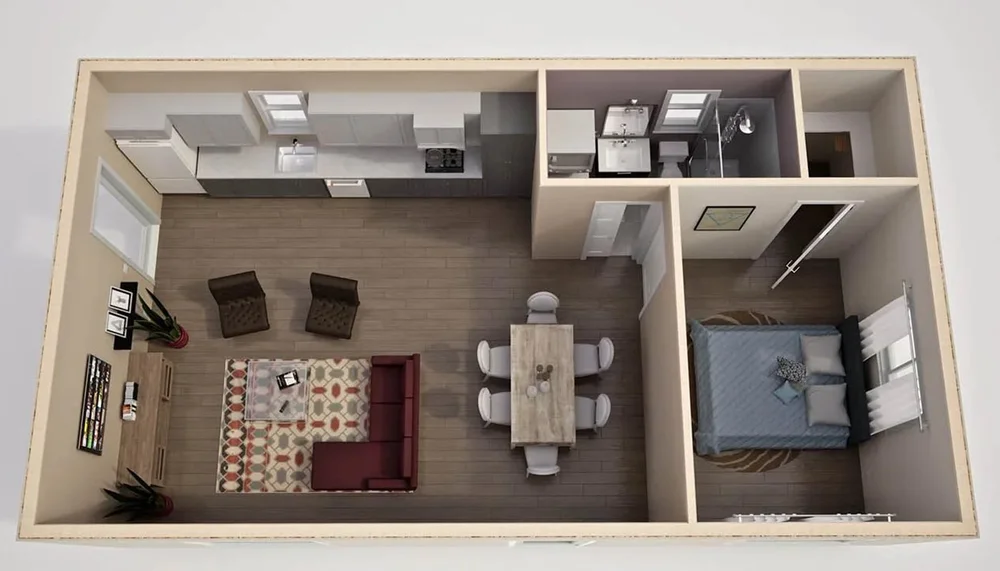
If you are deciding between a tiny home and a condo in or around Daytona Beach, the right choice comes down to lifestyle, flexibility, and what you can comfortably afford long term. Both options offer compact, lower-maintenance living, but the trade-offs are very different. This page walks through those differences so you can choose what actually fits your day-to-day life and budget.
Tiny Homes vs Condos at a Glance
Both tiny homes and condos can be great for downsizing, simplifying, or living closer to the beach. The main differences usually come down to:
- How much flexibility you want in where you live
- How much you’re willing to spend on HOA or lot fees
- How important land ownership and privacy are to you
- Your comfort level with maintenance, rules, and shared spaces
| Factor | Tiny Home | Condo |
|---|---|---|
| Typical size | 100–400 sq ft | 500–1,200+ sq ft |
| Ownership | Home only, or home + land (varies) | Unit ownership + share of common areas |
| Location flexibility | High (especially on wheels) | Very low (fixed unit) |
| Monthly fees | Lot rent or community fees may apply | HOA/condo fees are common |
| Privacy | Fewer shared walls, more detached options | Shared walls, hallways, parking |
| Rules & restrictions | Zoning + park/community rules | HOA rules and bylaws |
Upfront Costs: What You’ll Pay to Get In
In the Daytona Beach area, prices can vary a lot, but there are some general patterns that can help you compare.
Tiny Home Purchase Costs
Tiny homes usually cost less than condos overall, especially if you are comfortable with a smaller footprint and a simple layout. Your total entry cost depends on whether you buy land, place your home in a tiny home community, or park in an RV-style setting.
Useful resources to explore pricing details and trade-offs include:
- Tiny Home Prices and Cost Breakdown
- New vs Used Tiny Homes: Pros, Cons, and Pricing
- Custom-Built vs Pre-Built Tiny Homes
Condo Purchase Costs
With a condo, you are paying for a larger unit and the building’s shared amenities. The sticker price may be higher than for a tiny home, but traditional mortgage financing can be easier to arrange, especially with conventional lenders who are more familiar with condos than tiny homes.
Financing Considerations
Financing is often one of the biggest deciding factors:
- Tiny homes may be financed through RV loans, personal loans, specialty tiny home loans, or, if on a foundation and meeting code, some mortgage products. See Financing a Tiny Home: Loans, Mortgages, and Alternatives for common options.
- Condos typically use standard mortgages, though some buildings have financing restrictions based on HOA financials or occupancy rules.
Monthly Costs and Ongoing Expenses
Looking beyond the purchase price, it is important to understand what each option will cost you every month.
Tiny Home Monthly Costs
- Lot rent or land costs: If your tiny home is in a community or RV park, expect a monthly site fee. If you own land, you’ll have property taxes instead.
- Utilities: Power, water, sewer, and trash. Off-grid or solar-ready setups can change this. See Off-Grid and Solar-Ready Tiny Homes.
- Insurance: Depends on whether your home is on wheels or a foundation. Learn more at Tiny Home Insurance and Warranties Explained.
- Maintenance: Smaller space generally means lower costs, but coastal weather still affects roofs, siding, and anchors. See Maintenance and Upkeep Costs for Tiny Homes.
Condo Monthly Costs
- Mortgage payment: Principal and interest on your condo loan.
- HOA fees: Cover building maintenance, amenities, landscaping, and reserves. Beach-area condos may have higher fees due to salt-air wear and shared facilities.
- Utilities: Sometimes partially included in HOA, sometimes separate.
- Special assessments: Extra, time-limited charges for big projects such as roof or elevator replacement.
Lifestyle and Space: How You Actually Live Day to Day
Choosing between a tiny home and a condo is not just about money. It is also about how you like to live in your space.
When a Tiny Home Fits Better
A tiny home can be a great match if you:
- Value minimalism and are ready to downsize your belongings (see Downsizing Checklist for Moving Into a Tiny Home)
- Prefer a detached space without shared walls
- Want the option to relocate within Florida or beyond
- Enjoy outdoor living, decks, and patios as “extra rooms”
- Are comfortable with a smaller kitchen, bathroom, and sleeping area
If you have pets or a family, you’ll want to think carefully about layout and storage:
- Pet-Friendly Tiny Living: Designing for Dogs and Cats
- Families in Tiny Homes: What to Know Before You Buy
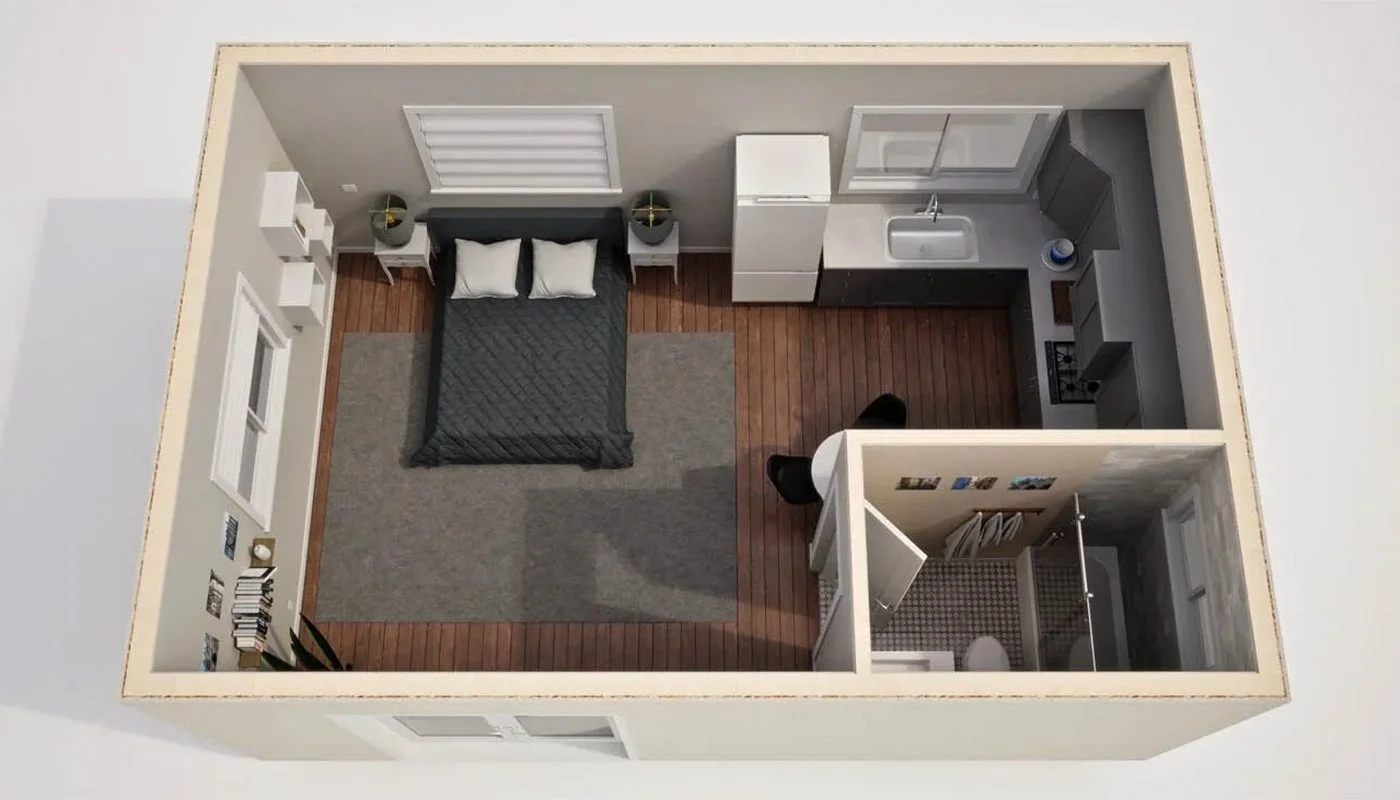
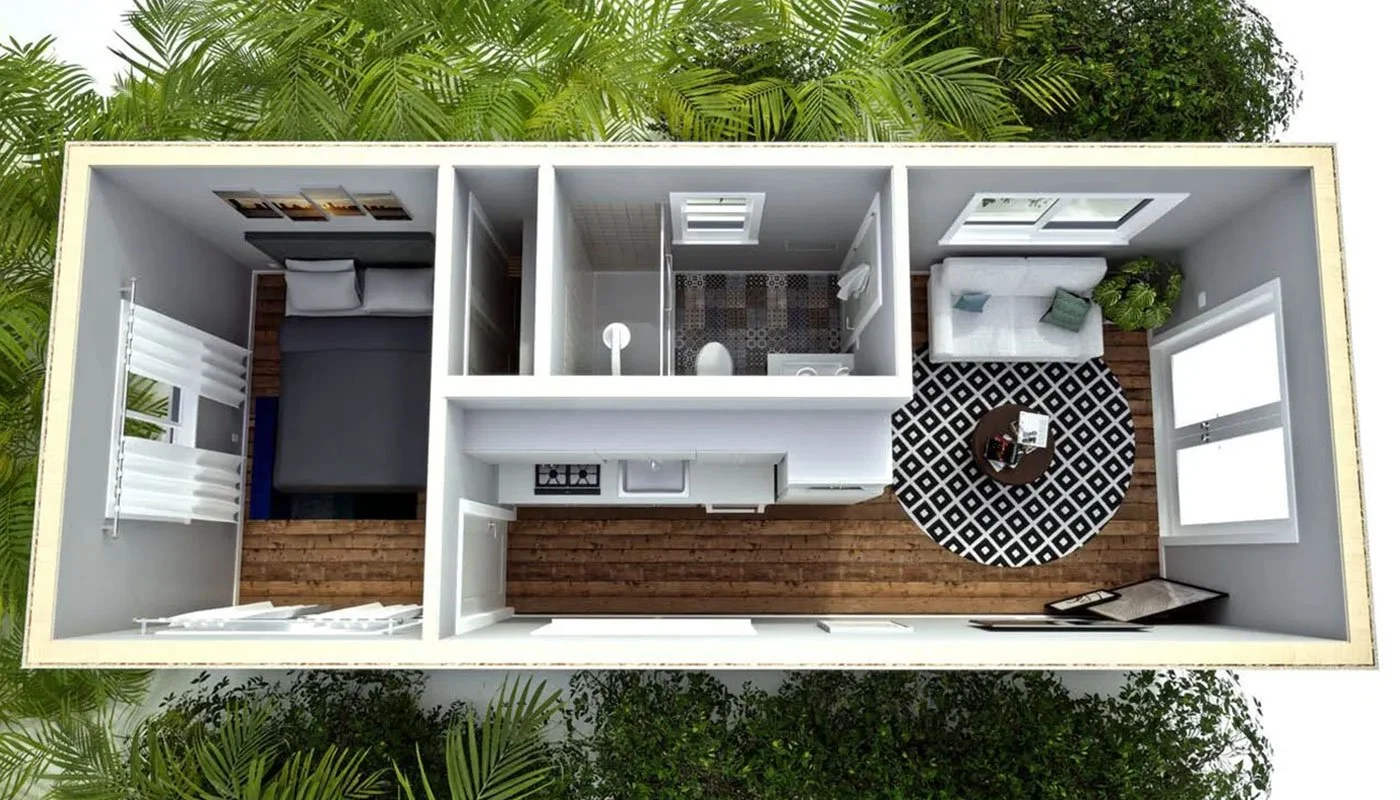
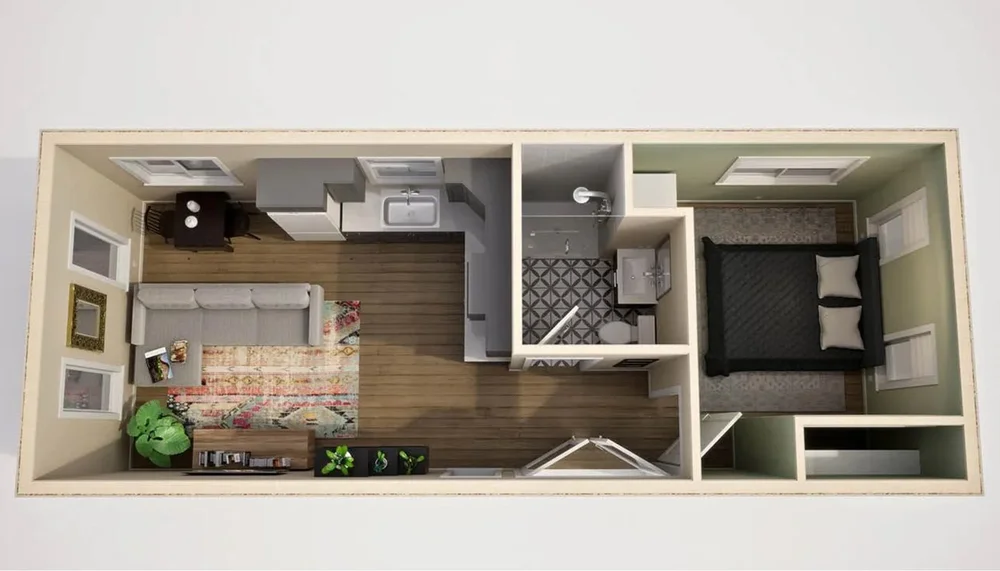
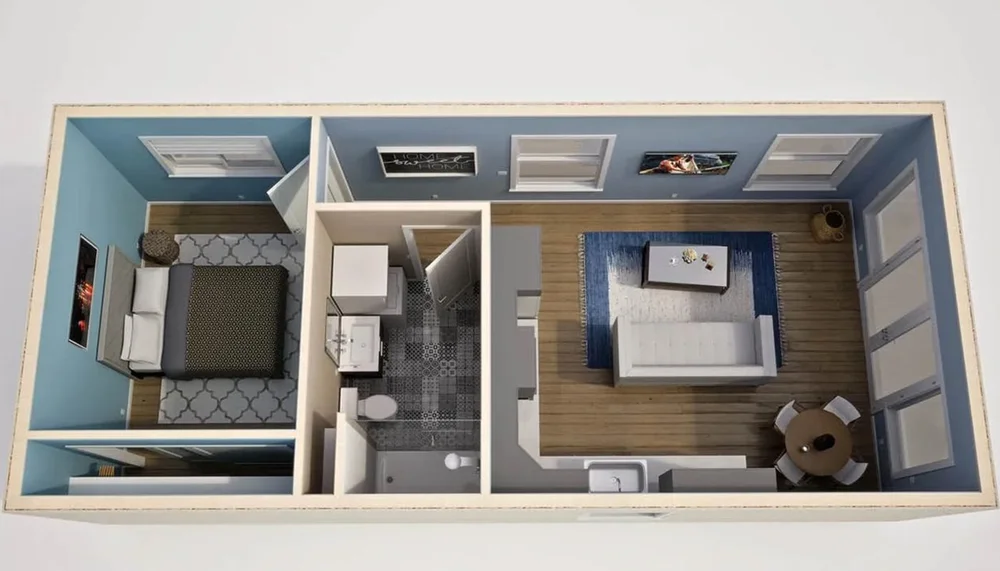
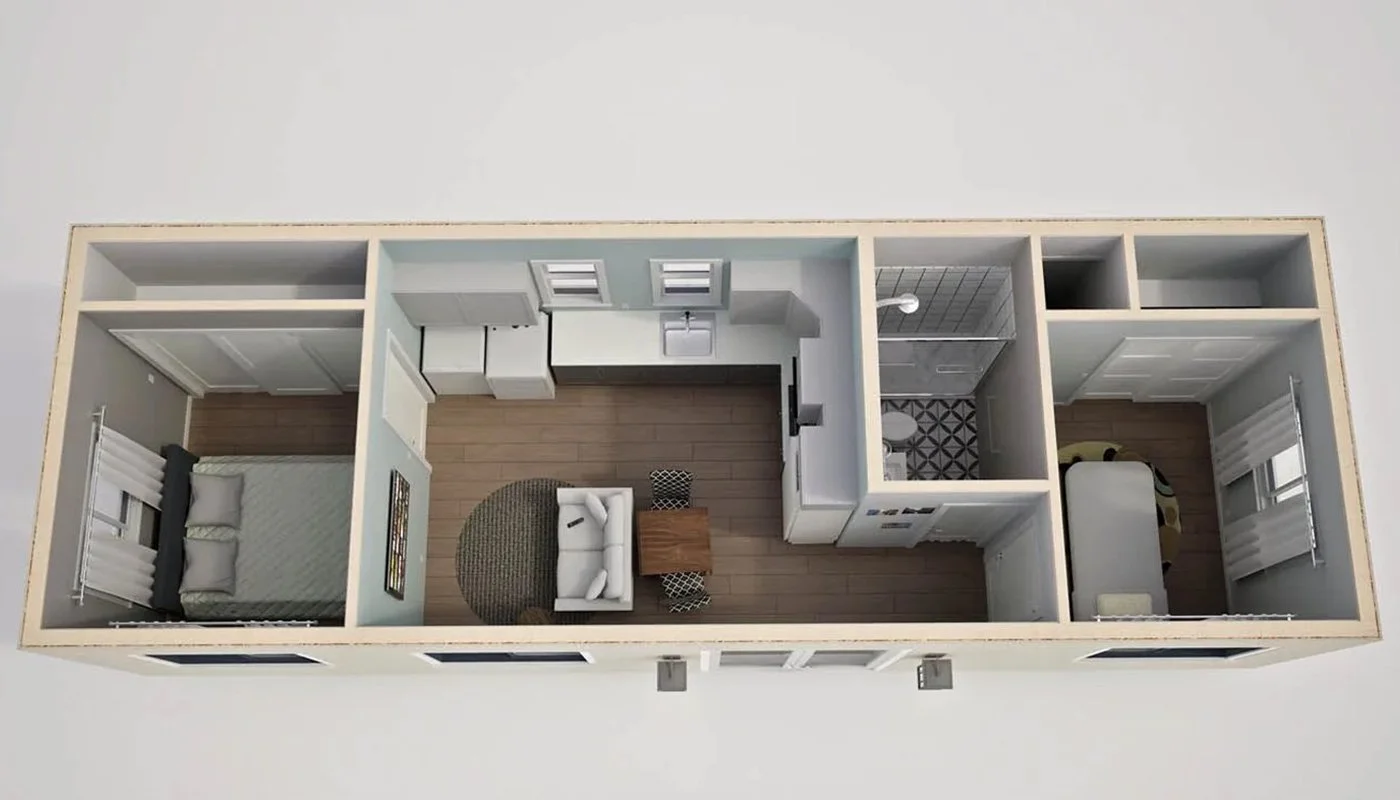
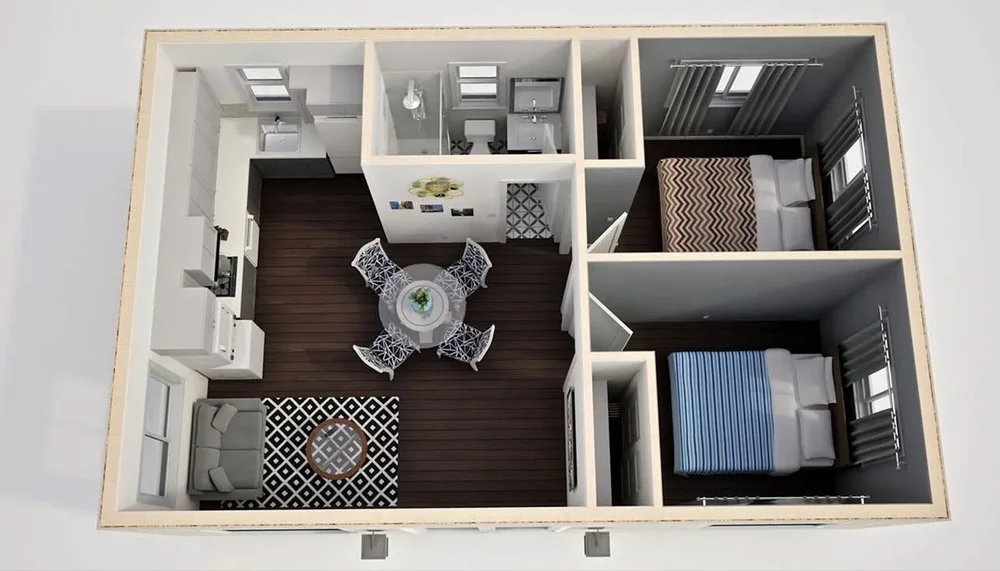
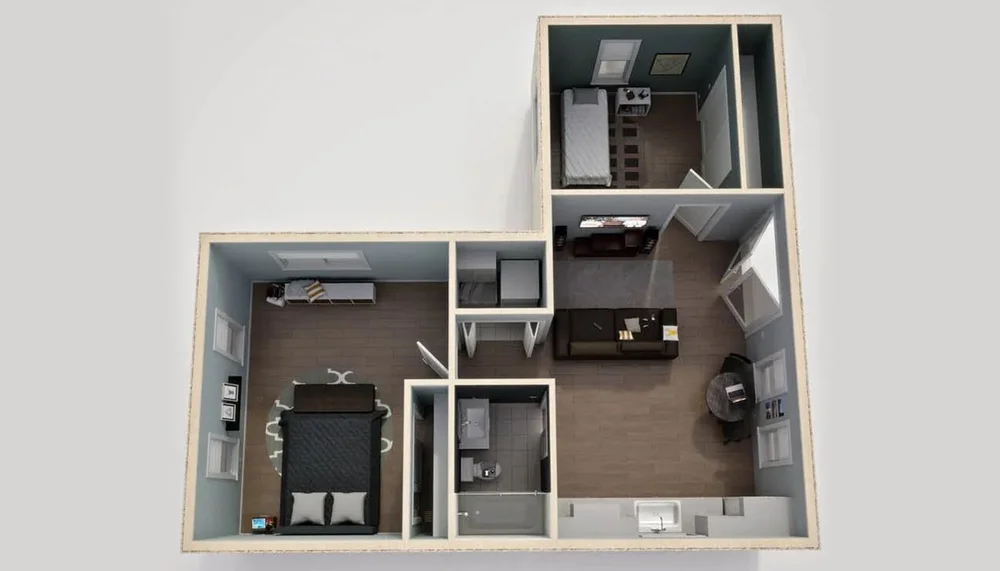
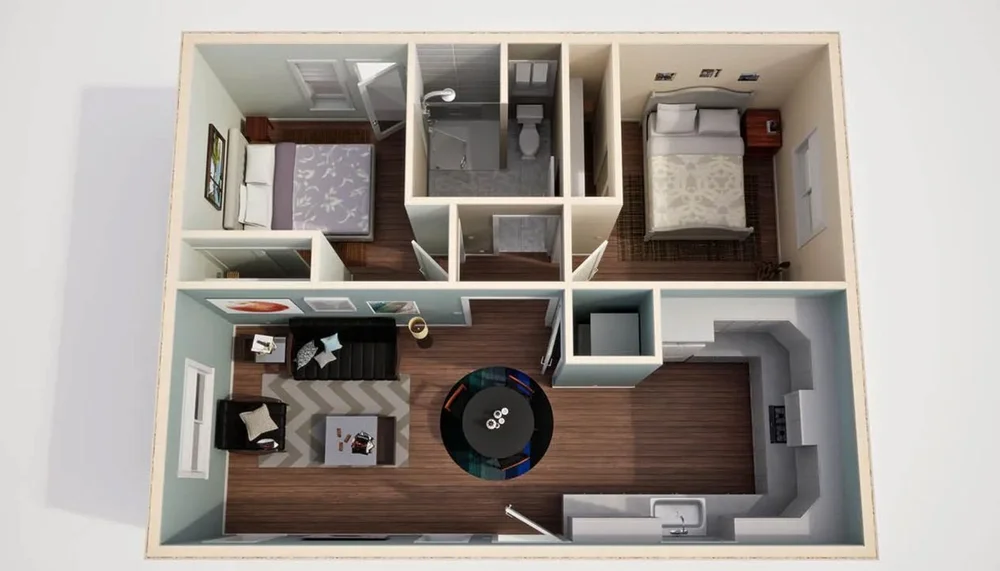
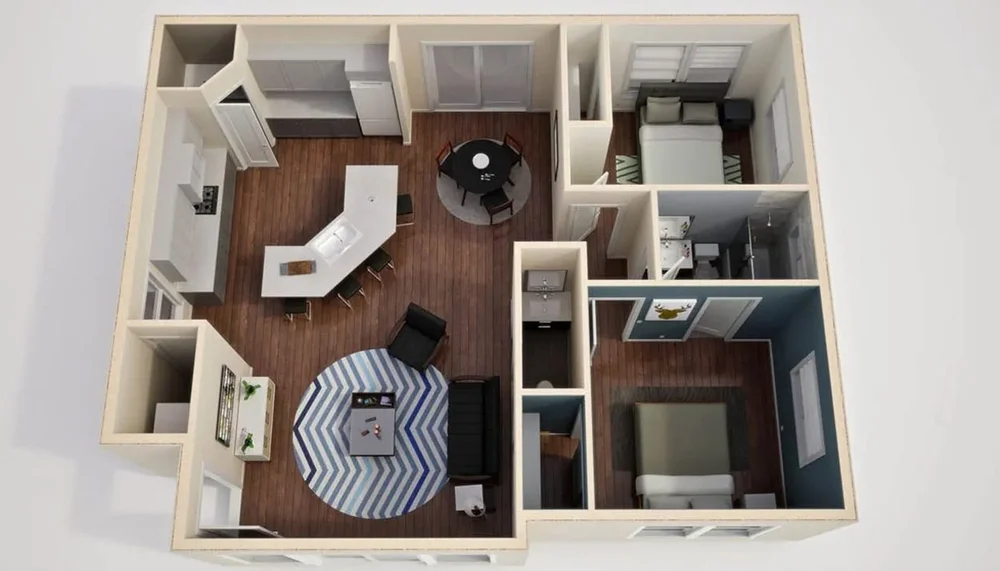
- Tiny Home Floor Plans and Layout Ideas
When a Condo Fits Better
A condo may suit you more if you:
- Prefer more interior space for guests, work-from-home, or hobbies
- Like having amenities such as a pool, gym, or on-site management
- Do not want to manage exterior maintenance or landscaping
- Are fine with condo rules and living close to neighbors
- Want a more familiar, conventional lending and resale process
Location, Zoning, and Rules Around Daytona Beach
Daytona Beach and nearby communities have specific zoning and building rules that affect both tiny homes and condos, but in different ways.
Tiny Home Placement and Legal Basics
Before you choose a tiny home, it is crucial to understand where you can legally put it and live in it full time. Topics to review include:
- Local zoning rules and minimum square footage requirements
- Whether your home is on a permanent foundation or on wheels
- Community and park rules if you join a tiny home or RV community
For a deeper overview, see Tiny Home Zoning, Permits, and Legal Basics and Best Tiny Home Communities and Parking Options.
Condo Regulations and HOAs
Condos are usually in buildings with established rules and management. These rules often cover:
- Short-term rentals and guest policies
- Pet rules and size limits
- Renovation and noise restrictions
- Use of common areas and parking
While you won’t deal with zoning issues in the same way as tiny homeowners, you do need to be comfortable with the HOA’s bylaws and fee structure.
Weather, Durability, and Safety Near the Coast
Both tiny homes and condos in the Daytona Beach area must be prepared for storms, wind, humidity, and salt air.
Tiny Home Considerations
- Anchoring and wind ratings: Especially important for tiny houses on wheels and smaller structures in hurricane-prone areas.
- Materials and finishes: Rust- and rot-resistant materials can handle coastal air better. See Beach-Friendly Tiny Home Designs and Materials.
- Storm prep and evacuation: Mobility can be an advantage for some tiny homes on wheels. Learn more at Tiny Home Safety: Storms, Flooding, and Anchoring.
Condo Considerations
- Buildings are typically engineered for local wind codes and have formal hurricane procedures.
- Exterior maintenance is usually handled by the association, funded through HOA fees and reserves.
Resale Value and Exit Strategies
Thinking ahead about resale can help you choose the option that matches your long-term plans.
Tiny Homes
The tiny home market is still evolving, and resale can depend heavily on:
- Build quality and whether you used a reputable builder (see How to Choose a Reputable Tiny Home Builder)
- Whether the home is certified and meets building or RV codes
- Whether the home comes with land or just the structure
For more on planning ahead, visit Resale Value and Exit Strategies for Tiny Home Owners.
Condos
Condo resale often depends on the building’s reputation, HOA health, location, and amenities. While the market is more established, you are also tied to the building’s overall condition and management decisions.
How to Decide: Simple Questions to Ask Yourself
If you are torn between a tiny home and a condo, these questions can clarify your priorities:
- Do I want to own land, or is a well-managed building enough?
- How small am I truly willing to go? Walk through layouts and case studies at Tiny Home Tours and Real-Life Case Studies.
- How sensitive am I to monthly fees? Compare HOA dues vs lot rent and utilities.
- Am I comfortable with strict community rules? Think about both HOA regulations and tiny home community rules.
- Where do I see myself in 5–10 years? Consider career, family, retirement, and mobility.
For a broader overview of the tiny home path near Daytona Beach, visit the Tiny Homes for Sale Daytona Beach Buyer’s Guide or browse more topics on the Blog / Guides page.
FAQs: Tiny Homes vs Condos Near Daytona Beach
Are tiny homes always cheaper than condos?
Not always. A basic tiny home with a simple site can cost less than many condos, but high-end custom builds, land purchases, and specialized features can add up. Comparing both upfront and monthly costs is the best way to see which is more affordable for you. You can explore entry-level options at Tiny Homes Under 50k: Budget-Friendly Options.
Which is better for retirement: a tiny home or a condo?
It depends on your health, mobility, and budget. Some retirees like condo amenities and elevators; others prefer the privacy and lower overall costs of a well-designed tiny home with accessible features. For more on aging comfortably in a small space, see Retiring in a Tiny Home: Costs, Comfort, and Care and Accessible and Aging-in-Place Tiny Home Features.
Can I rent out my tiny home or condo as a short-term rental?
Rules can be strict in both cases. Condos often have HOA limits on nightly rentals. Tiny homes in parks or communities may have their own restrictions, and local ordinances also apply. For tiny homes, start with Renting Out Your Tiny Home as a Short-Term Rental and always confirm current local regulations.
What if I am still unsure which to choose?
It may help to tour both options in person, list your non-negotiables, and run a side-by-side cost comparison over 5–10 years. You can also learn more about local tiny home options and builders at Tiny Homes Near Me: How to Find Local Listings and Builders or explore our About page and Contact page for next steps.