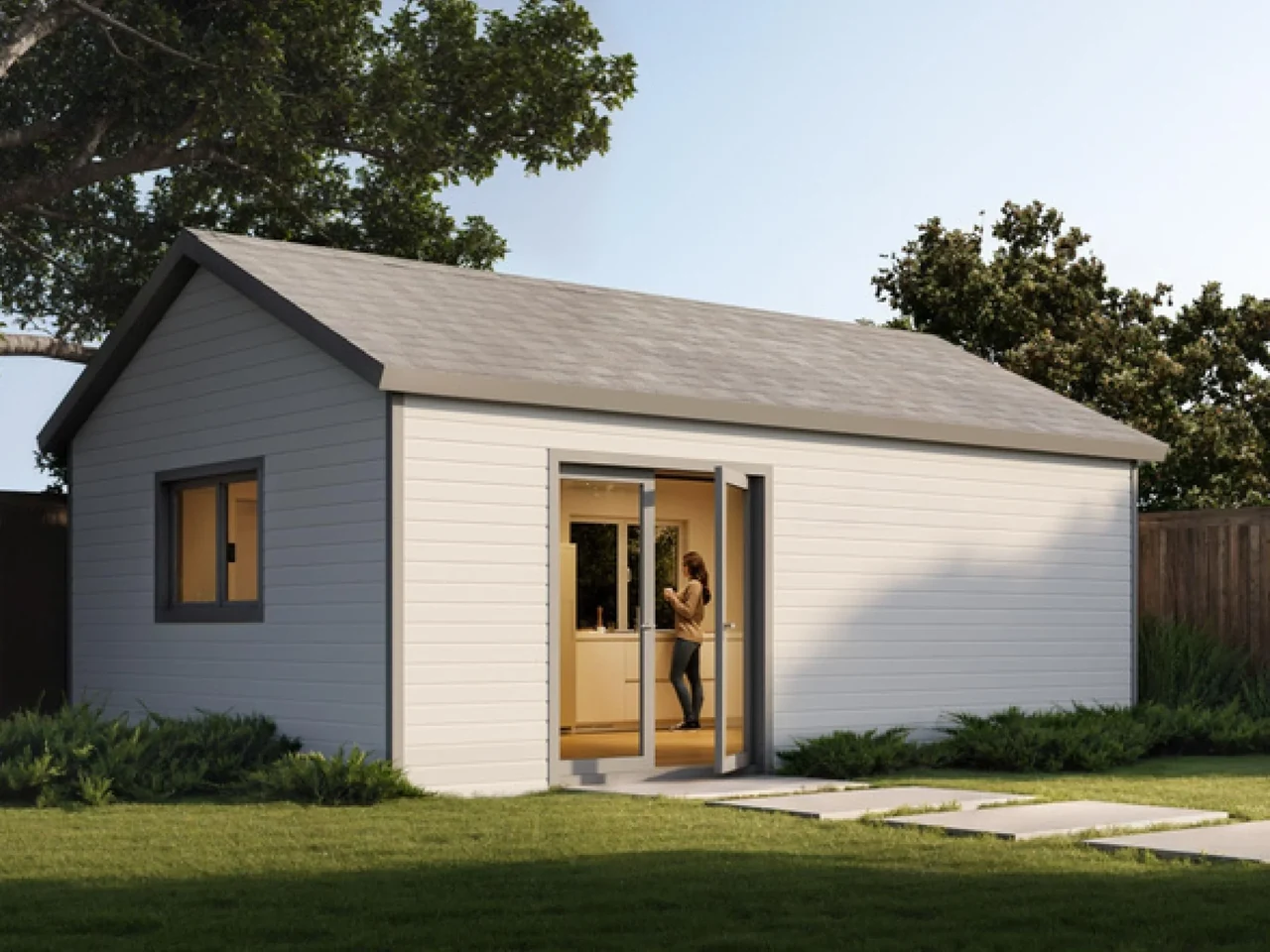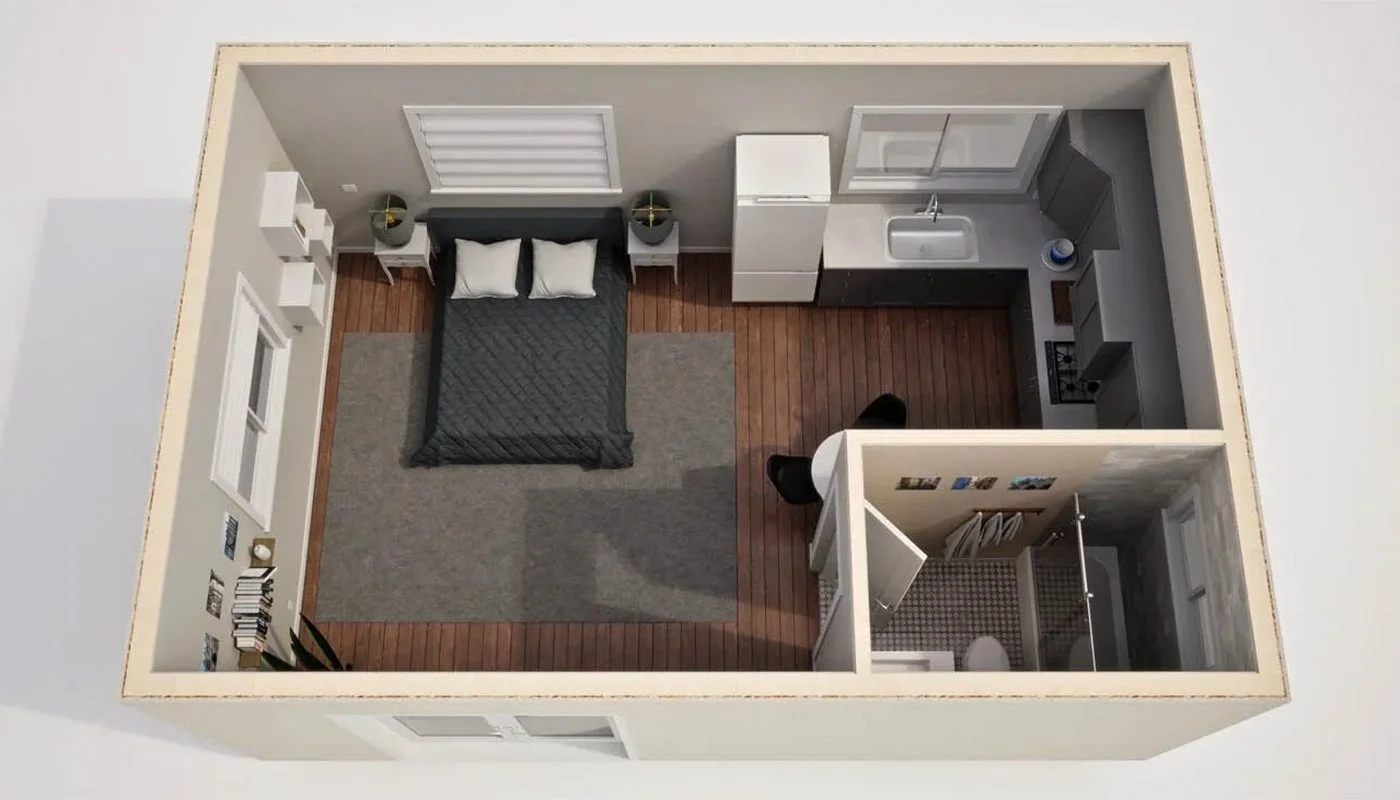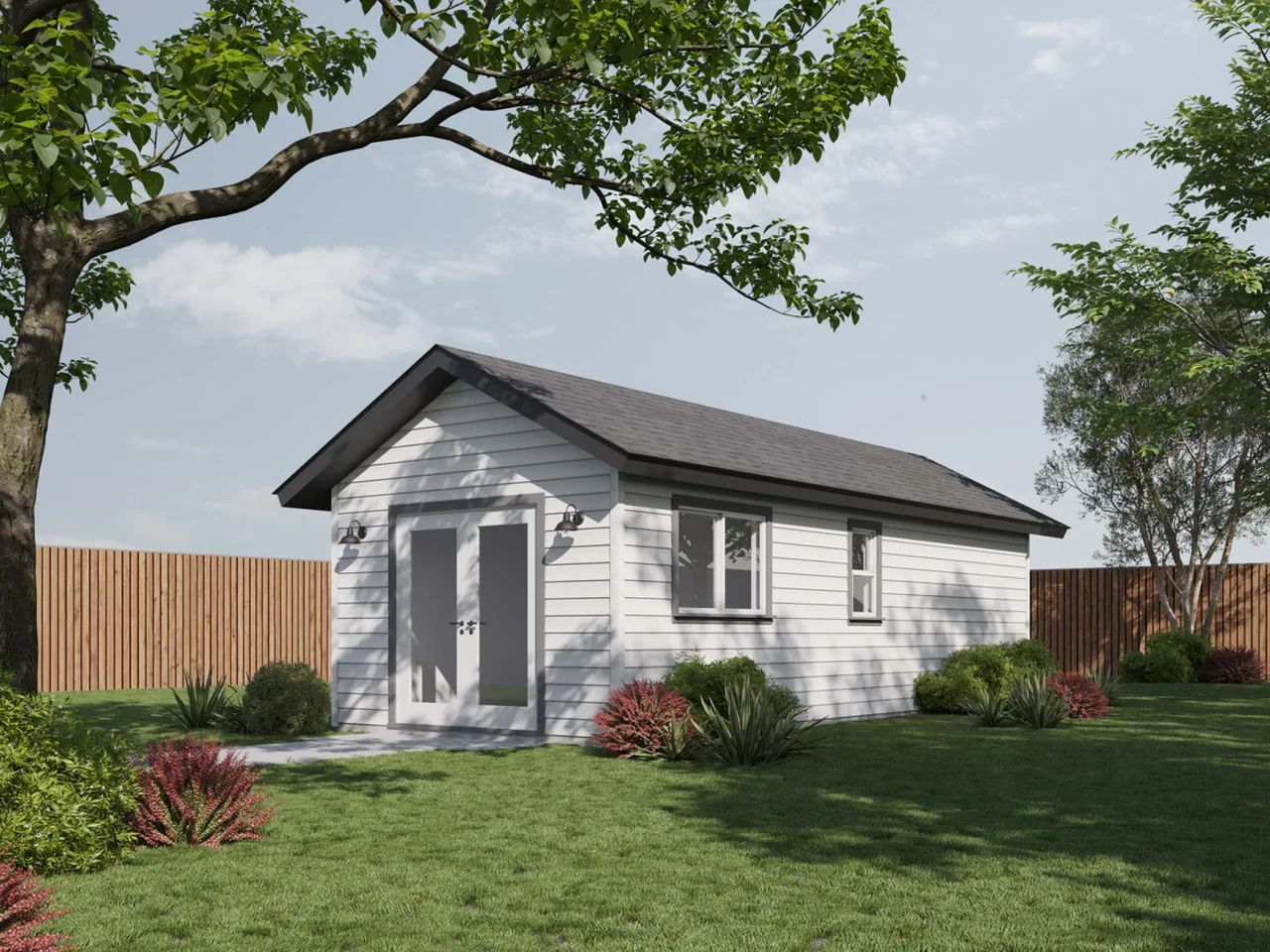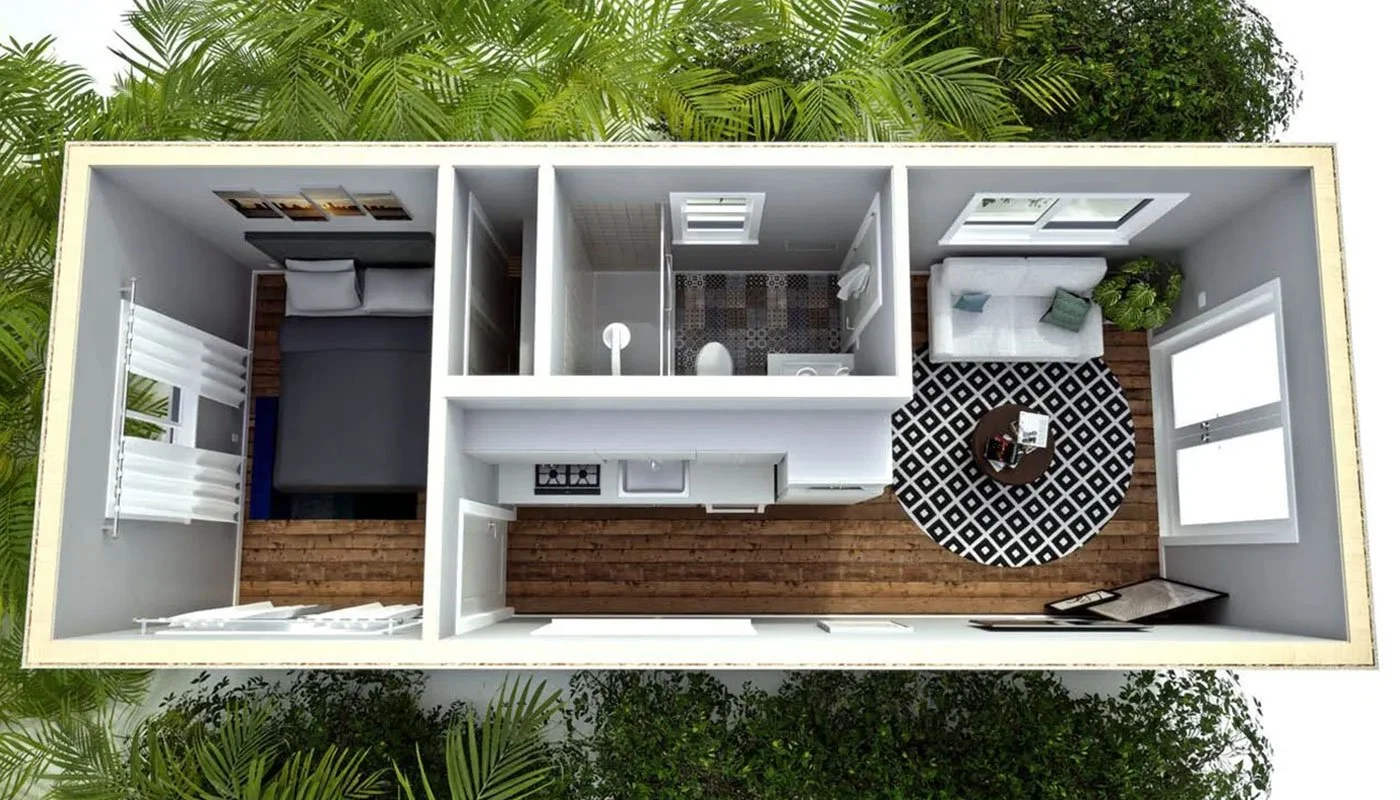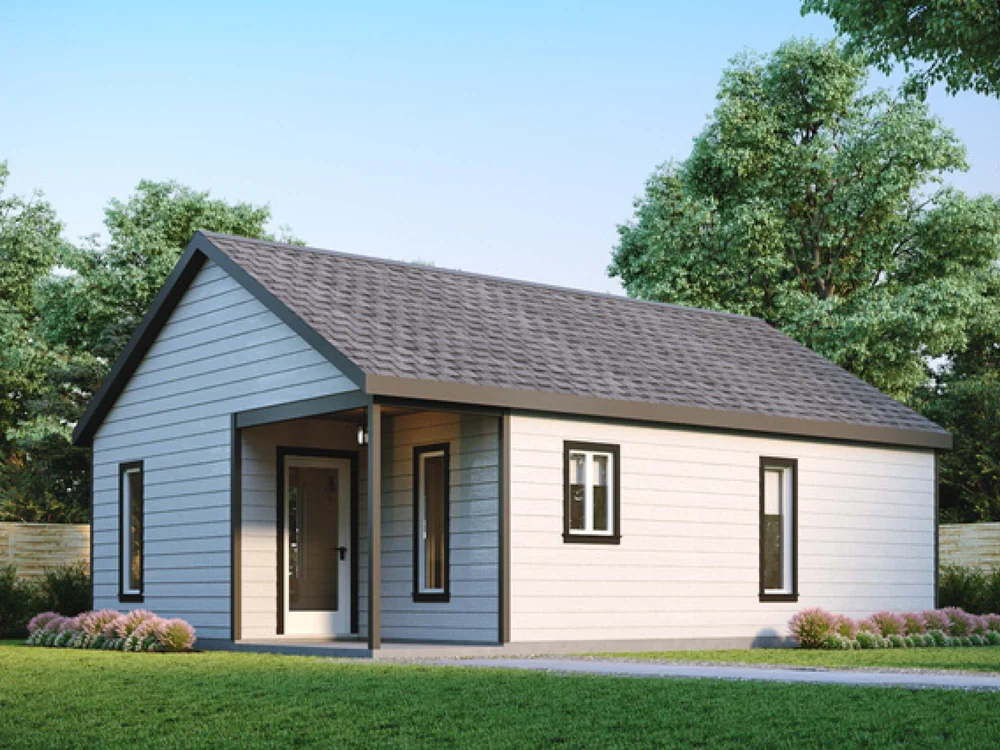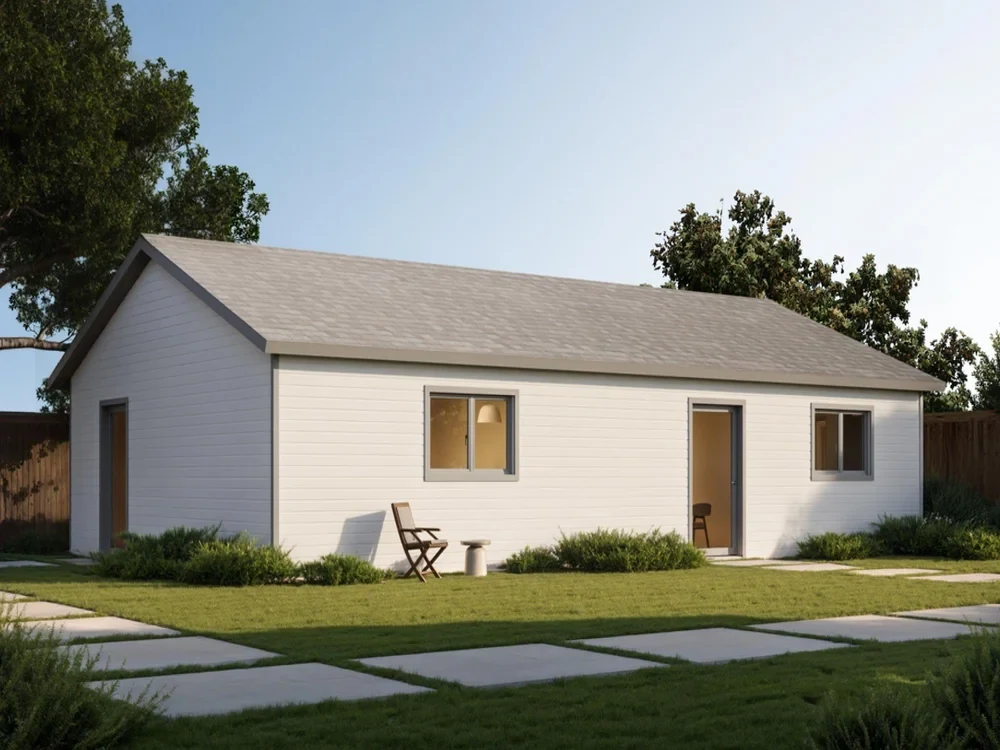
Thinking about how easy it will be to sell your tiny home later is just as important as choosing the right layout today. Because tiny homes are still a newer housing option, resale value can vary more than with traditional houses or condos, especially in a coastal market like Daytona Beach, FL.
This guide explains what affects tiny home resale value, how to protect your investment, and realistic exit strategies if you decide to move, upgrade, or cash out in the future.
How Tiny Home Resale Value Works
Tiny homes do not follow the same patterns as typical single-family homes. How your home is titled, parked, and used matters a lot to future buyers.
Key value drivers
- Type of tiny home: Tiny house on wheels (THOW), park model, or foundation-built ADU all hold value differently.
- Quality of construction: Reputable builders, proper insulation, and durable finishes are especially important in Florida’s heat, humidity, and storms.
- Legal placement: Having a legal, transferable parking or land arrangement can make resale far easier.
- Condition and maintenance: Well-maintained roofing, siding, and systems are critical in a salty, coastal environment like Daytona Beach.
- Market demand: Local awareness of tiny homes, availability of financing, and nearby communities influence how quickly you can sell.
Because many tiny homes are treated more like RVs or personal property than traditional real estate, future buyers may focus more on age, wear, and mobility than on land value.
Daytona Beach Factors That Affect Resale
Owning near the beach has big lifestyle benefits, but it also adds specific considerations when it is time to sell.
Weather, salt air, and storms
- Salt and moisture: Corrosion, rust, and mold can hurt both value and buyer confidence.
- Storm risk: Buyers will ask about anchoring, tie-downs, and how the home handled past storms.
- Materials: Beach-friendly finishes and hardware hold up better and look fresher over time.
Planning ahead with the right materials and maintenance helps your home stay attractive and solid when you are ready to sell. For more design ideas that age well at the coast, see Beach-Friendly Tiny Home Designs and Materials.
Location and parking situation
Where and how your tiny home is parked strongly shapes resale value:
- A spot in a desirable tiny home community near Daytona Beach can be a major selling point if the space is transferable.
- Parking on land with clear zoning compliance is more attractive than a “grey area” or temporary setup.
- Tiny homes in established communities may sell faster because buyers like the built-in neighborhood and amenities.
If you are still choosing where to place your home, explore Best Tiny Home Communities and Parking Options to think through the long-term implications.
Design Choices That Support Resale Value
Smart design decisions now can give you more flexibility later, whether you plan to sell in five years or twenty.
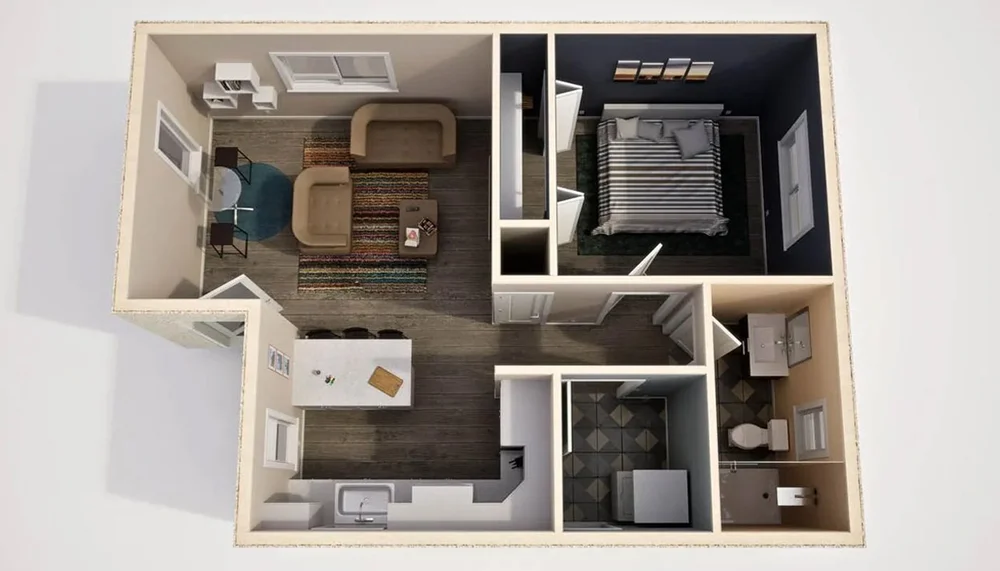
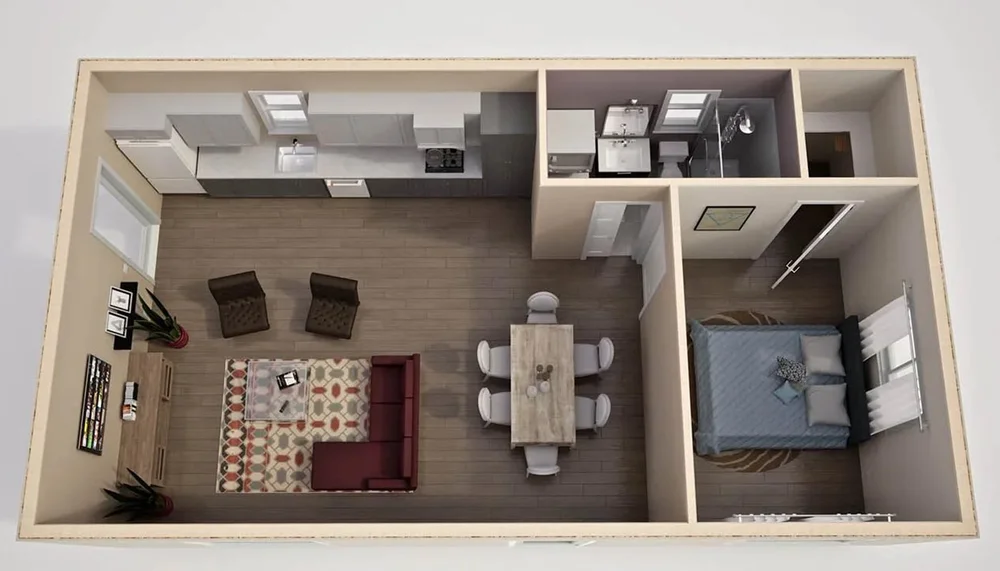
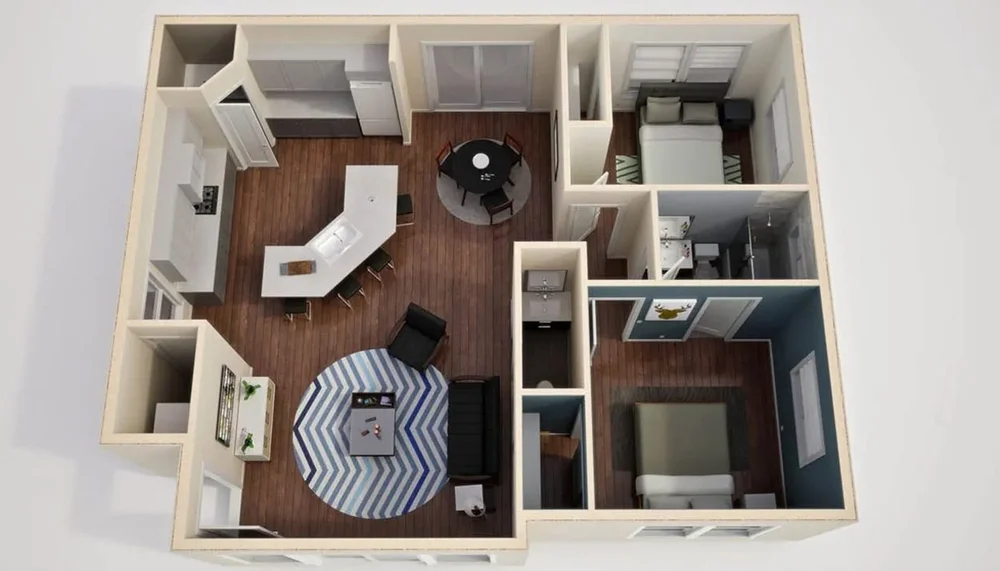
Choose layouts with broad appeal
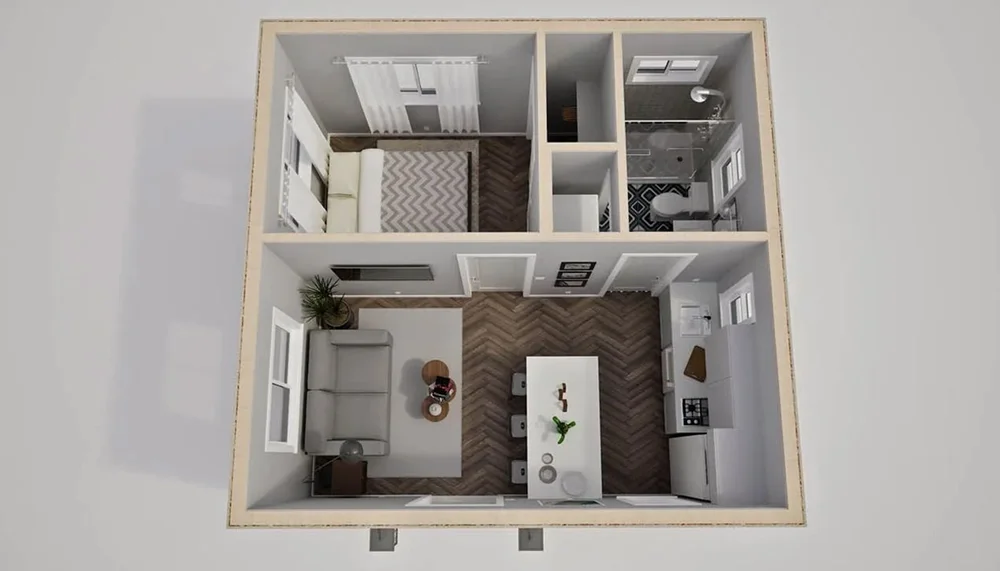
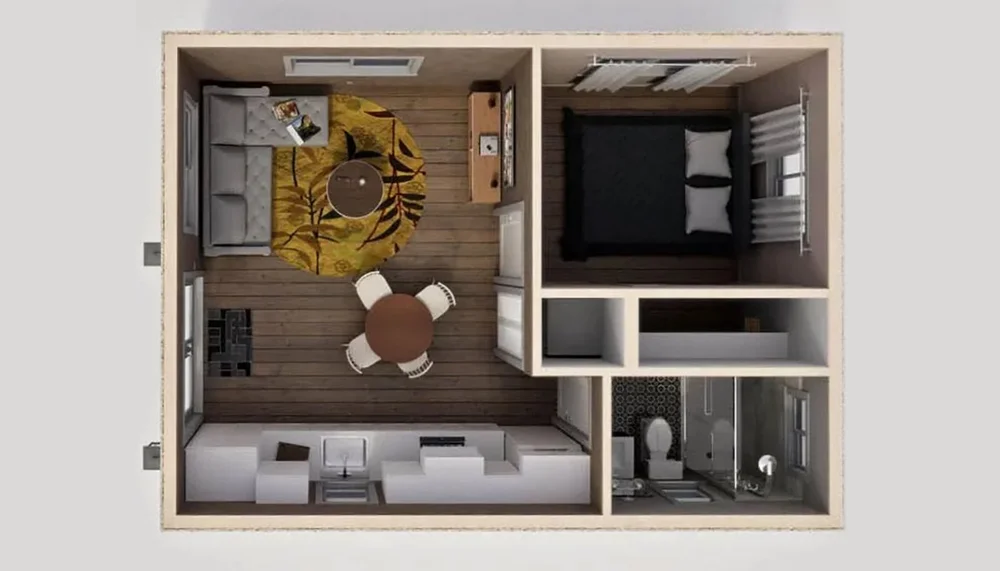
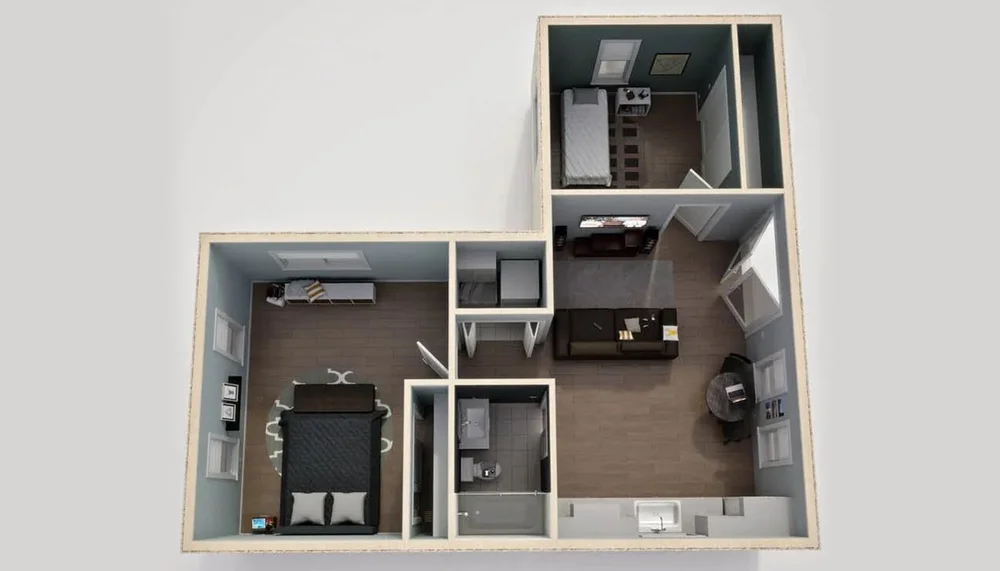
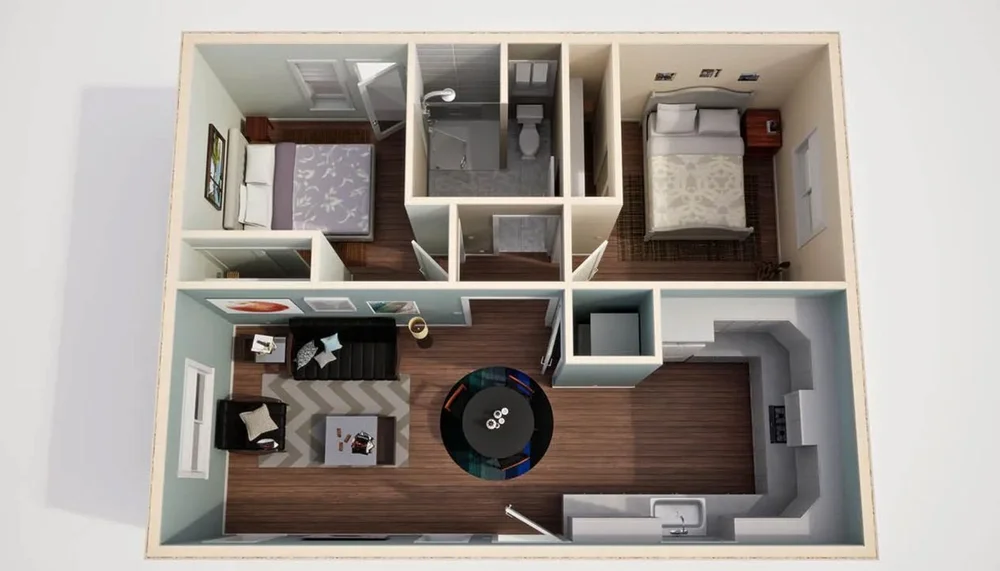
- Optimize storage and circulation; buyers look for homes that feel open and functional.
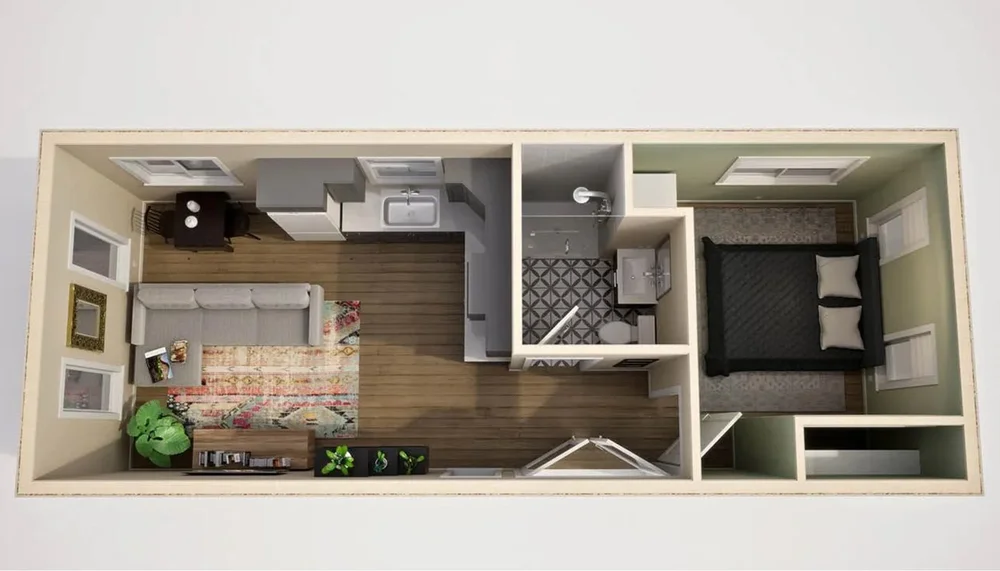
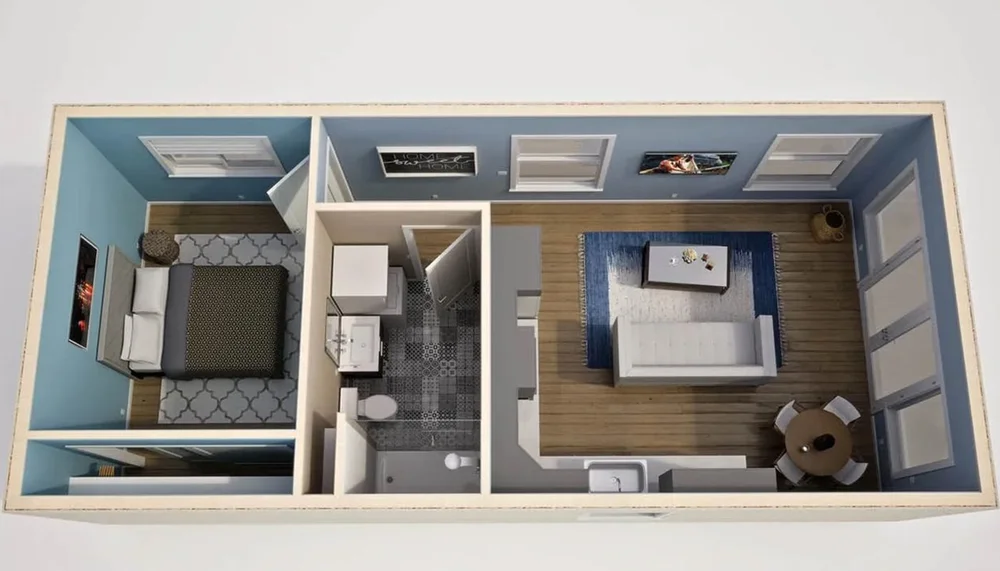
- Include a full bathroom and practical kitchen, which can widen your buyer pool.
- Consider at least one sleeping space on the main level to appeal to older buyers or those with mobility needs.
For more ideas, see Tiny Home Floor Plans and Layout Ideas.
Think about future demographics
The buyer after you might be a retiree, a work-from-home professional, or a small family. Designing for flexibility helps:
- Leave space for a desk or convertible workspace.
- Use multi-purpose furniture and storage that can adapt to different lifestyles.
- Include features that support aging in place, like wider doors or a lower-entry shower. For more, visit Accessible and Aging-in-Place Tiny Home Features.
Maintenance, Documentation, and Insurance
Well-kept tiny homes are easier to sell and command stronger prices. Ongoing upkeep is part of your exit strategy.
Stay ahead on maintenance
- Inspect the roof, seals, and siding regularly for water intrusion.
- Rinse off salt, sand, and debris, especially if you are close to the ocean.
- Service HVAC, electrical, and plumbing on a regular schedule.
Buyers often ask for maintenance records. A simple log and receipts can reassure them your home has been cared for. Learn more about long-term costs at Maintenance and Upkeep Costs for Tiny Homes.
Keep thorough documentation
- Builder information, serial numbers, and manuals.
- Original plans or as-built drawings.
- Permits, inspections, and any engineer reports related to anchoring or foundations.
These documents can set your listing apart and support the price you are asking.
Insurance and warranties
Proof of consistent insurance coverage and any transferable warranties can help a buyer feel more secure. For an overview of coverage types, see Tiny Home Insurance and Warranties Explained.
Common Exit Strategies for Tiny Home Owners
Your exit plan influences how you use and upgrade your home. Here are some of the most practical options around Daytona Beach.
1. Sell your tiny home as personal property
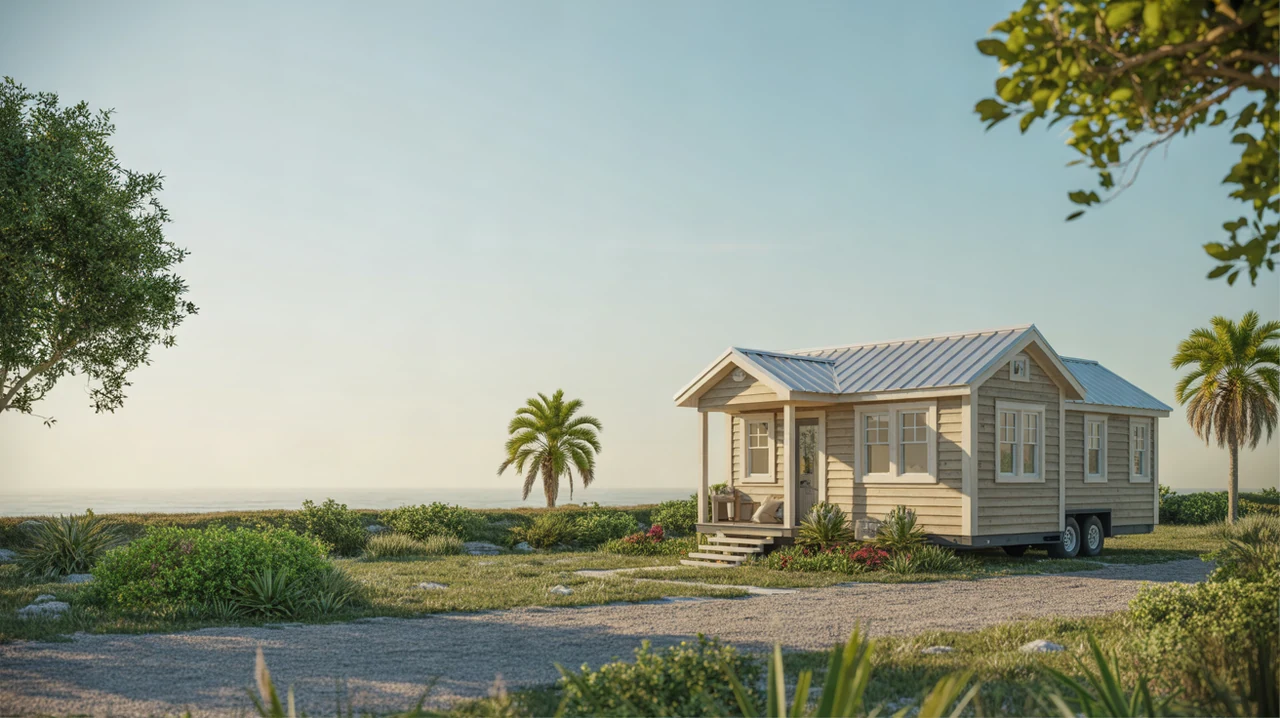
If your tiny home is on wheels or not permanently attached, you may sell it more like an RV:
- Advertise on tiny house–specific marketplaces and local listing sites.
- Highlight towability, weight, and any towing equipment included.
- Clarify whether the parking spot can transfer or whether buyers must move the home.
Interest may come from within Florida or from out-of-state buyers drawn to the Daytona Beach area.
2. Sell home plus land or pad rights
If you own the land beneath your tiny home and local zoning supports it, you might sell:
- The land and home together, similar to selling a small house.
- Just the home while offering a long-term ground lease or lot rental to the buyer.
Work closely with a real estate professional familiar with tiny homes and review local rules. The overview at Tiny Home Zoning, Permits, and Legal Basics is a good starting point for your research.
3. Convert the tiny home into a rental
If you are not ready to sell or prefer ongoing income, you may be able to rent your tiny home out, depending on local regulations:
- Short-term rental for vacationers visiting Daytona Beach.
- Mid-term or long-term rental for students, travel nurses, or remote workers.
Renting can buy you time until the market improves or until you are ready to sell. For more detail on this strategy, see Renting Out Your Tiny Home as a Short-Term Rental.
4. Relocate your tiny home
Tiny homes on wheels can be moved to another city or state where demand is stronger or rules are friendlier. Before relocating, consider:
- Towing costs and logistics.
- Differences in zoning, parking, and registration requirements.
- Whether moving affects your tiny home’s condition or warranty.
Relocation can open up buyer pools in different markets if demand is limited locally.
Planning Your Exit Strategy Before You Buy
Thinking about resale early helps you make smarter choices about design, financing, and placement.
Questions to ask yourself
- How long do I expect to live in this tiny home?
- Am I comfortable treating it more like an RV or more like a house?
- Is the parking or land situation likely to attract future buyers?
- Could I rent the home instead of selling if the market is soft?
Reviewing your options alongside costs, financing, and lifestyle fit can help you buy with confidence. The broader overview at Tiny Homes for Sale Daytona Beach Buyer’s Guide ties many of these topics together.
FAQs About Tiny Home Resale and Exits
Do tiny homes usually appreciate or depreciate?
It depends on whether you are selling a structure alone or a home-plus-land package. A tiny home on wheels often behaves like an RV and may depreciate, especially if heavily used or exposed to harsh weather. A well-built tiny home on land that is legally recognized and in a desirable location may hold value better because land value plays a bigger role.
How hard is it to find a buyer near Daytona Beach?
Interest in tiny homes is growing, but the buyer pool is still smaller than for traditional housing. Your chances improve if your home is in move-in-ready condition, parked legally, and reasonably priced compared with other housing alternatives such as condos or small apartments. You can compare lifestyle tradeoffs at Tiny Homes vs Condos: Which Fits Your Lifestyle and Budget?.
Will financing options for buyers affect my resale?
Yes. If your home qualifies for certain loan products or chattel financing, it can be easier for buyers to purchase it, which may support better resale prices. Understanding how tiny home loans work can help you prepare; see Financing a Tiny Home: Loans, Mortgages, and Alternatives for more detail.
What if my exit plan changes over time?
Many owners start out planning to live in their tiny home long-term and later choose to rent it out or sell. Keeping your home well maintained, legal, and flexible in its layout preserves your options, even if your plans shift due to work, family, or retirement. You can explore long-term perspectives at Retiring in a Tiny Home: Costs, Comfort, and Care and Families in Tiny Homes: What to Know Before You Buy.
Resale value for tiny homes is not one-size-fits-all, especially in a coastal market like Daytona Beach, FL. By choosing durable materials, a flexible layout, legal parking, and a realistic exit strategy, you can enjoy tiny living today while keeping strong options for tomorrow. For more planning resources, visit the Blog / Guides or learn about New vs Used Tiny Homes: Pros, Cons, and Pricing and Custom-Built vs Pre-Built Tiny Homes.