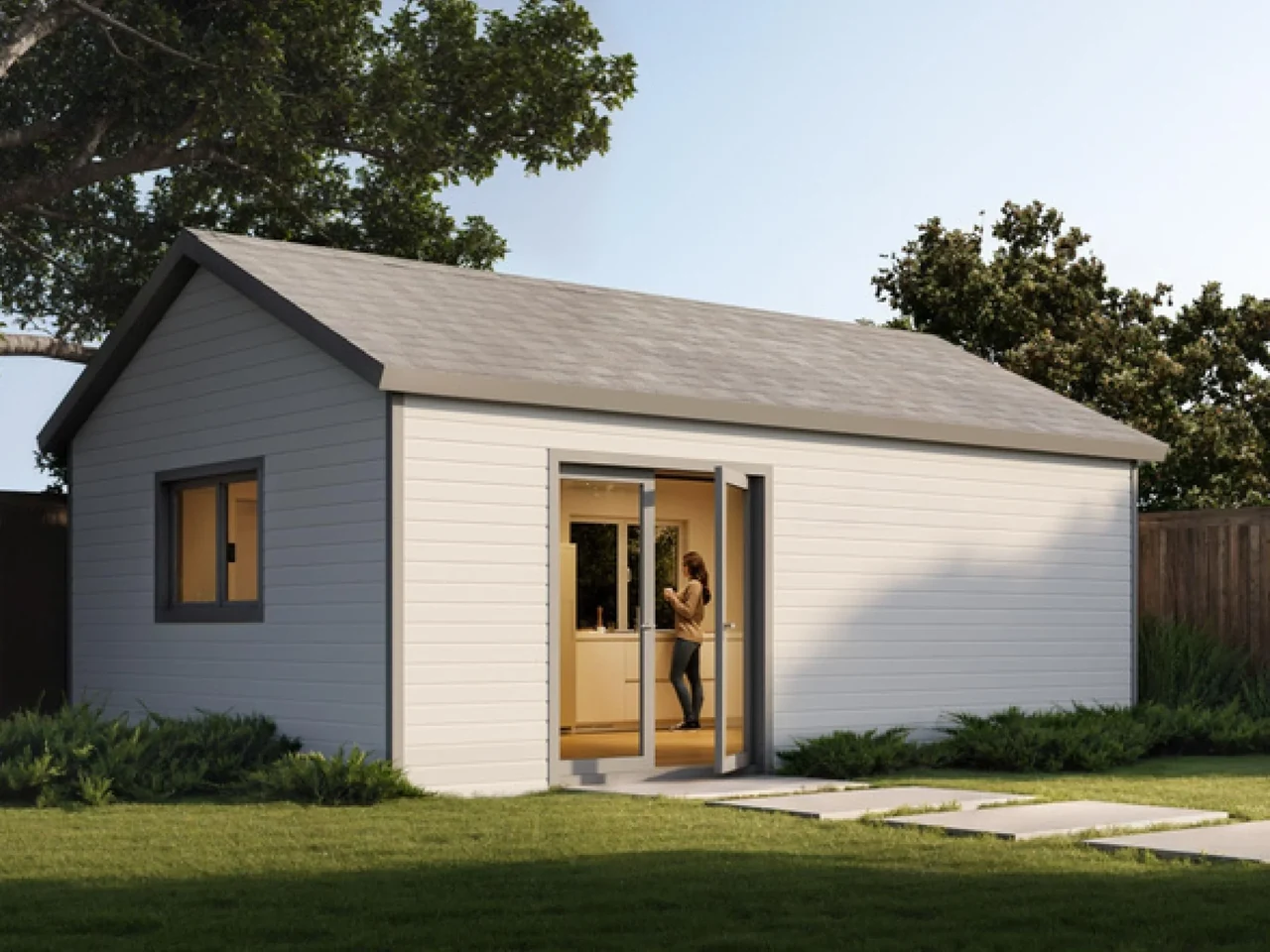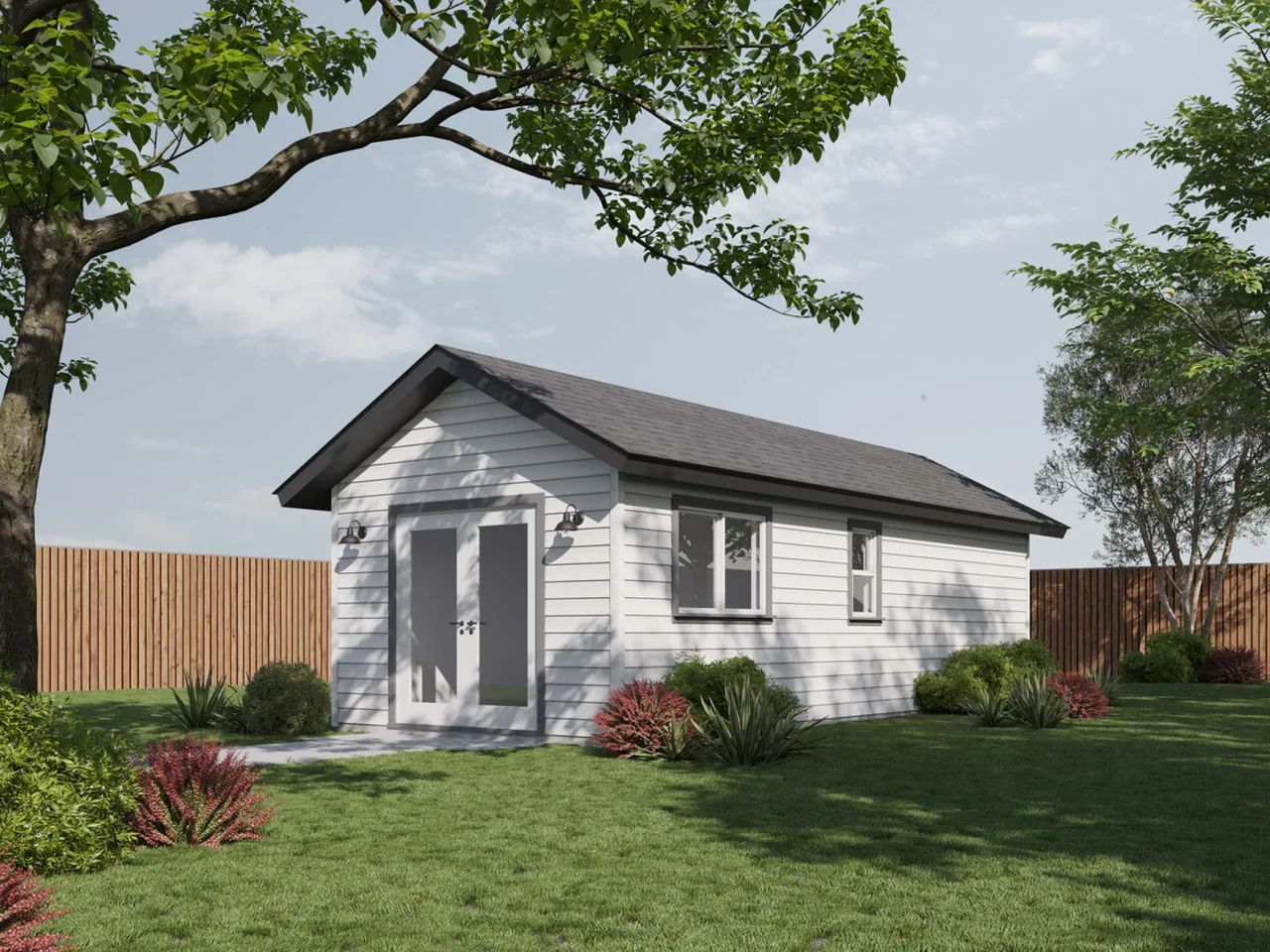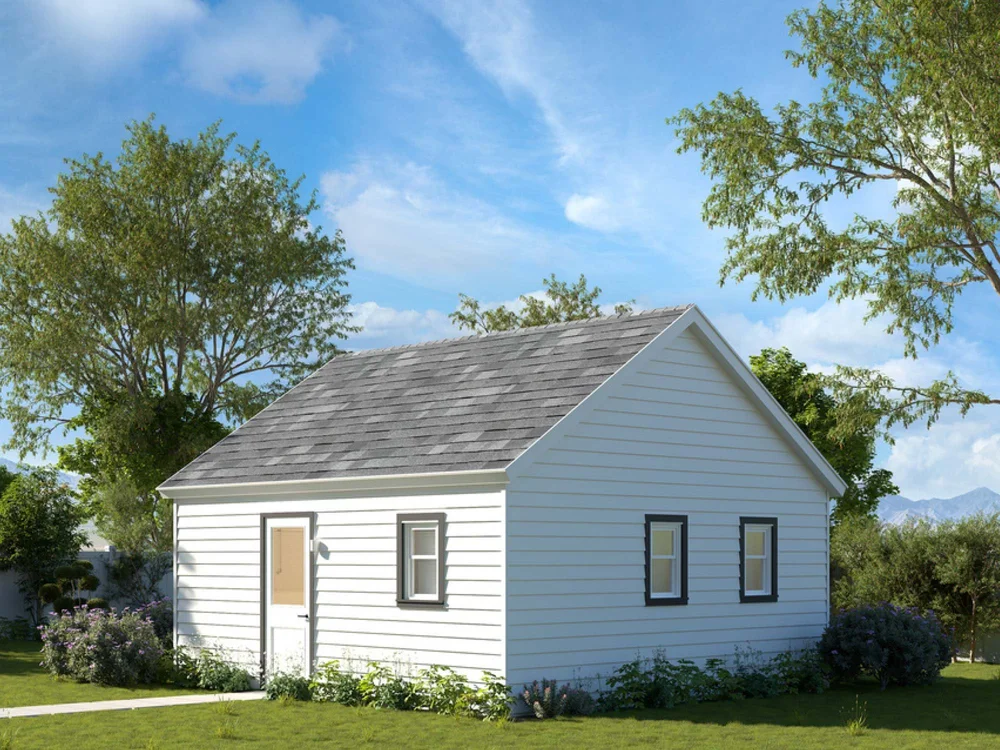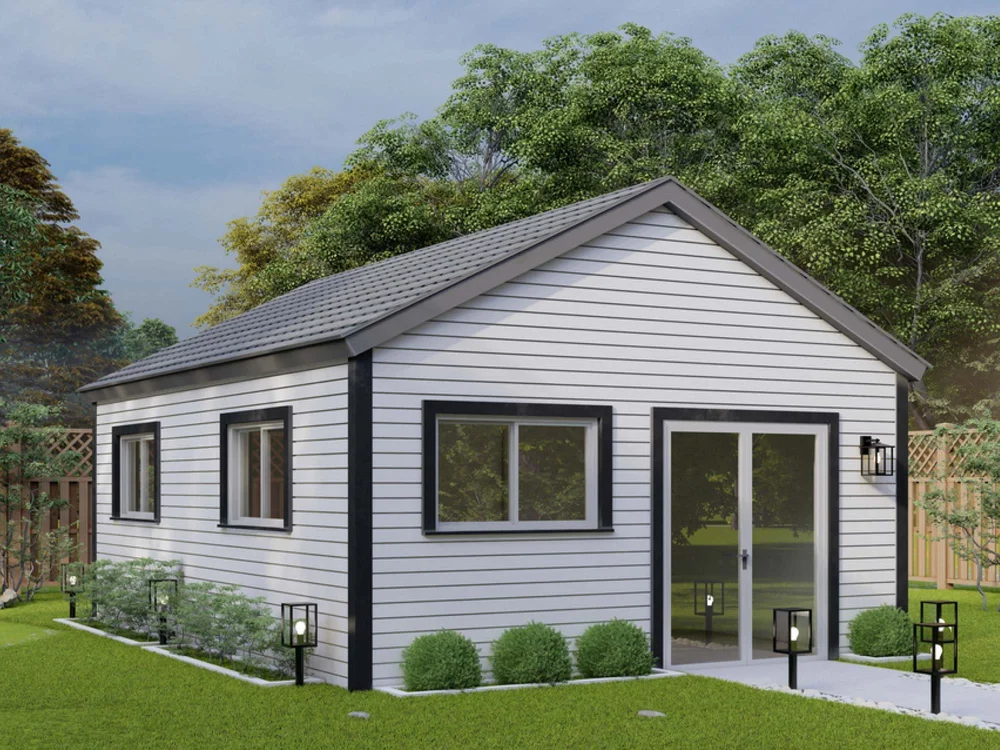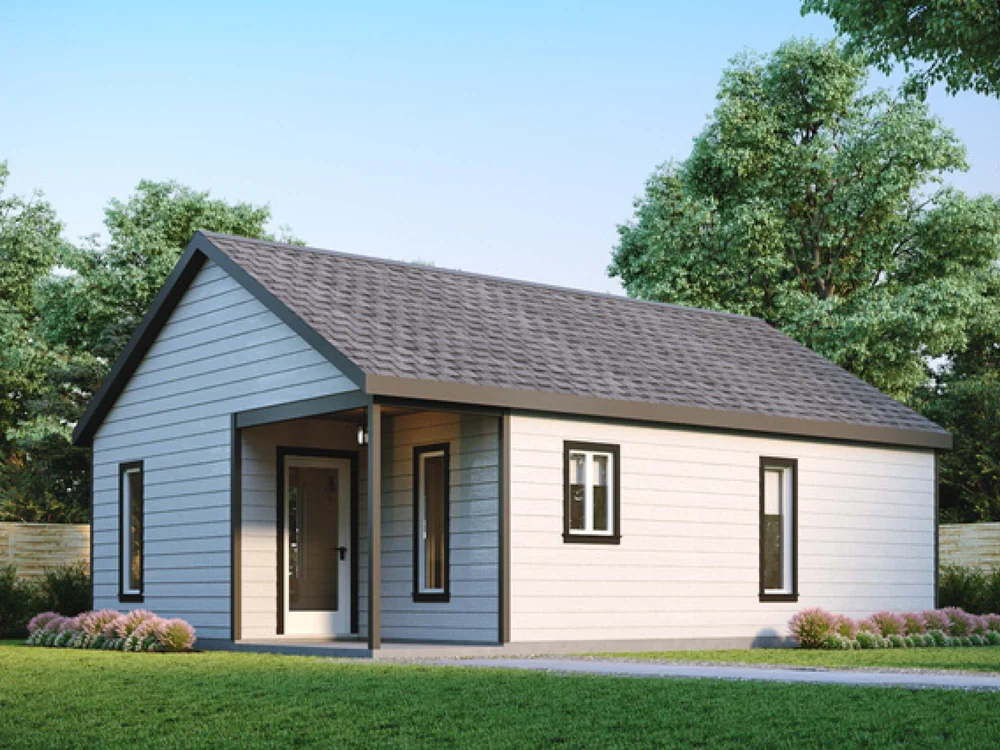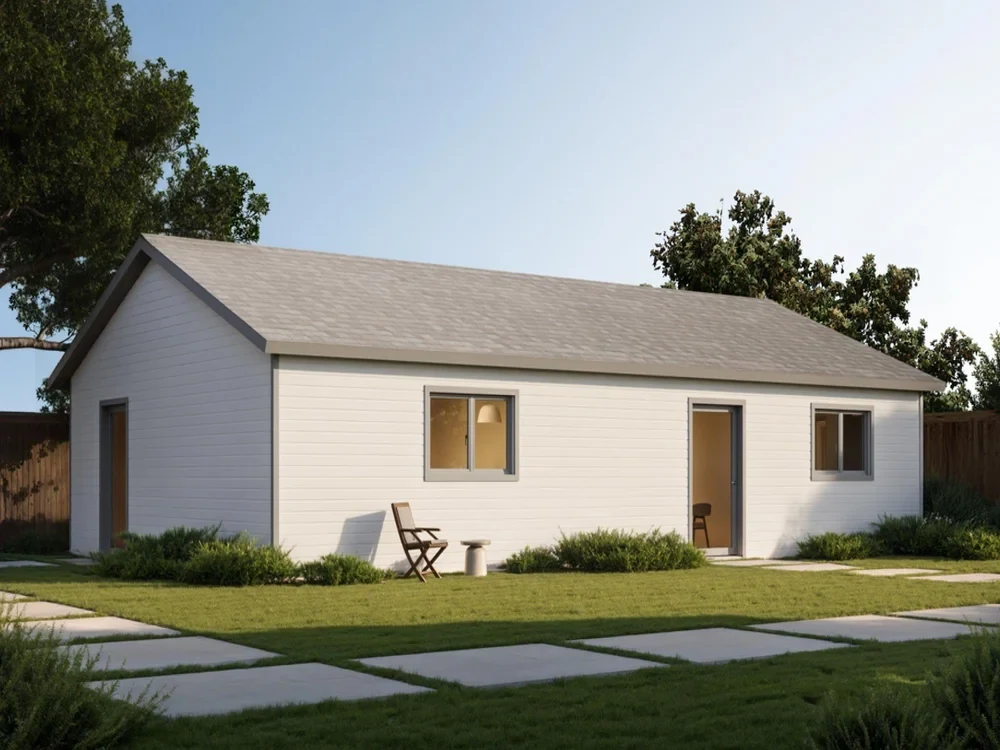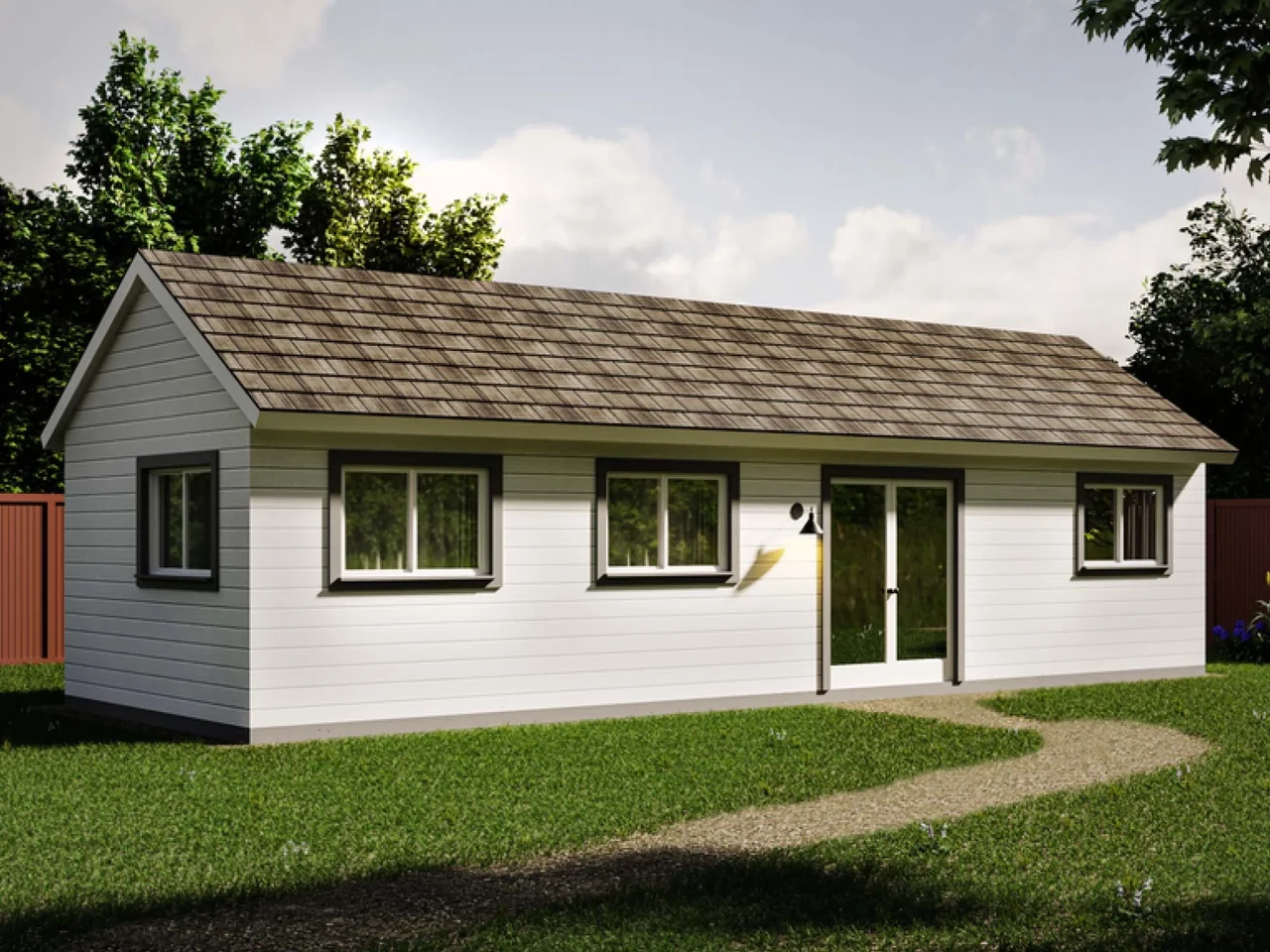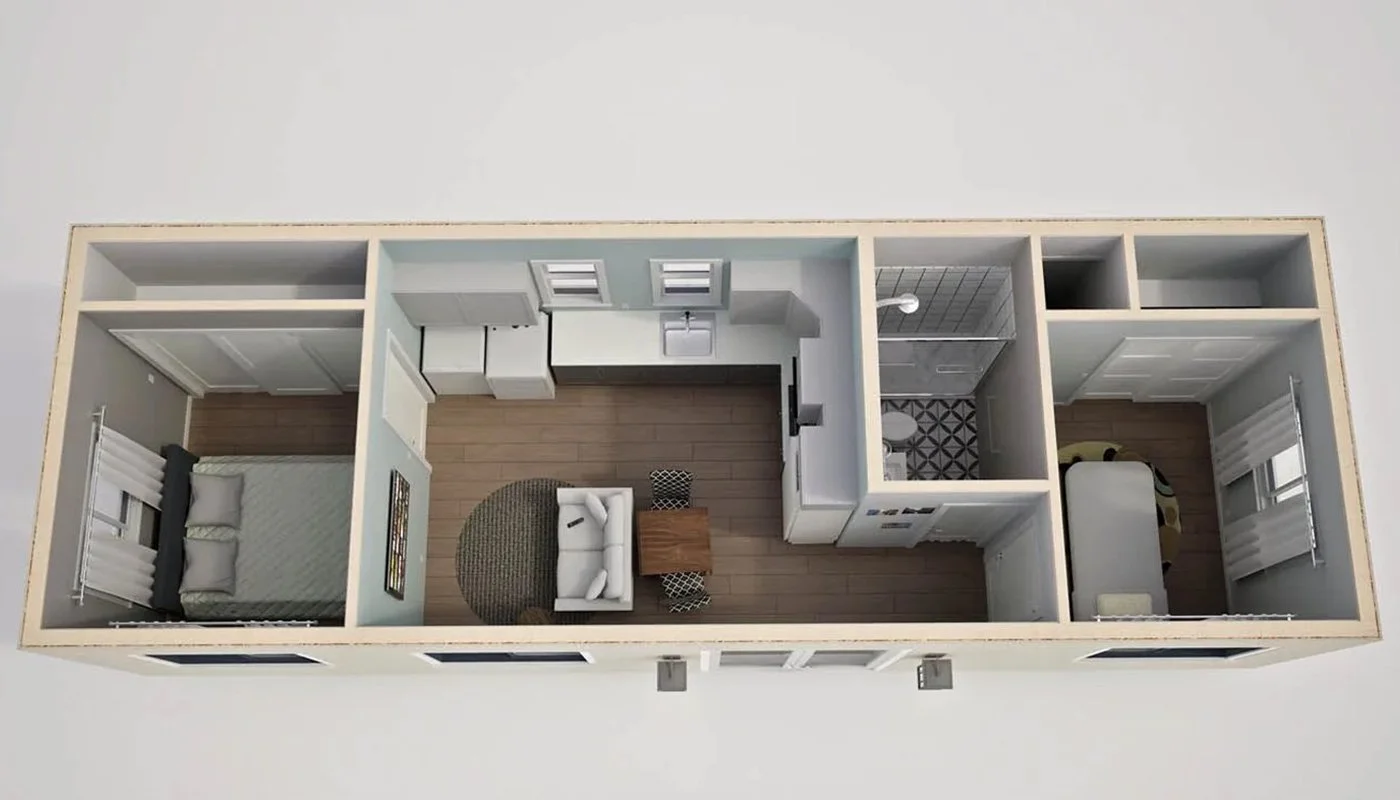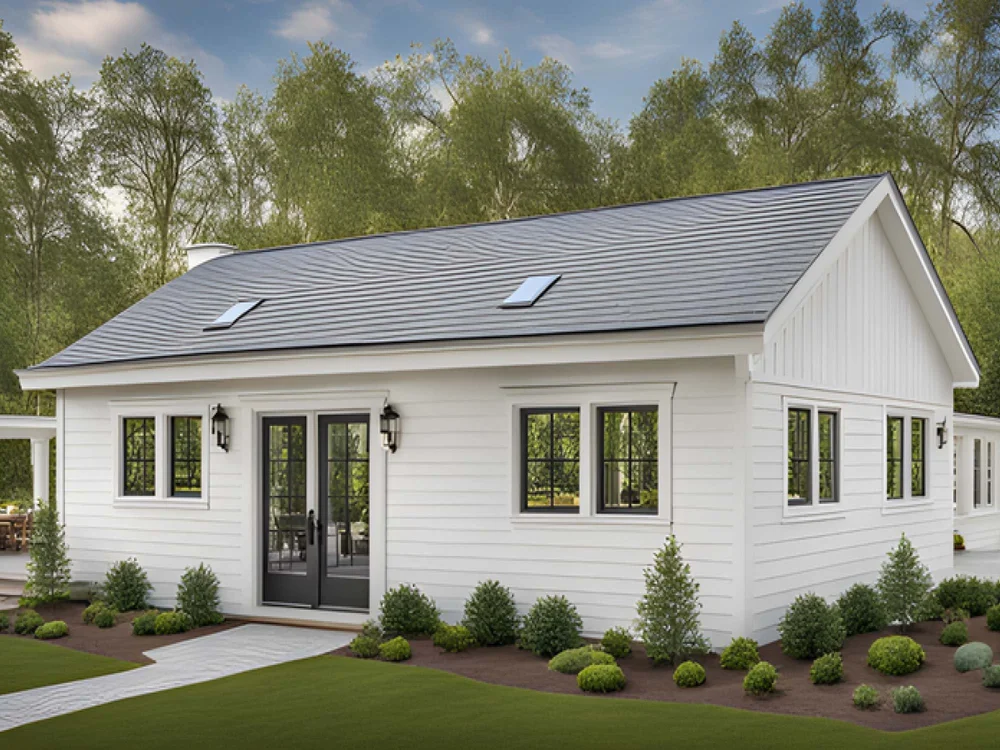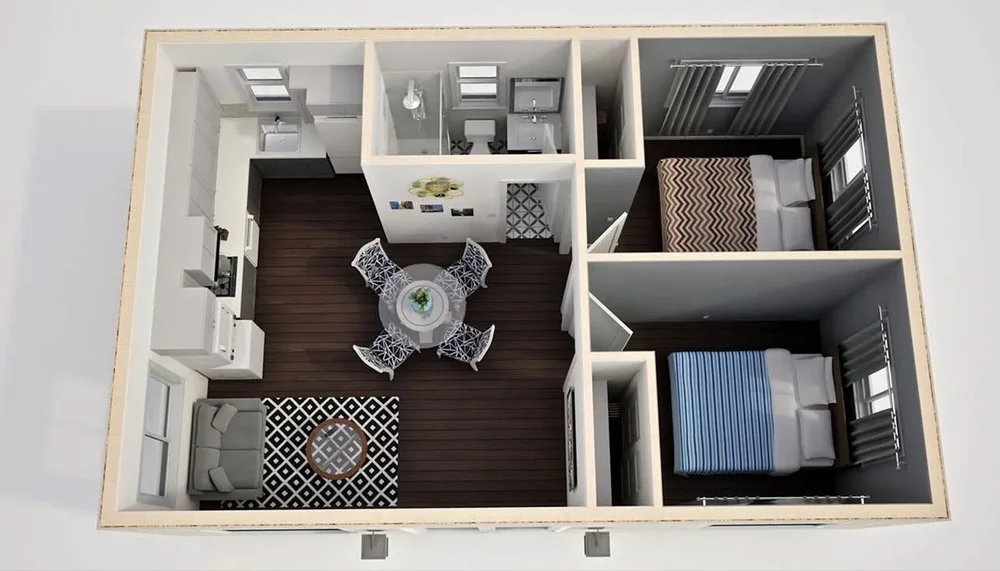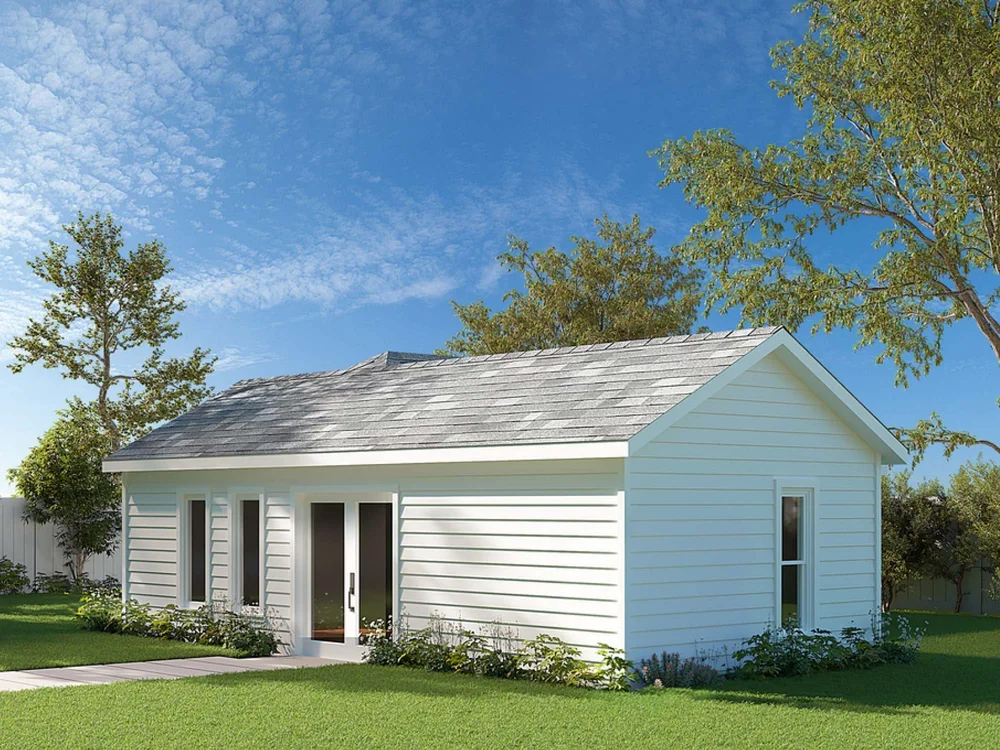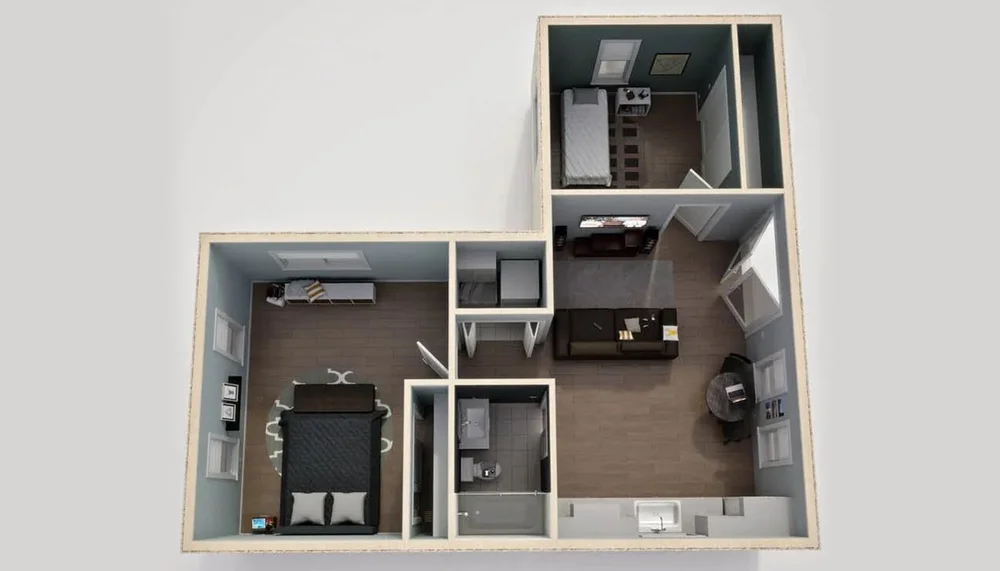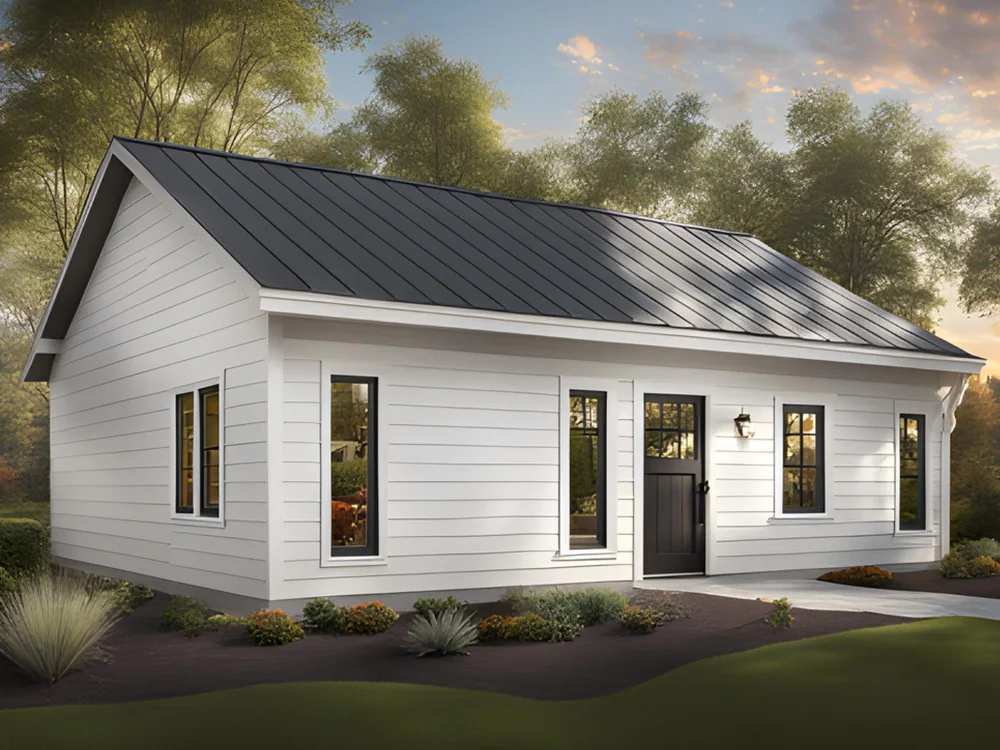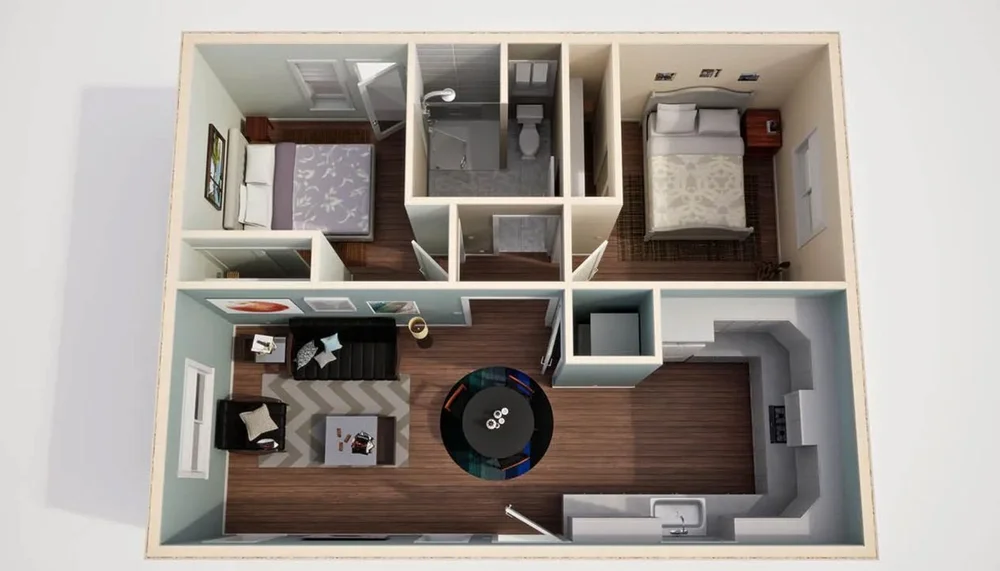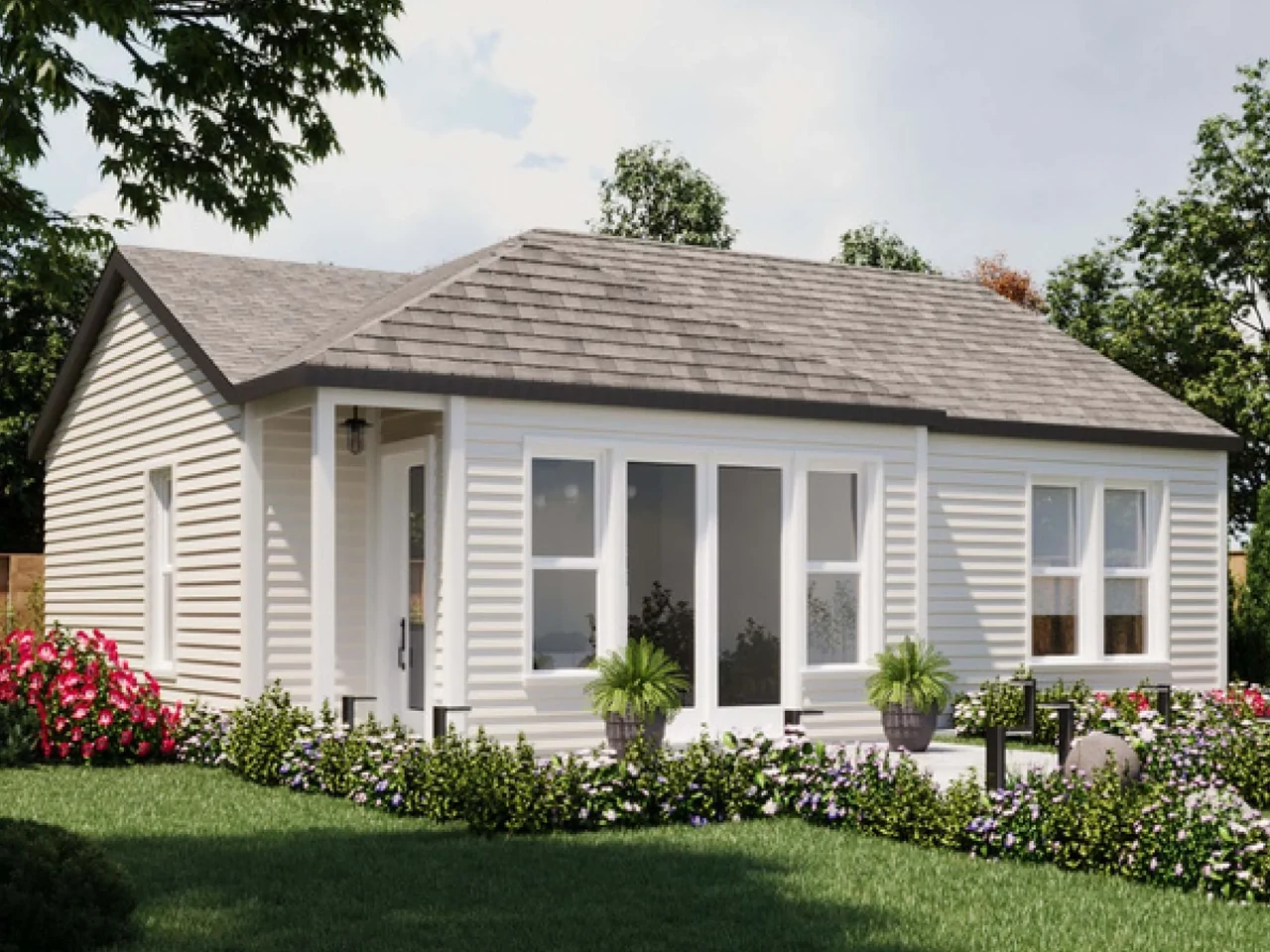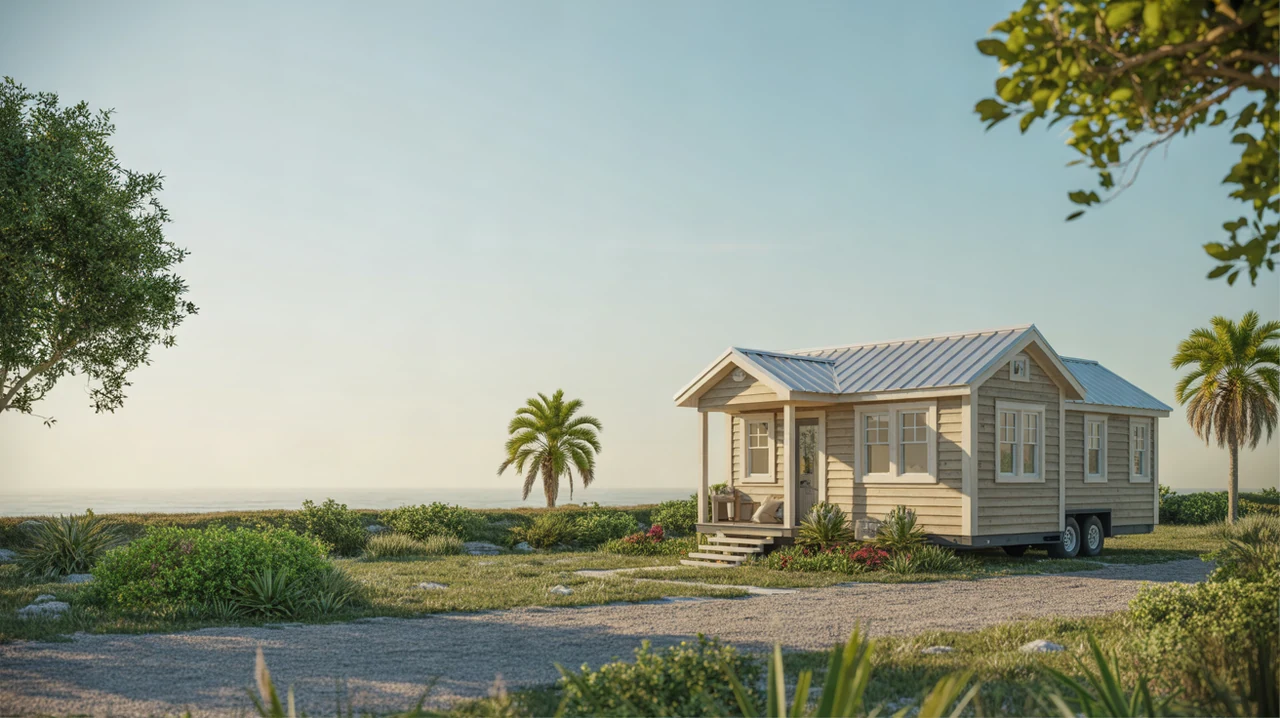
Renting out your tiny home as a short-term rental in the Daytona Beach area can help offset your costs or even turn into a regular income stream. Because tiny homes are unique, they tend to attract guests looking for something more memorable than a hotel room. At the same time, you need to navigate local rules, guest expectations, and the realities of hosting near the beach.
This guide walks through what to check before you list, how to prepare your tiny home, and practical tips for running it like a small business.
1. Can You Legally Rent Out Your Tiny Home in Daytona Beach?
Before you spend money on furnishings or professional photos, confirm that you are allowed to use your tiny home as a short-term rental. Regulations can change, and they can differ between the City of Daytona Beach, nearby towns, and unincorporated Volusia County.
Key questions to research
- Zoning and use: Is your tiny home in a zoning district that allows short-term rentals or vacation rentals?
- Minimum stay rules: Are rentals under a certain number of days restricted in your area?
- Parking and placement: If your tiny home is on wheels (a THOW), is it treated like an RV? Can guests legally stay overnight where it’s parked?
- Permits and registrations: Do you need a local business tax receipt, rental license, or inspection before hosting?
For general background on zoning and placement issues, see the Tiny Home Zoning, Permits, and Legal Basics guide. Then confirm current rules directly with local authorities or a qualified professional, since regulations can change.
2. Choosing the Right Location and Setup
Where and how your tiny home is set up will shape who books it and how much you can charge.
Foundation vs. wheels for short-term rentals
Both can work as short-term rentals, but they come with different considerations.
| Type | Pros for rentals | Considerations |
|---|---|---|
| Tiny house on foundation | Feels more like a traditional home, often easier to insure and permit, can feel more stable in storms. | Less flexibility to move; must comply with residential building codes and local zoning. |
| Tiny house on wheels (THOW) | Flexibility to relocate; can be placed in certain RV parks or tiny home communities. | May have stricter rules on overnight stays and parking; more exposure to wind and storms. |
For a deeper comparison, see Tiny Houses on Wheels vs Foundation.
Communities, parks, and private land
You may be able to host guests in:
- Tiny home or RV communities that explicitly allow short-term rentals.
- Residential lots (your backyard or a partner’s property) where regulations permit an accessory dwelling unit or guest house.
- Rural or semi-rural land with fewer neighbors and more privacy, as long as utilities and access are safe and legal.
Explore local options in the Best Tiny Home Communities and Parking Options guide.
3. Preparing Your Tiny Home for Guests
Guests will judge your tiny home on comfort, cleanliness, and how well the layout works in a small space.
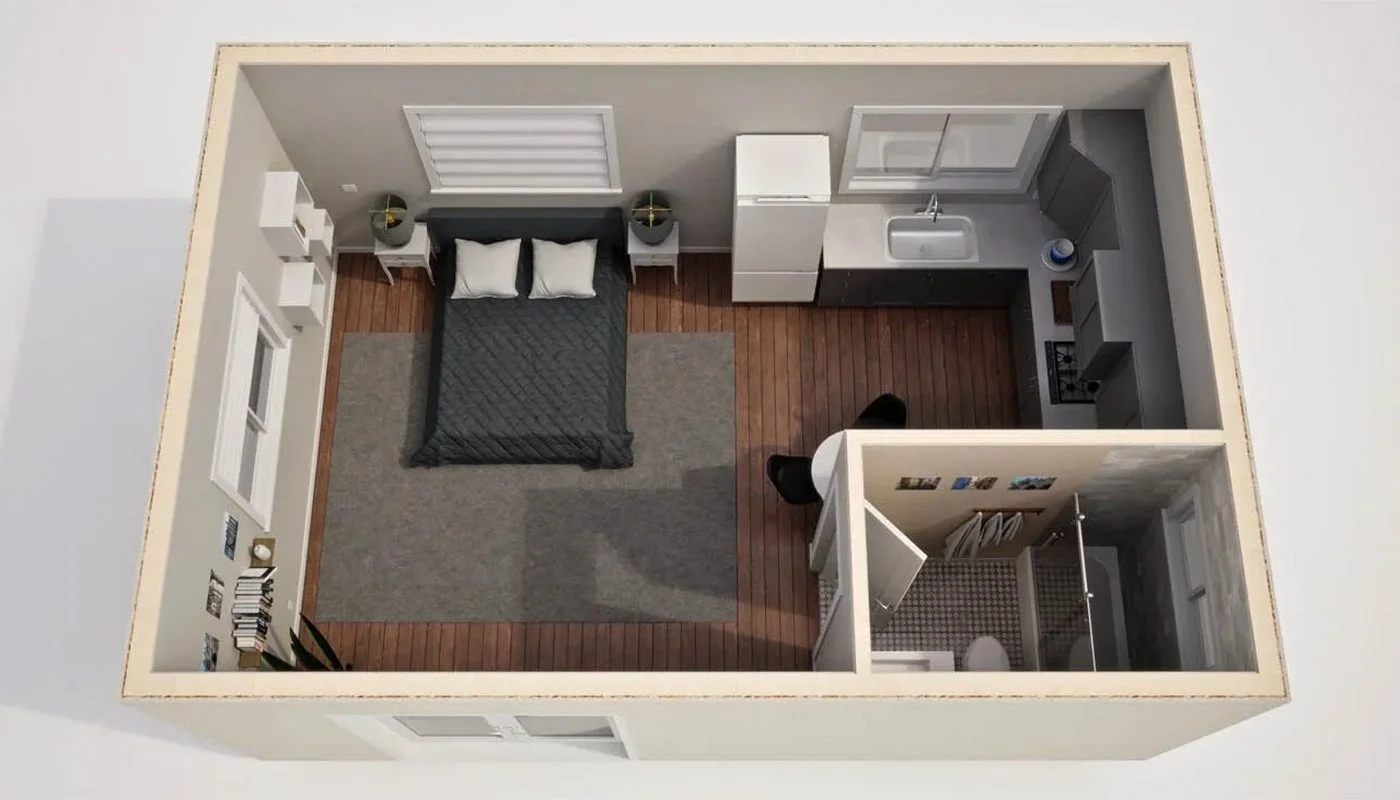
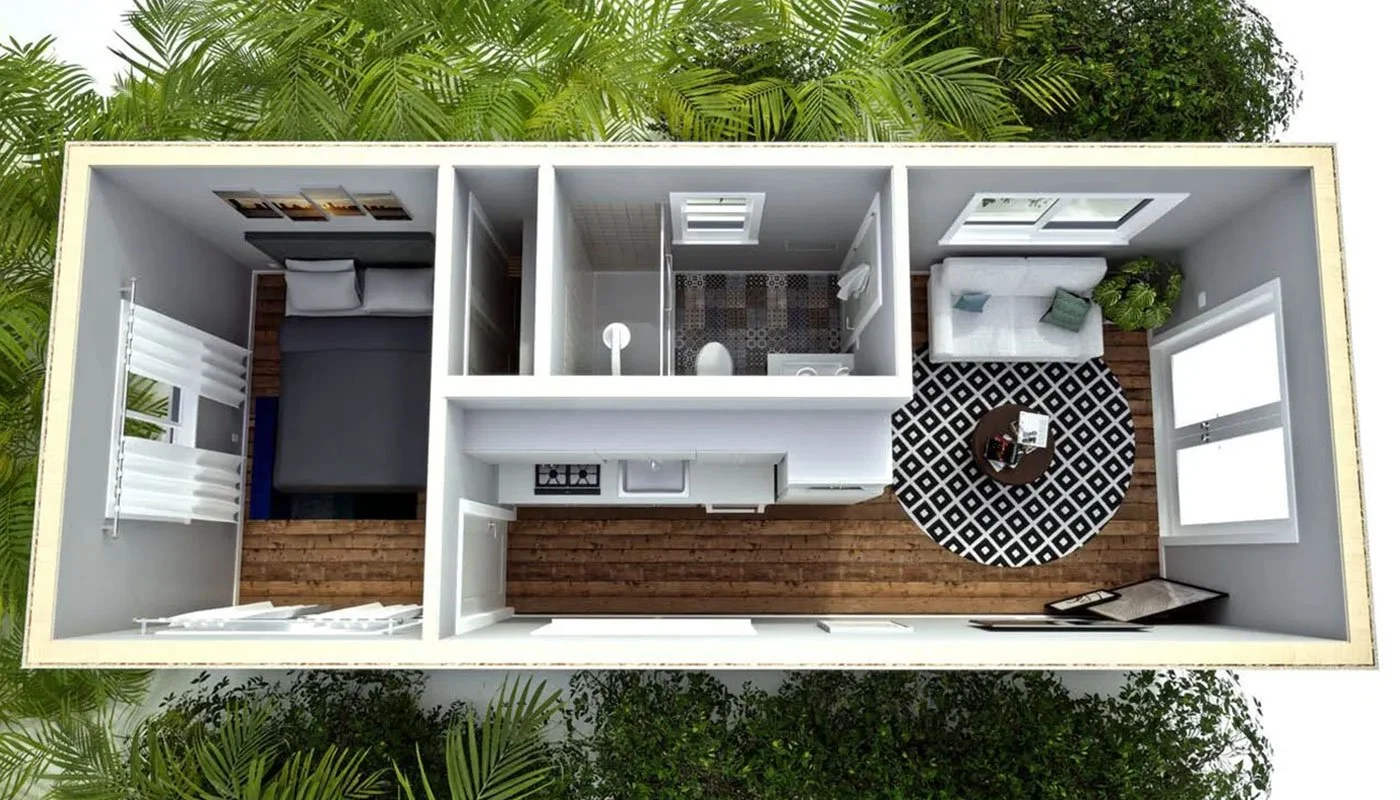
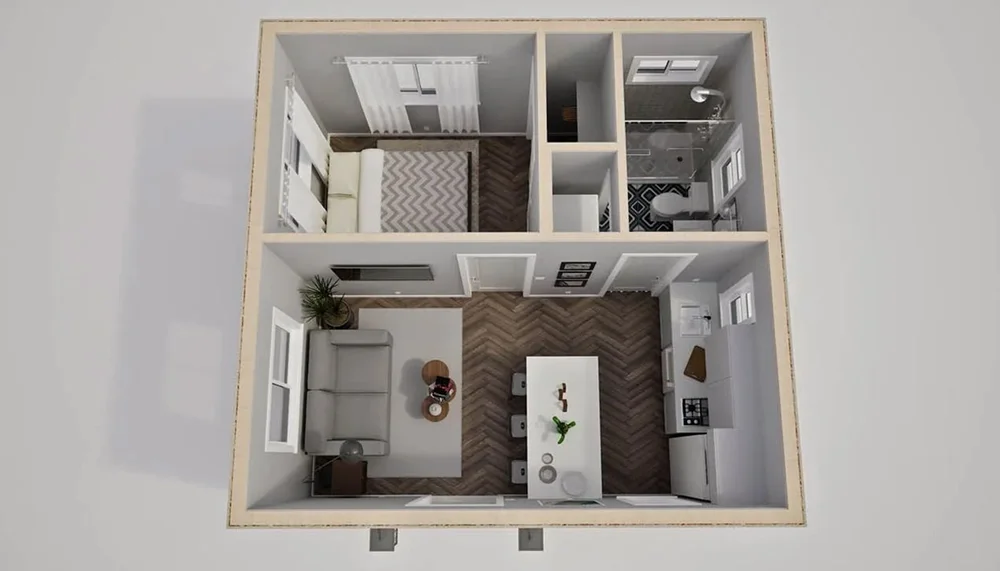
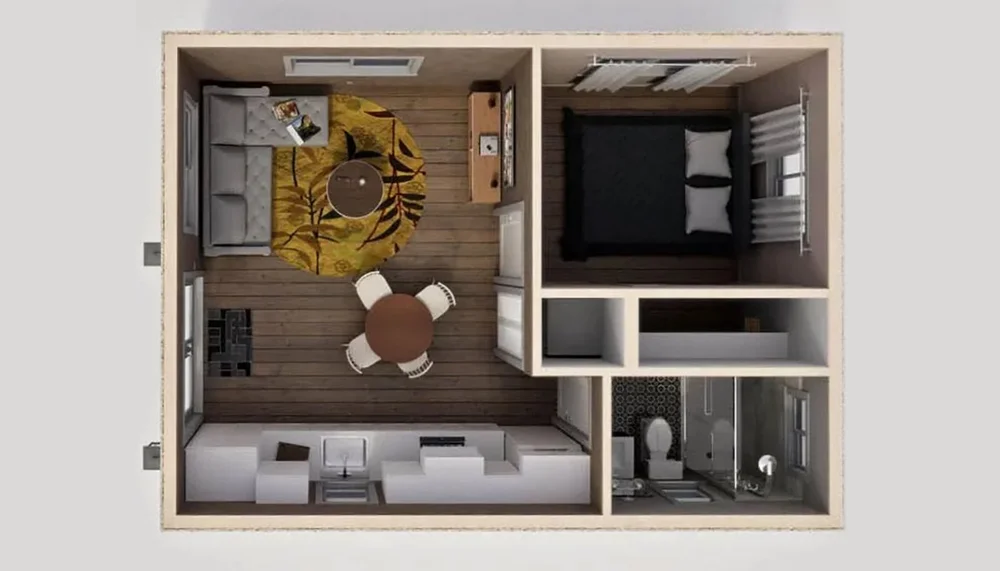
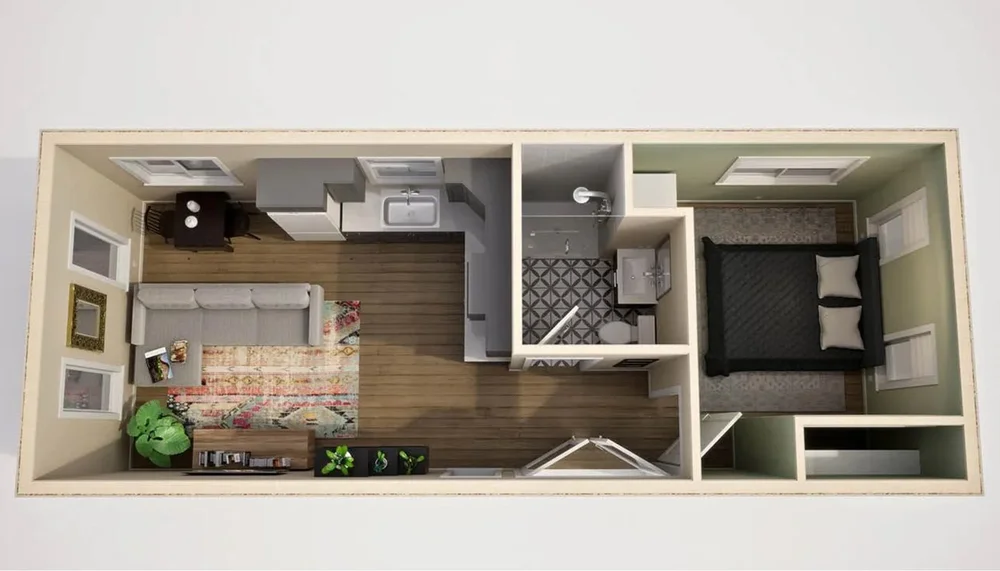
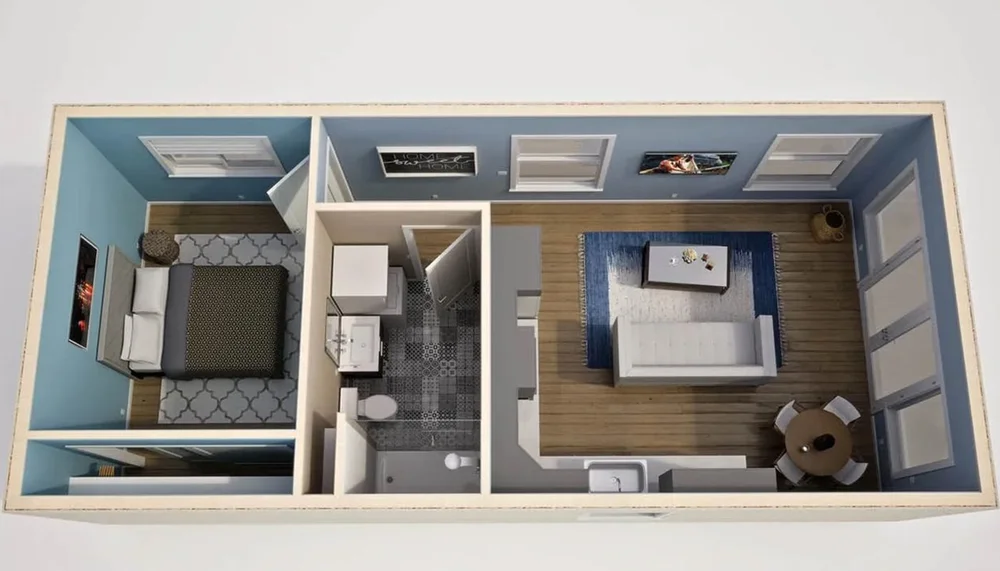
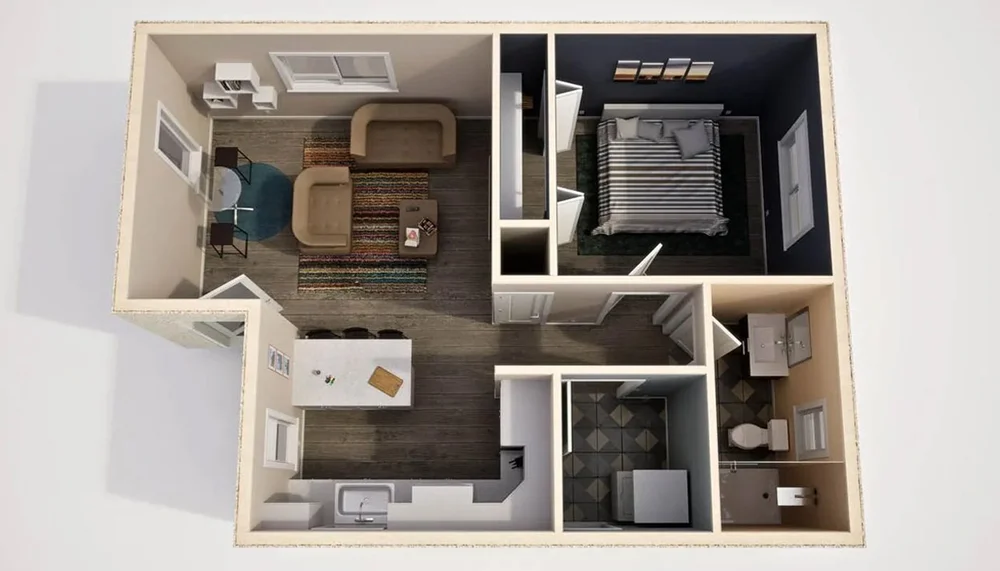
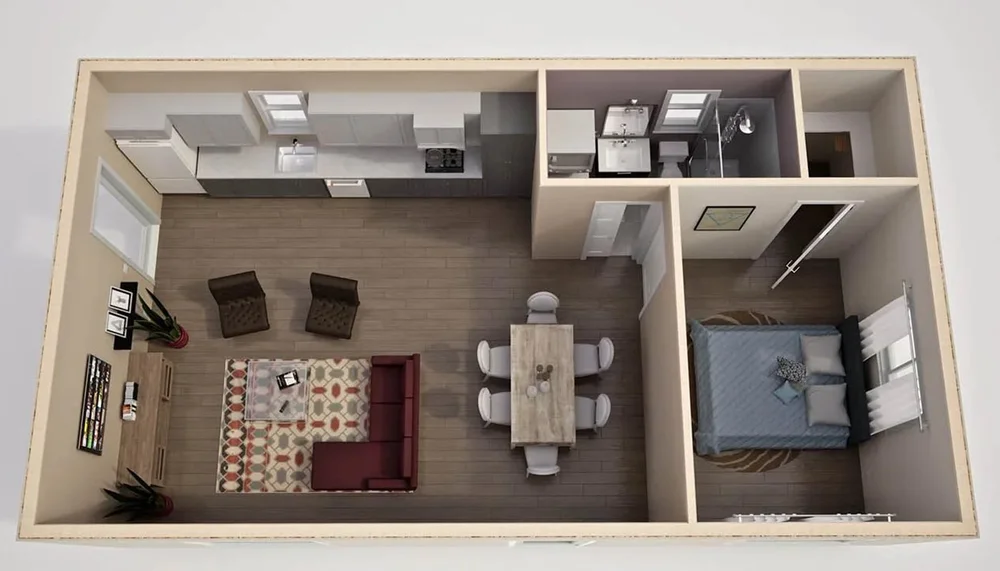
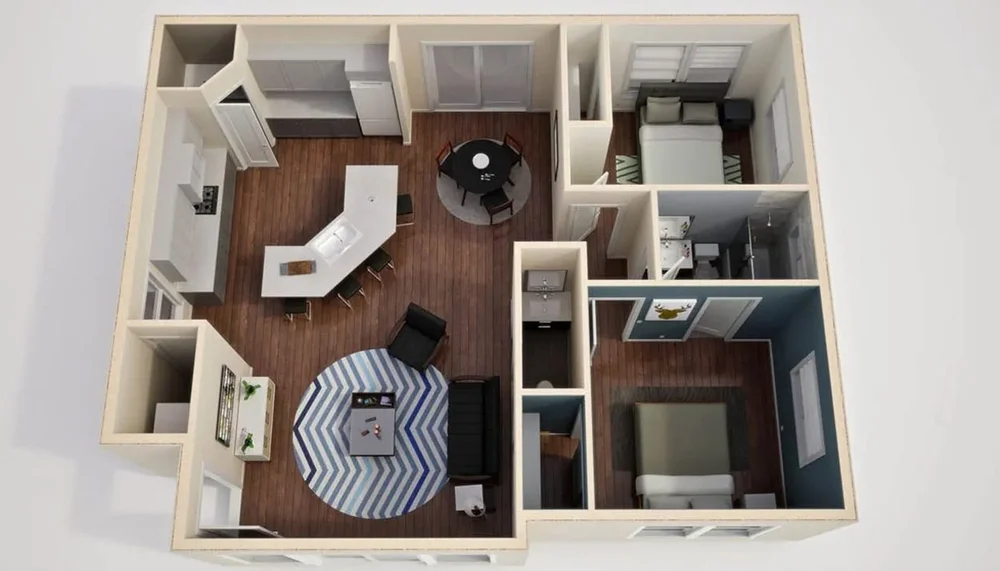
Layout and sleeping arrangements
- Make the sleeping area easy to access. Many guests are fine with a loft ladder, but older guests or families may need a main-floor bed.
- Use convertible furniture (such as a sofa bed or murphy bed) to increase capacity without crowding the space.
- Clearly state maximum occupancy in your listing based on comfort and safety.
If you are still designing or remodeling, the Tiny Home Floor Plans and Layout Ideas page has useful planning tips.
Storage and guest-friendly organization
Tiny homes can feel cluttered quickly. Help guests keep the space tidy by providing:
- Hooks, shelves, and cubbies near the entrance for bags, shoes, and beach gear.
- Closet or under-bed storage so guests can unpack instead of living out of a suitcase.
- Clearly labeled bins for extra linens, cleaning supplies, and trash/recycling.
For more ideas, see Tiny Home Interior Storage and Space-Saving Ideas.
Beach-friendly finishes and maintenance
Salt air, sand, and humidity in Daytona Beach are hard on surfaces and systems.
- Use moisture-resistant flooring and rust-resistant hardware where possible.
- Provide outdoor mats, a small broom, and a hose or foot rinse to keep sand outside.
- Schedule regular checks of seals, caulking, and exterior finishes.
For more on coastal durability, review Beach-Friendly Tiny Home Designs and Materials and Maintenance and Upkeep Costs for Tiny Homes.
4. Safety, Insurance, and Storm Planning
Short-term guests may not be familiar with tiny homes, so build in extra safety measures and clear instructions.
Safety basics for guests
- Install smoke and carbon monoxide detectors and test them regularly.
- Provide a fire extinguisher in an obvious location.
- Secure ladders, loft railings, and steps; add non-slip treads where needed.
- Include a printed house manual that explains how to use the stove, heater, AC, composting or RV-style toilet, and any off-grid systems.
Storms, flooding, and anchoring
Daytona Beach is vulnerable to hurricanes and heavy rain. As a host, you should have a written plan for:
- When to stop accepting bookings ahead of an approaching storm.
- Where guests should shelter if evacuation orders are issued.
- How your tiny home is anchored or secured and what to do with loose outdoor items.
For more, see Tiny Home Safety: Storms, Flooding, and Anchoring.
Insurance and liability
Standard homeowner or RV insurance may not automatically cover short-term rentals. Review:
- Whether your policy allows paying guests.
- Host or commercial coverage options offered by your platform or insurer.
- Additional coverage you may want for wind, flood, and storm damage.
Get oriented with Tiny Home Insurance and Warranties Explained, then confirm details with a licensed insurance professional.
5. Pricing, Costs, and Profit Potential
Your income depends on both nightly rate and occupancy. Beach events like Daytona 500, Bike Week, and summer weekends can bring higher rates, while off-season weekdays may be slower.
Main costs to factor in
- Platform fees and payment processing.
- Cleaning (your time or a paid cleaner).
- Utilities, internet, and streaming services.
- Maintenance and replacement of linens, towels, and small appliances.
- Property taxes, insurance, and any local lodging or tourist taxes.
Estimate your true nightly profit by subtracting average costs per booking from your expected nightly rate. The Tiny Home Prices and Cost Breakdown page can help you understand your baseline ownership costs before adding rental expenses.
6. Creating a Guest-Friendly Experience
Good reviews are critical. Small touches matter even more in a tiny home.
Amenities guests appreciate in Daytona Beach
- Strong air conditioning and ceiling or box fans.
- Reliable Wi-Fi and a simple TV setup.
- A compact but well-equipped kitchenette (coffee maker, basic cookware, microwave or cooktop).
- Beach gear like towels, a small cooler, and beach chairs if you can store them neatly.
- Clear parking instructions and good exterior lighting for late arrivals.
House rules and expectations
To protect your tiny home and keep neighbors happy, spell out:
- Maximum guests and quiet hours.
- Rules for pets and where they can go. For design ideas that work with animals, see Pet-Friendly Tiny Living: Designing for Dogs and Cats.
- Smoking and vaping policies.
- Use of shared spaces if your tiny home is on the same lot as your main home.
7. Thinking Ahead: Exit Strategies and Resale
Your plans might change. You may move, stop hosting, or decide to sell your tiny home later. Consider:
- Whether design choices made for hosting (extra beds, lock-offs, reinforced finishes) also make the home appealing to buyers.
- If the location will still be desirable if local short-term rental rules tighten.
- How rental income and wear-and-tear may affect resale value.
The Resale Value and Exit Strategies for Tiny Home Owners guide offers more ways to plan ahead.
FAQs About Renting Out a Tiny Home Near Daytona Beach
Do I need to live on the same property as my tiny home rental?
Not always. Some hosts live on-site and treat the tiny home as a backyard guest suite; others place tiny homes in communities or on separate parcels. What is allowed will depend on zoning, HOA or park rules, and how the property is permitted.
Is a tiny home too small for families on vacation?
Many families enjoy the novelty of a tiny home, but they need clear expectations. Highlight the number and size of beds, any ladders or lofts, and how much indoor seating there is on rainy days. For more family-related considerations, see Families in Tiny Homes: What to Know Before You Buy.
What if I want to switch from renting to living in my tiny home full-time?
It’s common to use a tiny home as a rental first and then move in later, or the other way around. Make sure your layout, storage, and utilities can work for both guest stays and long-term living. If your needs change in retirement, see Retiring in a Tiny Home: Costs, Comfort, and Care and Accessible and Aging-in-Place Tiny Home Features.
Where can I learn more before I commit?
Browse the full Blog / Guides section for more resources on buying, financing, and setting up your tiny home in the Daytona Beach area. If you are still in the planning or shopping stage, the Tiny Homes for Sale Daytona Beach Buyer’s Guide is a helpful place to start.