Tiny homes around Daytona Beach face unique risks: hurricanes, salt air, high humidity, and in some cases, frequent towing. Insurance and warranties help protect your tiny home investment and your budget when the unexpected happens. This guide explains how coverage typically works for tiny homes in Florida, what to expect from builder warranties, and how to avoid common gaps before you buy.
Why Insurance and Warranties Matter for Tiny Homes
A tiny home may cost less than a traditional house, but damage and repairs can still be expensive. One serious storm, roadside accident, or water leak can wipe out a big chunk of your savings.
Insurance is about financial protection if something goes wrong. Warranties are about quality and workmanship right after you buy. Both are especially important in coastal areas like Daytona Beach, where weather and moisture are everyday concerns.
Types of Tiny Home Insurance Coverage
The type of policy you need usually depends on how your tiny home is built and how you use it.
1. Tiny Houses on Wheels (THOWs)
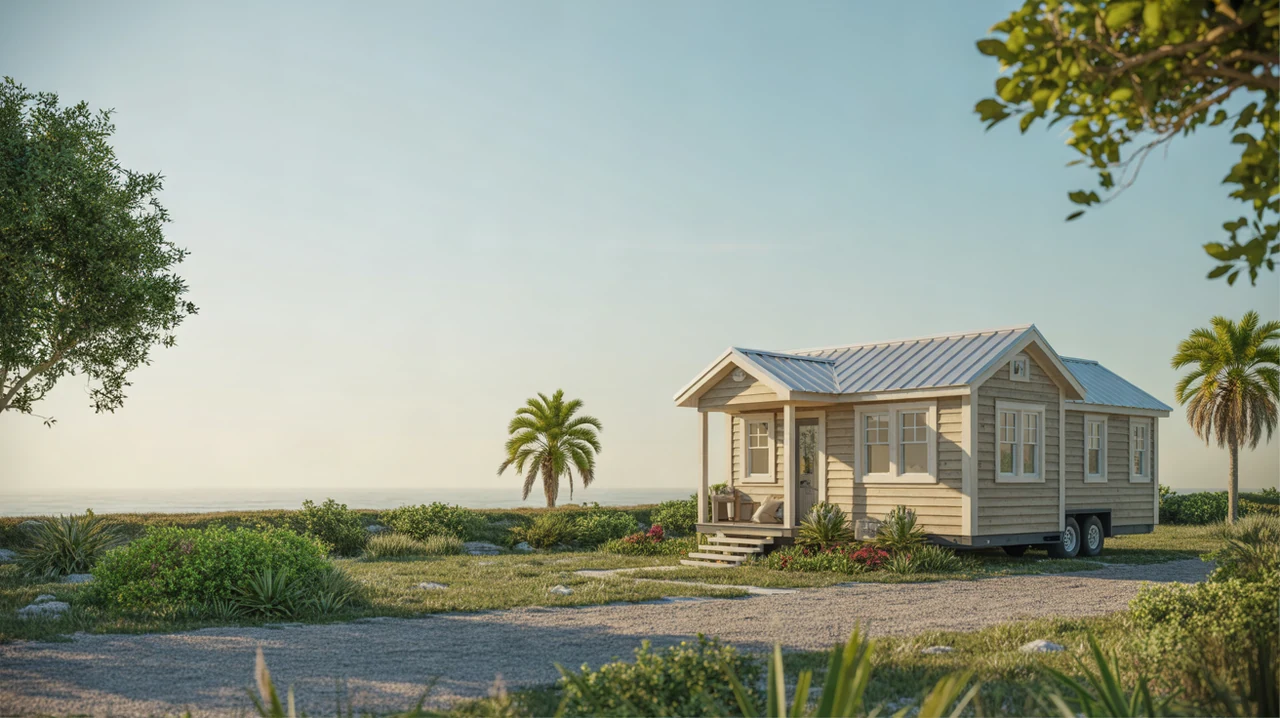
Wheeled tiny homes blur the line between RV and house. Insurers may treat them in different ways:
- RV insurance: If your tiny home is RVIA-certified or titled as an RV, some companies will insure it like a recreational vehicle. This can cover road accidents, liability while parked, and personal property inside.
- Mobile or manufactured home policy: If it’s parked semi-permanently, some insurers may write a policy similar to a manufactured home policy, especially when it is skirted, anchored, and connected to utilities.
- Specialty tiny home policy: A few carriers and brokers now offer policies written specifically for tiny homes on wheels.
Because Daytona Beach is in a hurricane-prone area, confirm that any policy you consider addresses windstorm and flood risks and not just collision while towing.
2. Tiny Homes on Foundations
If your tiny home is on a permanent foundation and meets local building codes and zoning rules, you may be able to get a more traditional homeowner-style policy. The exact type of policy will depend on:
- How your home is classified (single-family home, accessory dwelling unit, park model, etc.)
- Compliance with local rules (see Tiny Home Zoning, Permits, and Legal Basics)
- The insurer’s appetite for small and alternative structures
3. What Standard Tiny Home Policies May Cover
Coverage varies by insurer, but common protections include:
- Dwelling coverage: Repairs or rebuilding after covered events like fire, wind, theft, or vandalism, subject to limits and deductibles.
- Personal property: Your furniture, clothing, electronics, and belongings inside the tiny home.
- Liability: Injury or property damage to others that you’re legally responsible for.
- Loss of use: Extra living expenses if your tiny home is uninhabitable after a covered loss.
For Daytona Beach–area owners, ask specifically about hurricane wind coverage, named storm deductibles, and whether flood is excluded (often it is).
Key Coastal and Weather Risks Near Daytona Beach
Living near the Atlantic brings benefits and extra risks. When comparing policies, pay attention to how each one handles:
- Hurricanes and tropical storms: Some policies have separate, higher deductibles for named storms. Others may exclude windstorm damage unless you add an endorsement.
- Flooding and storm surge: Flood damage is usually not covered by standard home or RV policies. You may need a separate flood policy if your parking spot or lot is in a flood zone.
- Wind-blown debris and falling trees: Tiny homes, because of their size and lighter construction, can be more vulnerable to impact damage.
- Moisture and corrosion: Salt air and high humidity can shorten the life of materials. Gradual wear is typically considered maintenance, not an insurable “sudden and accidental” loss.
Pair this with good physical preparation. For more safety tips, see Tiny Home Safety: Storms, Flooding, and Anchoring and Beach-Friendly Tiny Home Designs and Materials.
What Tiny Home Warranties Usually Cover
Insurance covers accidents and external events. Warranties focus on how the home was built and how long materials and systems are expected to last.
1. Builder or Manufacturer Warranty
Many tiny home builders provide a limited warranty when you purchase a new unit. Terms vary widely but may include:
- Structural coverage: Frame, walls, roof, and sometimes subfloor for a set number of years.
- Workmanship: Errors in construction, poor installation, or defects caused by the builder.
- Systems: Short-term coverage for electrical, plumbing, or HVAC components they installed.
Coverage details often depend on whether you chose a custom-built vs pre-built tiny home, so review your contract carefully.
2. Appliance and Component Warranties
Many parts of a tiny home carry their own warranties, separate from the builder, such as:
- Roofing materials and windows
- Mini-split HVAC systems and water heaters
- Refrigerators, cooktops, and other appliances
- Solar panels and batteries (see Off-Grid and Solar-Ready Tiny Homes)
To keep these valid, you usually must follow installation and maintenance instructions and register your products when required.
3. Common Warranty Limitations
Most warranties have fine print. Typical exclusions include:
- Damage from misuse, neglect, or lack of maintenance
- Normal wear and tear or cosmetic issues
- Damage from unapproved modifications or DIY changes
- Weather-related damage that should be insured instead of warranted
Given Daytona Beach’s climate, clarify whether issues like water intrusion from wind-driven rain or rusting fasteners are considered defects or maintenance.
Insurance vs Warranty: How They Compare
| Topic | Insurance | Warranty |
|---|---|---|
| Main purpose | Protects your finances after covered losses | Ensures build quality and product reliability |
| Who provides it? | Insurance company or broker | Builder/manufacturer or component makers |
| Typical term | As long as you pay premiums | Fixed period (1–10+ years depending on item) |
| Covers weather damage? | Often, if caused by a covered peril | Usually no |
| Covers defects in construction? | Usually no | Often yes, within limits |
Steps to Insure a Tiny Home in the Daytona Beach Area
Because tiny homes don’t fit neatly into standard categories, expect to make a few extra calls and answer detailed questions.
-
Clarify how your home is classified.
Is it a THOW with an RV title, a park model, or a small dwelling on a permanent foundation? This affects what policies are available.
-
Gather build documentation.
Keep your bill of sale, build specs, photos, serial numbers, and any inspection or certification documents. Insurers often want proof of quality and value.
-
Document your parking or placement.
Insurers will ask where your tiny home lives: a tiny home community, RV park, backyard lot, or rural land. For ideas on legal and long-term options, see Best Tiny Home Communities and Parking Options.
-
Request quotes from multiple insurers.
Ask specifically whether they have experience with tiny homes in Florida and which parts of the structure and contents they cover.
-
Check hurricane, wind, and flood details.
Ask about: named storm deductibles, any windstorm exclusions, and separate flood insurance options if needed.
-
Review liability coverage.
If you plan to have guests regularly or rent out your tiny home as a short-term rental, you may need higher liability limits or a different policy type.
Protecting Your Investment Beyond Insurance
Coverage is only one part of risk management. Other steps that can help include:
- Anchoring and tie-downs suitable for coastal storms
- Elevating the home or choosing a site less prone to flooding
- Using corrosion-resistant fasteners and beach-ready materials
- Following a regular maintenance schedule (see Maintenance and Upkeep Costs for Tiny Homes)
- Keeping detailed maintenance and repair records to support any claim or warranty request
FAQs: Tiny Home Insurance and Warranties
Can I get standard homeowners insurance for a tiny home?
Sometimes. If your tiny home is on a permanent foundation, built to local code, and classified as a traditional residence, some insurers may offer a homeowner-style policy. Many THOWs instead require RV or specialty tiny home coverage.
Is insurance required for a tiny home in Florida?
Insurance isn’t always legally required, but your lender or park community may require it. Even if it isn’t mandatory, going without coverage is risky in a hurricane-prone region like Daytona Beach.
Are hurricanes and floods automatically covered?
No. Wind damage from hurricanes may be covered but often has special deductibles or limitations. Flood and storm surge are typically excluded and may require a separate flood policy.
Do warranties transfer if I buy a used tiny home?
Some builder and component warranties are transferable, while others are only for the original owner. Before buying used, ask for all warranty documents and confirm transfer rules. For more on the tradeoffs, see New vs Used Tiny Homes: Pros, Cons, and Pricing.
How do I know if damage is an insurance claim or a warranty issue?
Defects in construction or failing materials early in the home’s life may fall under a warranty. Sudden events like storms, fires, or theft are typically insurance matters. If you’re unsure, review both your policy and warranty and contact each provider.
To explore next steps in your tiny home journey around Daytona Beach, you can browse the Blog / Guides, compare Tiny Home Prices and Cost Breakdown, or learn more in the Tiny Homes for Sale Daytona Beach Buyer’s Guide.