Living in a tiny home near Daytona Beach means thinking seriously about hurricanes, tropical storms, heavy rain, and flooding. The good news: with the right design, anchoring, and habits, a tiny home can be made significantly more resilient to Florida’s coastal weather.
This page walks through practical steps for storms, flooding, and anchoring—whether you’re still shopping for a tiny home or already living in one.
Unique Weather Risks for Tiny Homes in Daytona Beach
Tiny homes around Daytona Beach face the same hazards as full-sized houses, but their lighter weight and smaller footprint change how those forces act on the structure.
- High winds and hurricanes: Strong gusts can push, lift, or rack a tiny home that isn’t properly tied down.
- Storm surge and coastal flooding: Low-lying areas, canals, and river-adjacent lots can flood quickly.
- Heavy rainfall: Intense downpours can overwhelm drainage and saturate soils under your foundation.
- Flying debris: Nearby trees, sheds, and unsecured items can become projectiles.
Addressing these risks starts with where you place the home, how it’s built, and how it’s anchored. For more placement options and community locations, you can also review Best Tiny Home Communities and Parking Options.
Anchoring and Tie-Down Systems
Anchoring is one of the most important safety factors for a tiny home in storm-prone areas. A strong anchor system helps prevent sliding, overturning, or uplifting during high winds.
Anchoring Tiny Houses on Wheels (THOWs)
If your tiny home is built on a trailer and parked semi-permanently, treat it like a manufactured home when it comes to anchoring.
- Ground anchors: Helical (screw-in) or driven anchors connect to steel straps that wrap around or attach to the trailer frame—never just the skirting.
- Tie-down pattern: Straps are typically installed in pairs, angled from multiple directions to resist uplift and lateral movement.
- Wheel chocks and stabilizers: Use heavy-duty chocks and adjustable stabilizer jacks to reduce rocking and stress on the frame.
- Brake and hitch safety: Keep the parking brake engaged and consider a lockable coupler or removable tongue for added security when parked long-term.
Building codes and engineering requirements vary by jurisdiction. When you choose a builder, ask how their designs can be anchored to meet or exceed local wind-load recommendations. For guidance on vetting builders, see How to Choose a Reputable Tiny Home Builder.
Anchoring Tiny Homes on Foundations
Tiny homes on foundations (piers, slabs, or stem walls) can be engineered much like conventional homes, but scaled down.
- Continuous tie-down path: Roof, walls, and foundation should be connected with straps, anchor bolts, or hold-downs to create a continuous load path.
- Engineered foundations: In wind-prone and flood-prone zones, a structural engineer or qualified designer should specify footing depth, pier spacing, and reinforcement.
- Raised, flood-aware design: In potential flood areas, the home may need to be elevated on piers or columns with breakaway skirting.
To compare a trailer-based build versus a permanent foundation, review Tiny Houses on Wheels vs Foundation.
Storm-Resistant Design Features
The design of your tiny home can do a lot of the safety work before you ever look at sandbags or shutters.
Structure and Roof
- Strong framing: Look for advanced framing techniques, hurricane clips, and structural sheathing that ties walls and roof together.
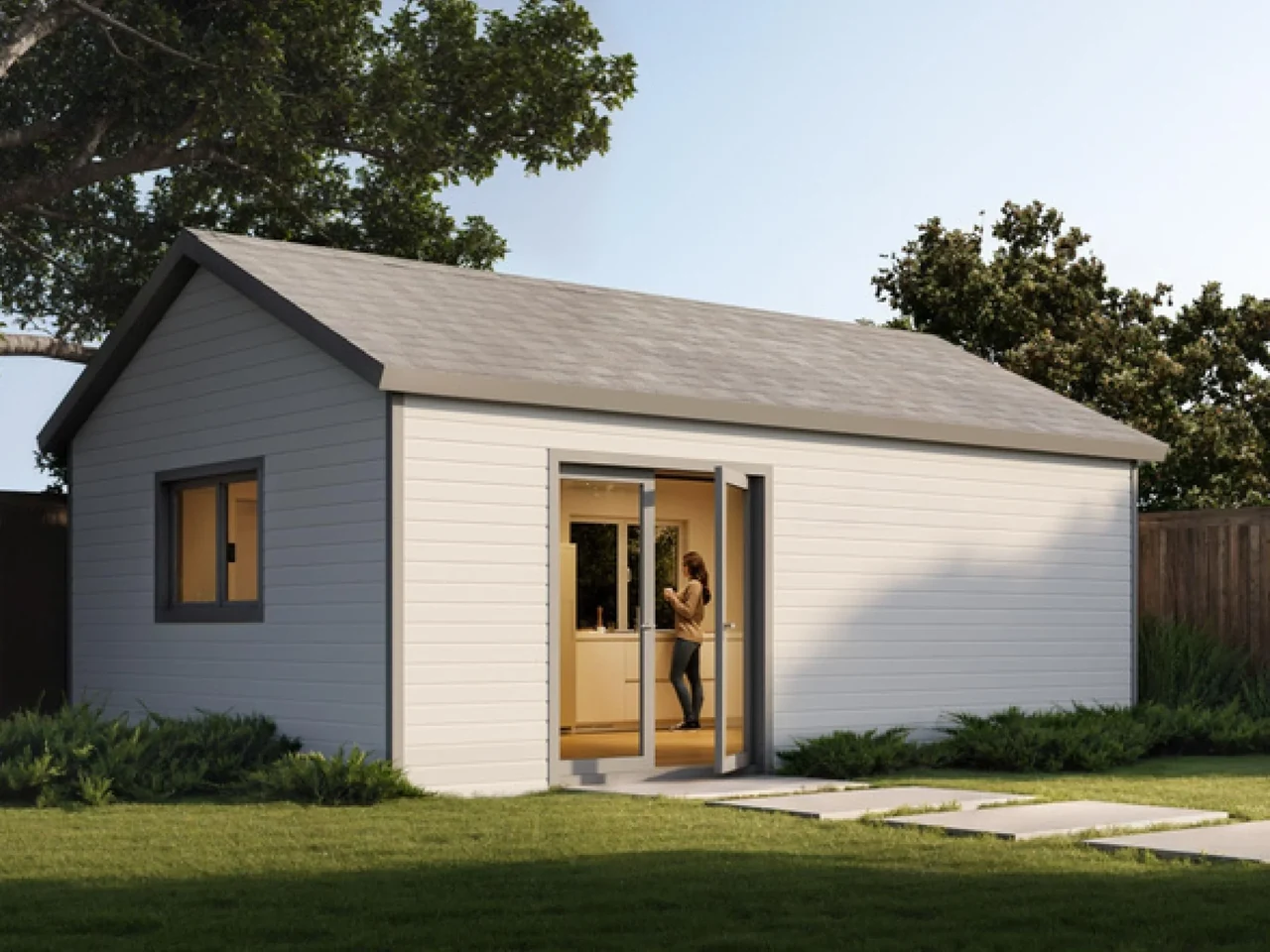
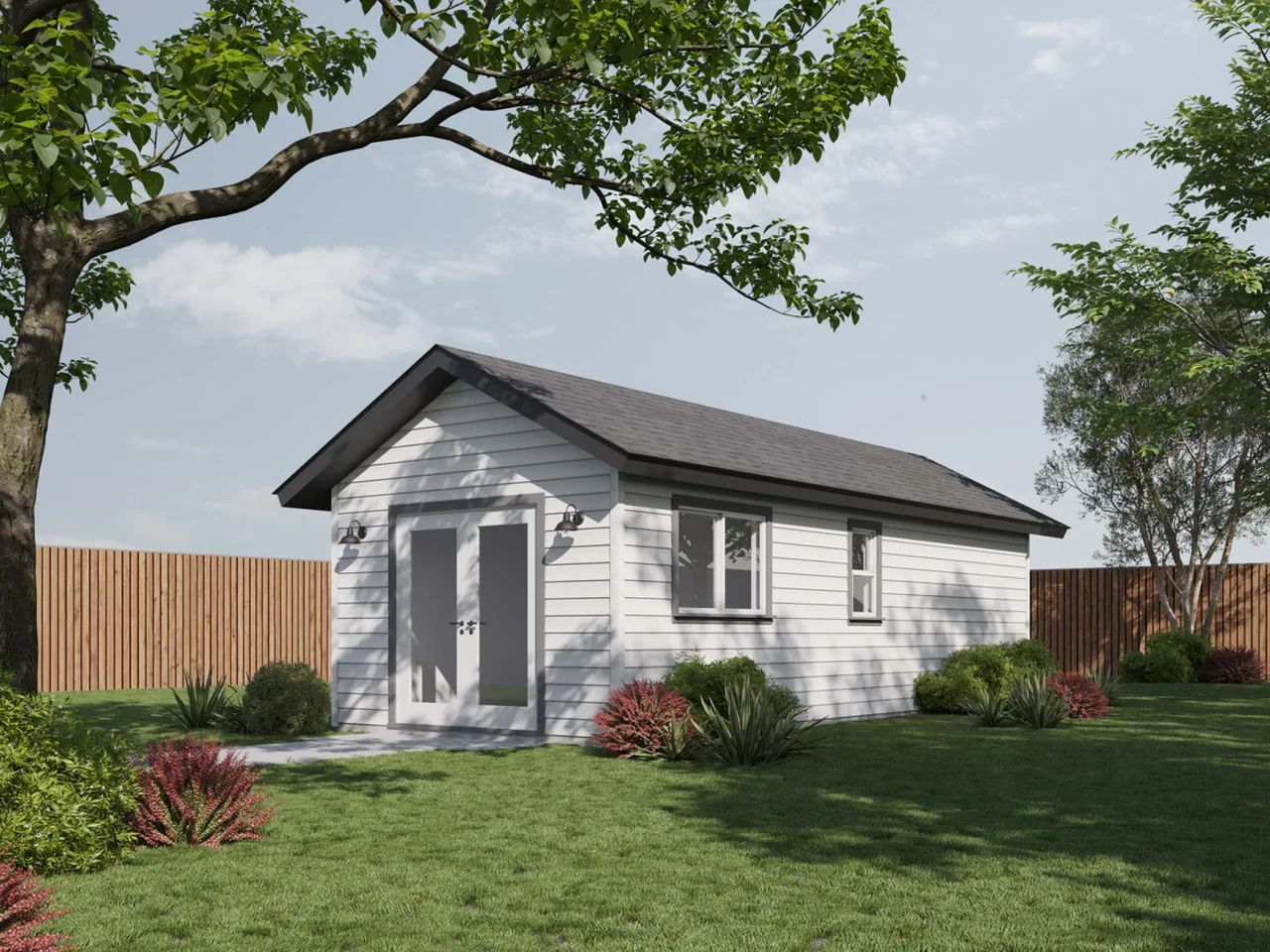
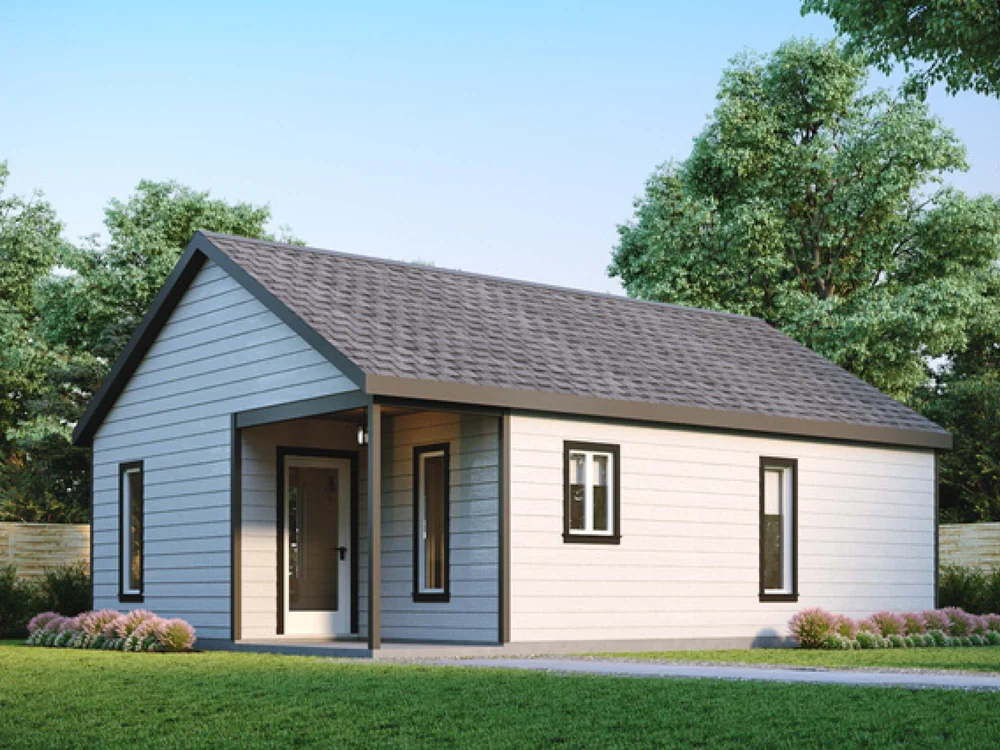
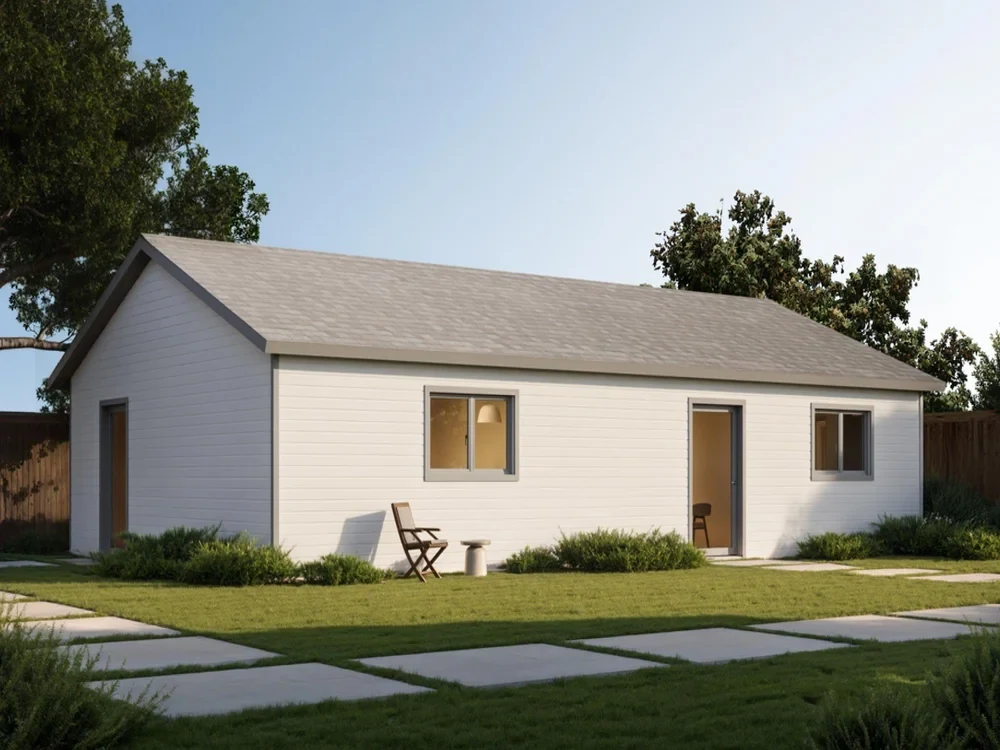
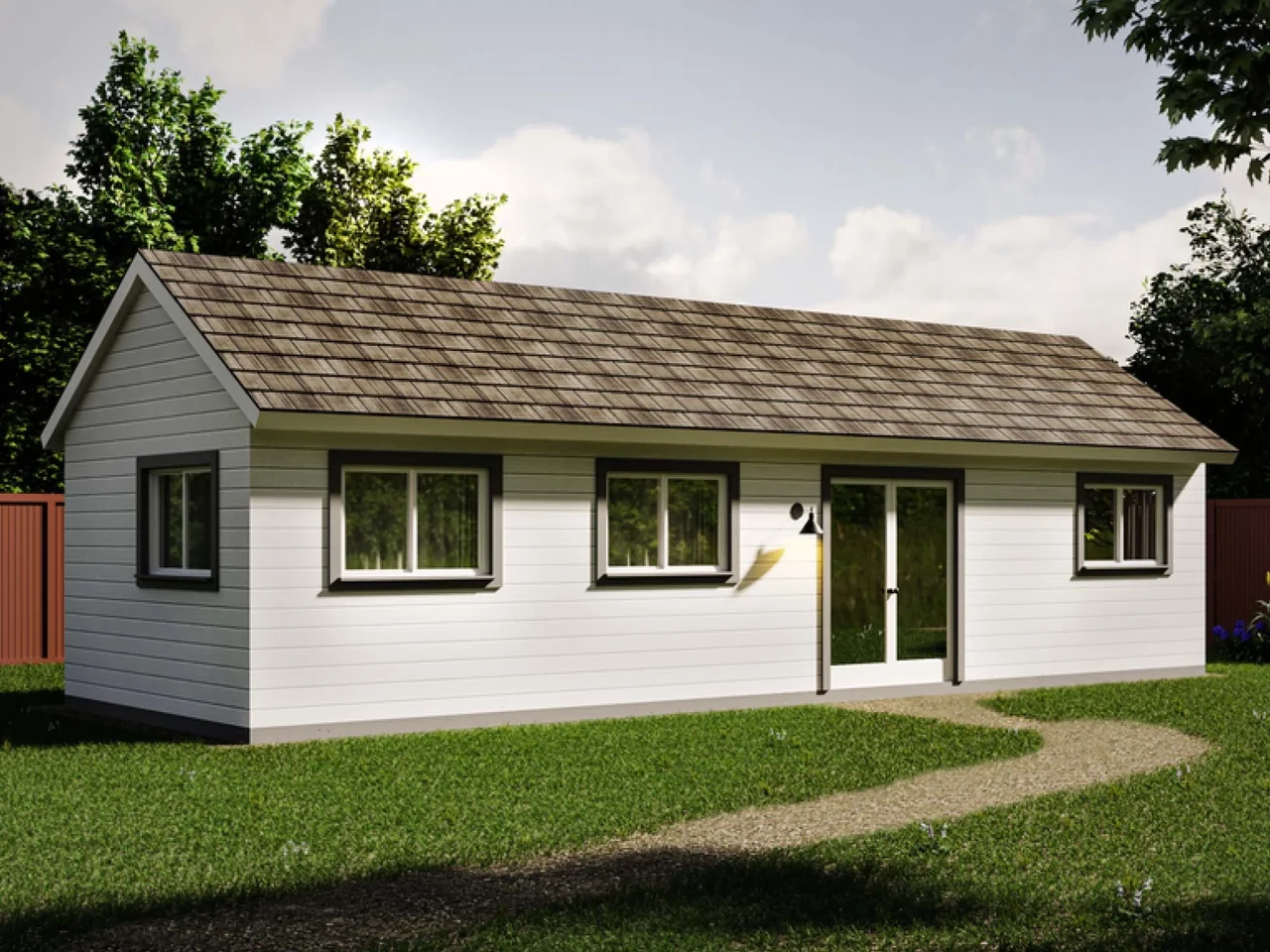
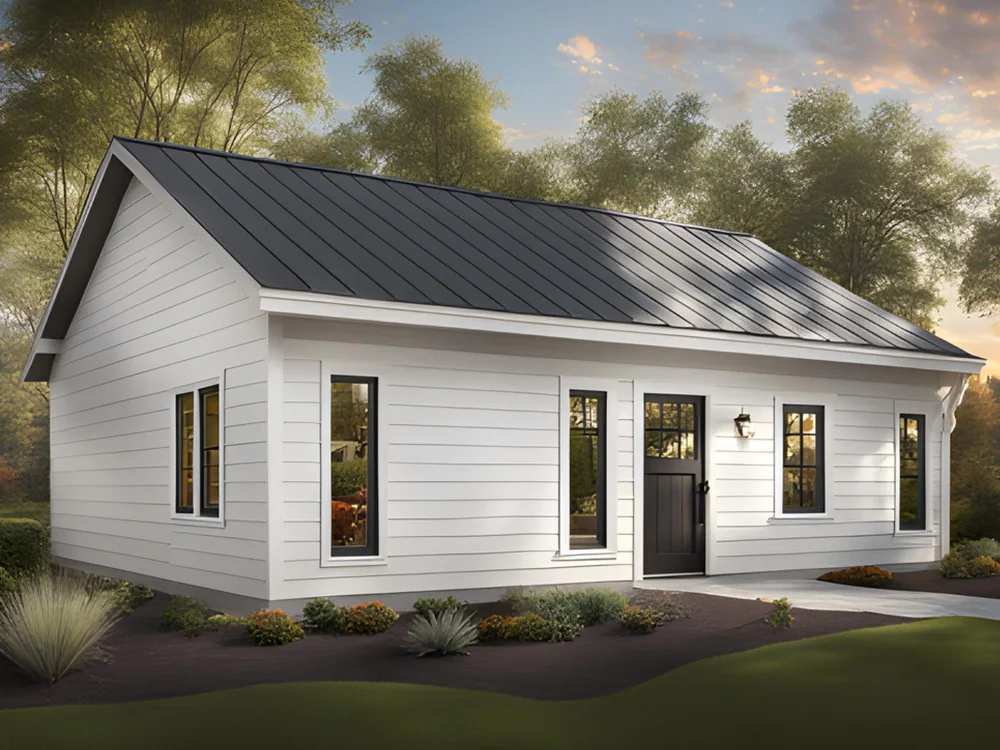
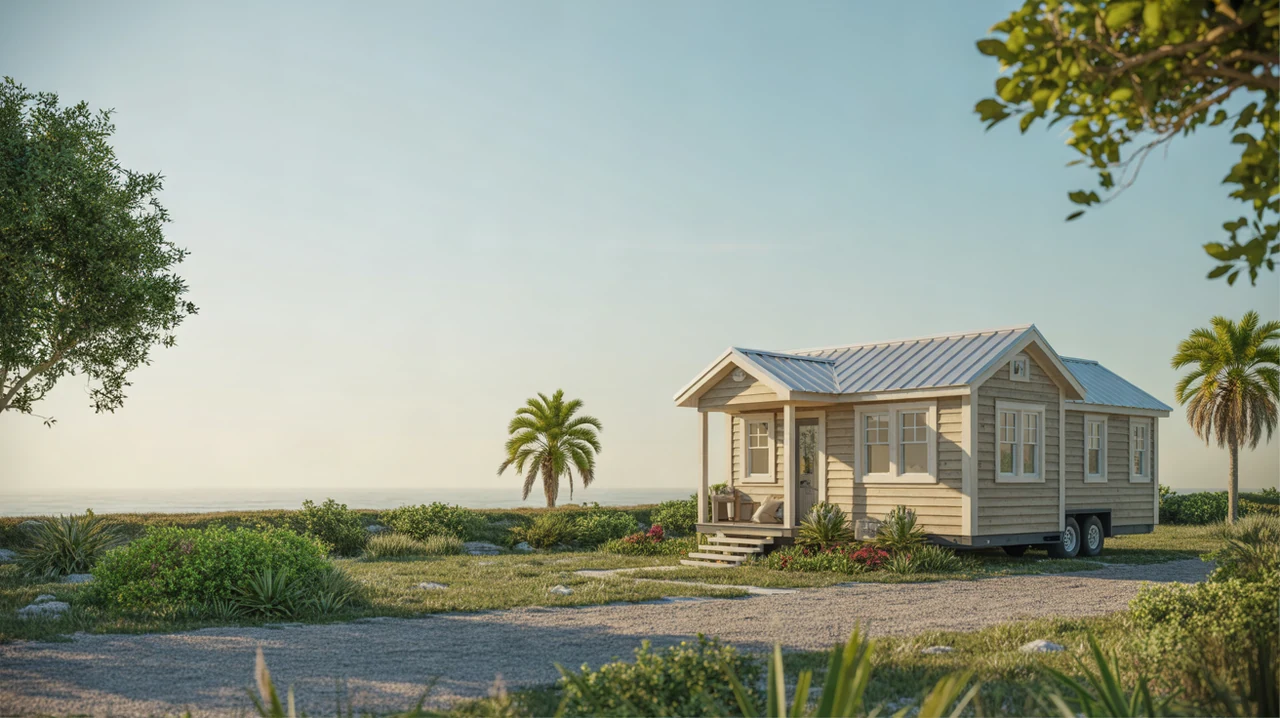
- Low, simple roof shapes: A simple gable or shed roof with a modest pitch tends to perform better than tall, complex rooflines in high winds.
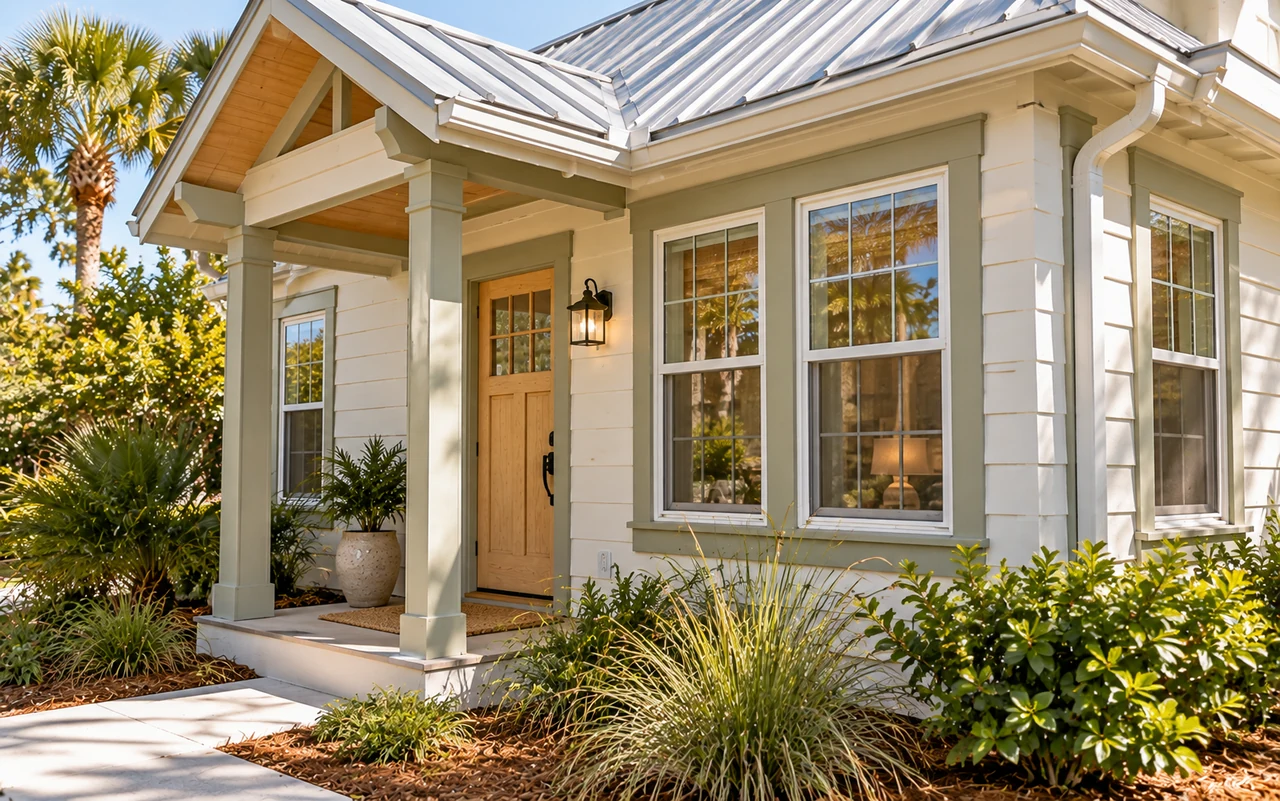
- Metal roofing with proper fastening: Fasteners should be sized and spaced for high-wind zones, with sealed seams to reduce water intrusion.
Windows, Doors, and Openings
- Impact-rated windows and doors: These help protect the home from flying debris during a storm.
- Storm shutters or panels: If impact glass is not an option, pre-cut panels or rated shutters can be installed quickly when a storm approaches.
- Well-sealed penetrations: Vents, exhausts, and utility penetrations should be flashed and sealed to keep out wind-driven rain.
Exterior Materials
Because Daytona Beach is a coastal environment, choose materials that handle both moisture and wind. For specific siding, roofing, and trim ideas suited to beach conditions, see Beach-Friendly Tiny Home Designs and Materials.
Managing Flood Risk Around Daytona Beach
Even if you are not directly on the beach, rivers, canals, and poor drainage can expose your lot to flooding. Before placing a tiny home, investigate the site’s flood history and official flood maps.
Site Selection and Elevation
- Check flood zones: Review FEMA flood maps and local zoning information before signing a lease or purchase agreement.
- Aim for higher ground: When possible, select a pad or lot that is naturally higher than surrounding areas.
- Elevate utilities: Place electrical panels, outlets, and HVAC equipment above expected flood levels when feasible.
Drainage and Water Management
- Grading around the home: Soil near the foundation or trailer should slope away so water doesn’t pool under the structure.
- Gutters and downspouts: Direct roof runoff away from the home via splash blocks or drain pipes.
- Permeable surfaces: Gravel pads, permeable pavers, and landscaping that absorbs water can reduce standing water after storms.
Preparing Your Tiny Home for a Storm
Planning ahead is key. A small space makes it easier to secure items, but it also fills up quickly and can feel more intense in a storm. Build a simple, repeatable checklist that fits your setup.
Before Hurricane Season
- Review your insurance coverage and understand what storm and flood damage is (and isn’t) covered; see Tiny Home Insurance and Warranties Explained.
- Confirm your anchor points, straps, and hardware are in good condition and correctly tensioned.
- Create a “go bag” with essential documents, medications, and basics in case you need to evacuate.
When a Storm or Hurricane is Forecast
- Secure the exterior: Tie down or store outdoor furniture, grills, planters, and tools.
- Protect openings: Install storm panels or close shutters; lock windows and doors.
- Check tie-downs: Inspect straps, anchors, and chocks; re-tension if necessary.
- Decide whether to stay or leave: Follow local evacuation guidance. Some owners of tiny houses on wheels choose to tow the home inland, but this should be done well before conditions worsen.
After the Storm
- Do not re-enter if there is standing water, downed power lines, or obvious structural damage.
- Check for roof leaks, cracked windows, and water intrusion under flooring.
- Document damage with photos and notes for potential insurance claims.
Safety Considerations Inside the Tiny Home
Interior safety is just as important as exterior anchoring, especially in strong winds when the home may shake or rattle.
- Secure tall furniture: Anchor shelving, wardrobes, and cabinets to the wall framing.
- Ladder and loft safety: Ensure ladders and loft railings are solid and non-slip to prevent falls during jolts or power outages.
- Smoke, CO, and gas detection: Install and regularly test alarms; keep a fire extinguisher that is easy to reach.
- Emergency lighting: Battery-powered lanterns or flashlights are essential in a compact space if power is lost.
If you are planning for aging in place or accessibility, extra railings, step lighting, and grab bars can also improve safety during storms and evacuations. See Accessible and Aging-in-Place Tiny Home Features for more ideas.
Ongoing Maintenance for Weather Safety
Storm safety is not a one-time project. Regular maintenance keeps your tiny home ready for the next season.
- Inspect roof sealants, caulking, and flashing at least once or twice a year.
- Check trailer rust, tire condition, and frame integrity for tiny houses on wheels.
- Look for settlement or erosion around foundations or pads after heavy rains.
- Trim nearby trees and remove dead branches that could fall in a storm.
For a broader look at upkeep tasks and costs, you can visit Maintenance and Upkeep Costs for Tiny Homes.
Frequently Asked Questions About Tiny Home Storm and Flood Safety
Are tiny homes safe in hurricanes?
Tiny homes can be made safer through proper anchoring, storm-resistant design, site selection, and following evacuation guidance. However, like any light structure in a high-wind area, there are limits. Evacuating during major hurricanes—especially in flood-prone zones—is often the safest choice.
Is it better to move my tiny house on wheels before a big storm?
Some owners choose to tow their home to a safer, inland location ahead of a storm. This requires plenty of lead time, a capable tow vehicle, and a secure destination. If moving the home is not realistic, strong anchoring and evacuation to a safer building may be the better plan.
Do I need special insurance for storms and flooding?
Coverage varies by insurer and by whether your tiny home is on wheels or on a foundation. Wind and hurricane coverage may have separate deductibles, and flood damage often requires a distinct flood policy. Review details with a knowledgeable agent; you can learn more basics at Tiny Home Insurance and Warranties Explained.
What if my tiny home is in a community?
If you live in a tiny home community or RV park, ask management about their storm and flood plan, anchor standards, and evacuation procedures. Then layer your personal checklist on top of their site-wide guidelines.
Where can I learn more before buying?
For a bigger-picture overview of buying, placing, and protecting a tiny home around Daytona Beach, explore the Tiny Homes for Sale Daytona Beach Buyer’s Guide and other articles in our Blog / Guides.